
For many pet parents, the ultimate goal of housebreaking a dog is to have them reliably eliminate outdoors. This not only contributes to a cleaner home environment but also enhances convenience. However, some owners find themselves struggling to transition their canine companions to outdoor potty habits. If you’re facing this challenge, understanding the common reasons behind a dog’s reluctance to poop outside is the first step toward a successful training journey.
5 Common Reasons Why a Dog Refuses to Poop Outside
Several factors can contribute to a dog’s aversion to outdoor defecation. Recognizing these underlying causes is crucial for implementing effective training strategies.
1. Anxiety and Fear
While a natural bodily function, defecating outdoors can be a source of stress for some dogs. Those who are prone to anxiety or are particularly sensitive to environmental stimuli may become fearful of loud noises from traffic, other animals, or people. This can create a negative association with outdoor potty breaks.
2. Lack of Positive Association
Effective dog training relies on positive reinforcement. If the initial house training wasn’t conducted using these methods, or if the dog has had negative experiences outdoors (like being startled), they may lack the motivation to eliminate outside. This can create a significant hurdle in the potty training process.
3. Unfamiliarity with Outdoor Surfaces
For dogs, especially smaller breeds, who were primarily trained on puppy pads or spent their early lives indoors, the transition to outdoor elimination can be challenging. They may find outdoor surfaces, smells, and distractions unfamiliar and even unsettling. Moreover, adverse weather conditions such as extreme heat, cold, storms, or strong winds can further deter them. Consequently, they may perceive the indoors as a safe and comfortable “bathroom.” Learn more about the differences between potty pad and outdoor training.
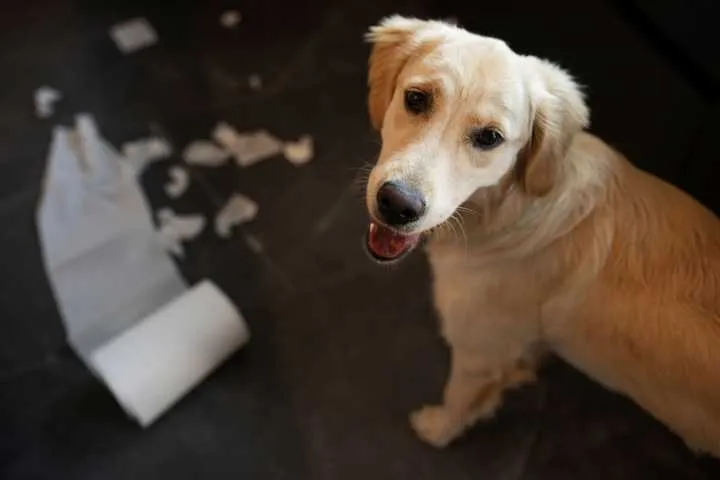
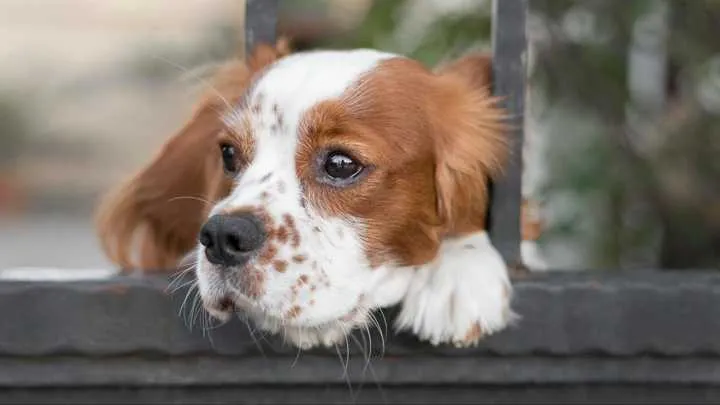 A dog looking hesitant to go outside.
4. Underlying Health Issues
Health problems, particularly in older dogs, can significantly impact housetraining. Cognitive decline may cause them to forget previously learned behaviors, including waiting for outdoor potty breaks. Other medical conditions such as arthritis, constipation, diarrhea, or any abdominal pain can make defecation uncomfortable or frightening for a dog.
5. Distractions and Overstimulation
The outdoor environment can be overstimulating for some dogs. Different sights and sounds can easily distract them, leading them to explore or sniff around the potty spot instead of using it. These distractions can impair their ability to focus on their bodily needs.
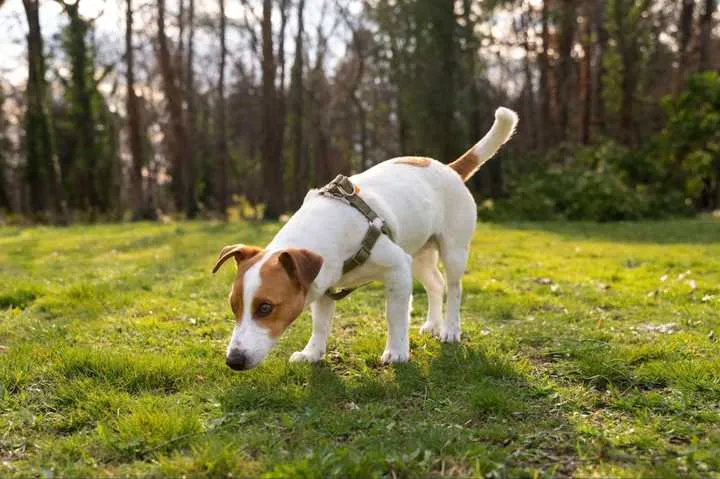 A dog looking distracted while outdoors.
How to Get Your Dog to Poop Outside: 7 Practical Tips
Successfully encouraging your dog to poop outdoors requires patience, consistency, and a strategic approach.
1. Consider Their Feeding Schedule
Dogs typically need to defecate about 30 minutes after a meal. By understanding your dog’s feeding routine, you can anticipate when they’ll need to go and schedule outdoor potty breaks accordingly. Remember that puppies require more frequent feedings and thus more frequent potty breaks than adult dogs. Discover how to get your dog to use the bathroom outside consistently.
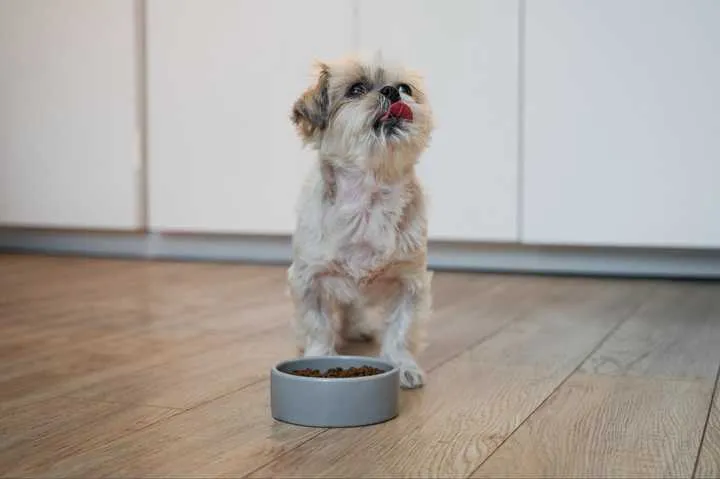 A dog being fed from a bowl.
2. Establish a Routine
Consistency is paramount in potty training. A predictable schedule for feeding and outdoor potty breaks helps your dog understand expectations. Knowing when they can expect outdoor time reduces accidents indoors. Find out how to potty train a 7-month-old puppy effectively.
3. Recognize Elimination Signals
While a routine helps, always be attentive to your dog’s specific cues that indicate they need to go. These can include squatting, restlessness, circling, whining, barking, or heading towards the door. Promptly taking them outside when you observe these signs can prevent accidents.
4. Utilize Rewards and Positive Reinforcement
When your dog successfully eliminates outdoors, offer immediate praise and a high-value treat. This positive reinforcement creates a strong association between outdoor potty breaks and rewards. Ensure the reward is given right after they finish to maximize its impact.
Expert Tip: If the treat is too exciting, it might distract your dog. Consider using a less stimulating treat to keep their focus on the task at hand.
Karen Piwinski
5. Introduce Crate Training
Crate training leverages a dog’s natural instinct to keep their den clean. A properly sized crate encourages dogs to hold their bladder and bowels while inside. This can help you better manage their potty schedule, increasing opportunities for outdoor elimination. Explore training puppy pads versus outside.
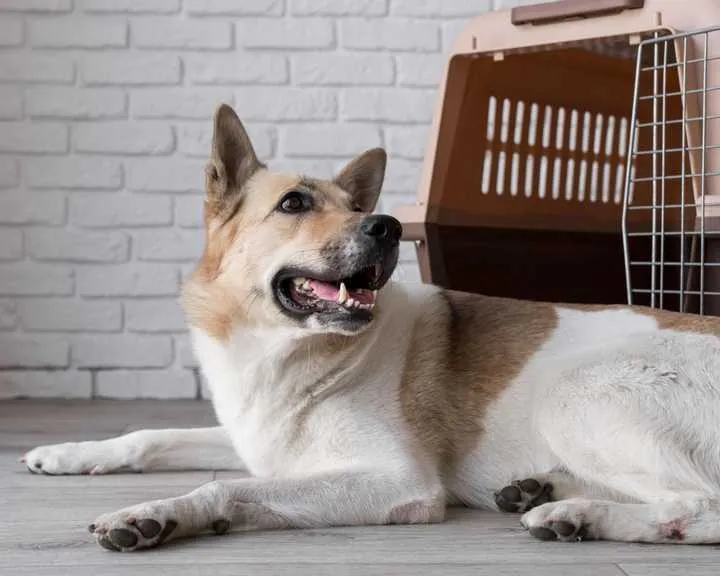 A dog inside a comfortable crate.
6. Clean Accidents Thoroughly
Lingering odors from indoor accidents can signal to your dog that these spots are acceptable potty areas. It’s crucial to clean up accidents immediately and thoroughly using an enzymatic cleaner designed to eliminate pet odors. For carpets, a carpet shampooer can be very effective. Understand how to train your dog to use the bathroom outside.
 A person cleaning a carpet stain.
7. Consistency is Key
Inconsistent training can confuse your dog and undermine your efforts. Stick to a regular schedule for feeding and potty breaks, use consistent praise and rewards, and maintain a patient and positive attitude throughout the process.
Conclusion
Successful potty training is fundamental to a harmonious life with your dog. By understanding the reasons behind their reluctance to eliminate outdoors and implementing consistent, positive training methods, you can help your dog master this essential skill. Remember to consider their individual needs, behavioral tendencies, and potential health concerns. With patience and dedication, you can transform outdoor potty breaks into a positive experience for both you and your canine companion.
Related posts
 A puppy being trained to pee outside.#### [6 Tips How to Train a Dog to Pee Outside](/blog/how-to-train-dog-to-pee-outside/)
 A person training a dog indoors.#### [How to Potty Train a Puppy or Dog: 6 Main Steps](/blog/how-to-potty-train-a-puppy/)
 A dog looking anxious.#### [Why Do Dogs Pee When Scared](/blog/submissive-urination-in-dogs/)
