
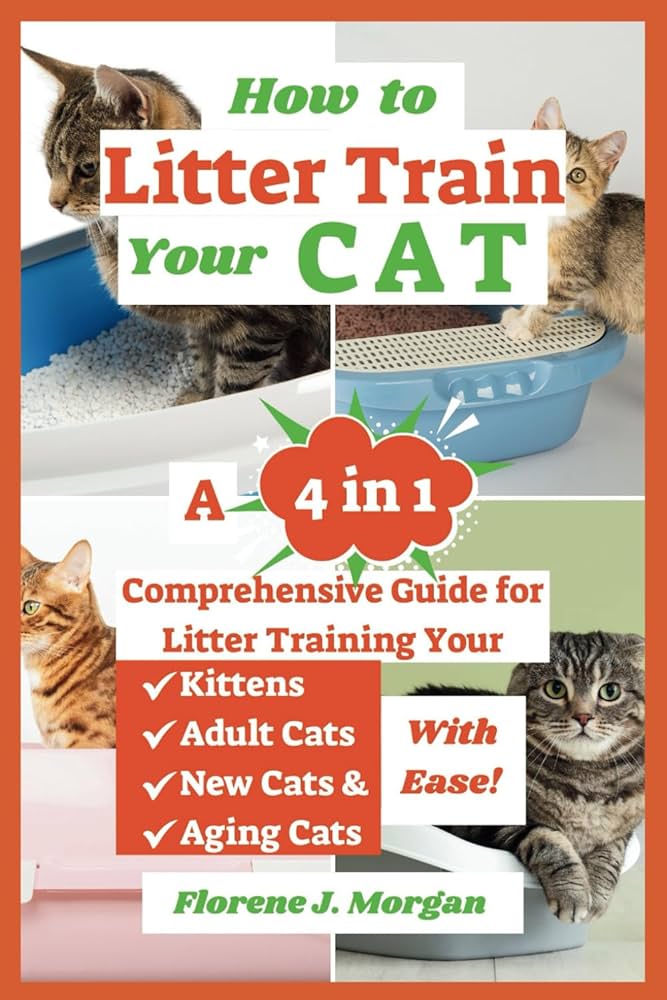
Raising a cat is often a rewarding experience, and one of the most appreciated aspects is their natural inclination towards housetraining. Kittens, in particular, tend to master the litter box quickly, often before puppies even grasp the basic concept of where to relieve themselves. While it’s commonly believed that mother cats teach their kittens litter box etiquette, this isn’t always the case. Whether you’ve recently adopted a kitten or welcomed a cat of any age into your home, some level of litter box training will be necessary.
Essential Supplies for Litter Box Training
Before you begin the litter box training process, it’s crucial to gather the right supplies. These include:
- Litter Box: These come in various styles, from enclosed spaces offering privacy to corner-shaped designs that maximize space.
- Cat Litter: The most popular and convenient type is clumping litter, which binds together when wet, making scooping easier.
- Cat Pads: Products like Wee-Wee Cat Pads can be placed under the litter box to catch any stray messes and provide an extra layer of protection. These often feature a comfortable design for your cat’s paws and can offer advanced odor control and easy cleanup, especially for litter box systems.
- Litter Scoop: A sifting litter scoop is highly recommended as it allows you to remove waste efficiently without needing to change the entire litter box daily.
When selecting a litter box, a good rule of thumb is to choose one that is at least one and a half times the length of your cat. This ensures your feline friend has enough space to turn around comfortably and dig to their satisfaction.
Mastering Litter Box Training: A Four-Step Process
The journey to a well-trained cat involves a few key steps:
Step #1: Strategic Litter Box Placement
The location of the litter box is paramount. Most cats prefer a quiet, private area that is away from their food and water bowls. Cats are instinctively hesitant to eliminate in the same area where they eat, so placing the box too close to their dining area can lead to avoidance.
Step #2: The Right Amount of Litter
Fill the bottom of the litter box with approximately 2 inches of cat litter. Cats have a natural instinct to cover their waste, so providing an adequate amount of litter is essential for them to complete this task. Once the box is prepared, gently place your cat inside to acclimate them to the scent and texture of the litter. It’s normal if they don’t eliminate immediately; some cats may need a few minutes to feel comfortable.
Step #3: Consistent Reinforcement
Continue to place your cat in the litter box several times throughout the day. Critical times include immediately after meals, as kittens, in particular, often need to use the litter box shortly after eating. If you happen to catch your cat in the act of eliminating elsewhere in the home, gently interrupt them and escort them to their designated litter box. Remember to offer praise and positive reinforcement whenever they successfully use the litter box.
Step #4: Troubleshooting and Adjustments
If you’re encountering difficulties during the litter box training process, don’t be discouraged. You might need to experiment by moving the litter box to a different location or trying a different type of cat litter. Sometimes, a simple change in environment or litter texture can make all the difference. For additional guidance on feline well-being, consider these 8 Tips for a Happy and Healthy Kitty.
Maintaining a Clean Litter Box
Regular cleaning of the litter box is vital for your cat’s health and to prevent potential issues like urinary tract infections (UTIs) caused by bacteria buildup. Whenever you notice your cat has used the litter box, use your scoop to remove the waste. You may need to add a small amount of fresh litter afterward to maintain the optimal level.
A thorough weekly cleaning involves emptying the entire box, cleaning it with a pet-safe cleaner, and refilling it with fresh litter. This practice helps keep the box hygienic and reduces unpleasant odors.
Conclusion: Patience and Consistency are Key
Litter box training a cat requires a degree of patience and understanding of their natural behaviors. By consistently following these steps, providing the right supplies, and maintaining a clean environment, you can help your feline companion become proficient with their litter box. Observing your cat’s daily schedule and reinforcing positive behavior will lead to success in no time. For more insights into cat care, explore our range of resources designed to help you provide the best possible environment for your furry friend.
