
Dealing with a new puppy can be an exciting but often overwhelming experience, especially when faced with challenging behaviors. Many dog owners find themselves struggling with common issues like jumping, nipping, excessive barking, destructive digging, and constant licking. This article offers practical advice and proven strategies to help you navigate these puppyhood hurdles and build a stronger bond with your canine companion. If you’re considering giving up on your pup due to behavioral problems, don’t despair just yet. Dog training can make a significant difference.
Understanding and Addressing Jumping and Nipping
Puppies often jump and nip as a way to greet people, express excitement, or seek attention. While these behaviors are natural to some extent, they can become problematic if not managed effectively.
Why Common Methods Fail
Methods like having visitors ignore the puppy initially or using a restrained recall can sometimes backfire. Restraining a puppy can build excitement and intensity, leading to a more vigorous greeting rather than a calm one. Similarly, turning your back can be perceived as an invitation to play, especially if the puppy resorts to nipping your legs or behind.
Effective Strategies for Managing Greetings
When visitors arrive, keep your puppy on a leash. Use gentle leash pops, as taught in obedience classes, to prevent jumping and nipping. Instruct your guests to ignore the puppy completely until he has settled down. Once your puppy is calm and has had a chance to sniff your guests, they can offer gentle petting. Consistently interrupt any jumping with a gentle leash correction and ensure guests also stop petting if the behavior resumes. This consistent approach helps the puppy learn that calm behavior earns rewards.
Combating Excessive Barking
Persistent barking, especially in the evenings, can be incredibly stressful for both dogs and owners. Often, this stems from a demand for attention or unmet needs.
The Pitfalls of Inconsistent Correction
Trying multiple conflicting strategies, such as ignoring the dog one moment and then trying to get him to sit and pet him the next, can confuse your puppy. Inconsistency prevents the puppy from understanding what behavior is desired.
The “Play Hard to Get” Rule
The most effective approach is to ignore your puppy’s demands for attention, whether it’s through barking, jumping, or nipping. This means offering attention only when you initiate it. Even if your puppy approaches you calmly, if he wasn’t invited, ignore him. Wait for him to move away, then call him to you for affection. This teaches him that attention is earned through calm, invited interactions, not through demanding behaviors.
Managing Destructive Digging and Chewing
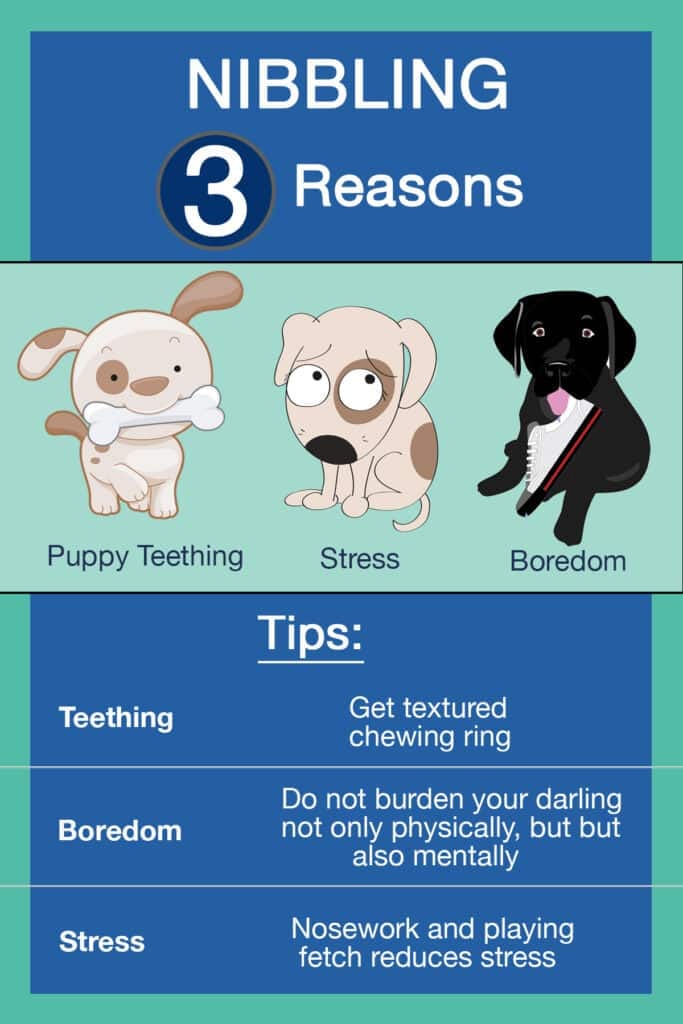
Destructive behaviors like digging in the yard or chewing on household items are common, especially in energetic puppies. These actions often indicate boredom, excess energy, or a lack of appropriate outlets for their natural instincts.
Addressing Yard Destruction
While deterrents like chili powder can offer temporary relief, they often lack consistency. A more holistic approach involves ensuring your puppy receives adequate exercise and has plenty of appropriate chew toys. If digging occurs when you are present, teaching a solid “Leave It” command is crucial. This command, often covered in basic obedience courses, teaches your dog to disengage from something they are fixated on.
Solutions for Excessive Licking
Similar to digging, excessive licking of household items can be curbed with a combination of sufficient exercise, engaging chew toys, and a strong “Leave It” command. For household items, consider using safe, non-toxic sprays designed to deter licking and chewing. Always test these sprays in an inconspicuous area to ensure they don’t stain surfaces.
Fulfilling Your Puppy’s Needs
It’s important to remember that many “problem” behaviors are simply normal canine activities that humans may not appreciate. Young dogs have a lot of energy, need to chew, require mental stimulation, and want to explore their world. As dog owners, our role is to channel these natural instincts into acceptable outlets. Providing ample opportunities for play, exercise, training, and exploration is key to raising a well-behaved and happy dog. If you’re facing persistent challenges, consider enrolling in a puppy basic obedience video course or seeking further professional guidance.
