
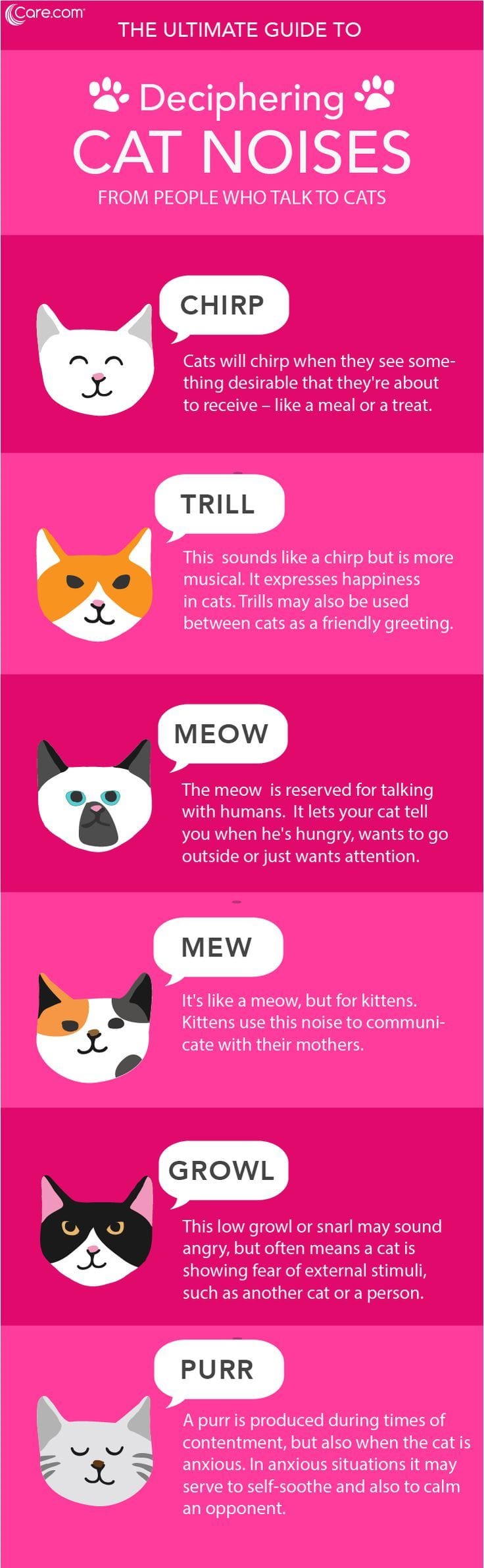
Cats use their meows as a primary form of communication with humans, a fascinating behavior as adult cats rarely meow at each other. Kittens meow to signal needs like hunger or cold to their mother, but this vocalization is primarily reserved for human interaction in adulthood. This guide explores the various reasons behind a cat’s meow and offers strategies to manage excessive vocalization, ensuring a harmonious relationship between pet and owner.
Why Do Cats Meow?
Cats meow for a multitude of reasons, often related to their needs and desires. Understanding these vocal cues is key to addressing them effectively.
Greeting and Attention Seeking
Your cat may meow to greet you upon your arrival, when encountering you within the house, or even when you speak to her. This is a natural expression of their social nature and desire for interaction. Some cats are more vocal in their requests for attention, seeking to be petted, played with, or simply engaged in conversation. Cats left alone for extended periods may exhibit increased vocalizations to solicit attention.
Food Requests
The anticipation of mealtime often prompts meowing. Cats can become quite demanding when they associate certain times or actions (like someone entering the kitchen) with food. Some may even meow to wake their owners for breakfast or beg for human food. If your cat consistently meows for food, it’s important to establish regular feeding times rather than feeding on demand. For cats on a diet, consulting your veterinarian about high-fiber options or supplements can help them feel more satisfied.
Access to Indoors or Outdoors
Meowing is a cat’s way of indicating their desire to enter or exit a space. A cat wanting to go outside will often meow at the door, and similarly, a cat seeking re-entry will vocalize to be let in. Transitioning a cat from an indoor-outdoor lifestyle to exclusively indoor living can lead to a period of persistent meowing at doors and windows, which may take weeks or months to subside. To manage this, consider installing a cat door or creating a safe outdoor enclosure. It’s important to note that the ASPCA recommends keeping cats indoors to protect them from dangers and diseases.
Medical and Age-Related Reasons
Elderly cats experiencing cognitive dysfunction may meow due to disorientation, a symptom akin to Alzheimer’s disease in humans. Behavior Problems in Older Cats can be a significant concern for owners. Furthermore, a cat that suddenly meows excessively should be examined by a veterinarian to rule out underlying medical conditions. Diseases affecting appetite, thirst, or causing restlessness can prompt increased vocalization. Conditions such as overactive thyroid and kidney disease, common in aging cats, can also lead to excessive meowing.
Mating Calls
Unspayed female cats in heat will yowl to signal their receptivity to males, while unneutered males may yowl incessantly upon detecting a female in heat. This is a natural part of their reproductive cycle, and spaying or neutering is the most effective way to reduce such vocalizations.
Managing Excessive Meowing
If your cat’s meowing becomes problematic, understanding the cause is the first step toward a solution. Keeping a log of when your cat vocalizes excessively can help identify patterns.
Addressing Attention-Seeking Meows
If your cat meows for attention, it’s crucial to teach them that quiet behavior is what earns your attention. Avoid giving any form of attention, even negative, when they are vocalizing. Instead, wait for a moment of silence, then immediately provide the desired attention. If the meowing resumes, disengage until they are quiet again. Consistency is key to this training method.
Food-Related Vocalizations
Resist the urge to feed your cat when they meow for food outside of scheduled mealtimes. If this doesn’t curb the behavior, an automatic feeder that dispenses food at set times can be a useful tool, redirecting their vocalizations towards the feeder.
Indoor Transition
For cats accustomed to going outside, the transition to an indoor-only life requires patience. While there’s no quick fix, consistent enforcement of indoor living will eventually lead to adjustment and reduced meowing.
Veterinary Consultation
A thorough veterinary examination is essential to rule out any medical issues contributing to excessive meowing. If your cat is elderly and exhibiting new vocal behaviors, a vet can assess for age-related conditions and provide appropriate treatment.
What NOT to Do
It’s vital to approach excessive meowing with understanding and avoid punitive measures.
Avoid Ignoring Meows
Unless you are certain your cat is meowing for a specific, non-urgent request, it’s best to assume something is wrong. Ensure their basic needs, such as access to a litter box and fresh water, are met.
Do Not Punish
Scolding or hitting your cat for meowing will not effectively address the behavior long-term and can lead to fear and a damaged relationship. Focus on positive reinforcement and understanding the root cause of their vocalizations. By implementing these strategies and consulting with your veterinarian, you can foster a quieter, more harmonious environment for both you and your feline companion.
