
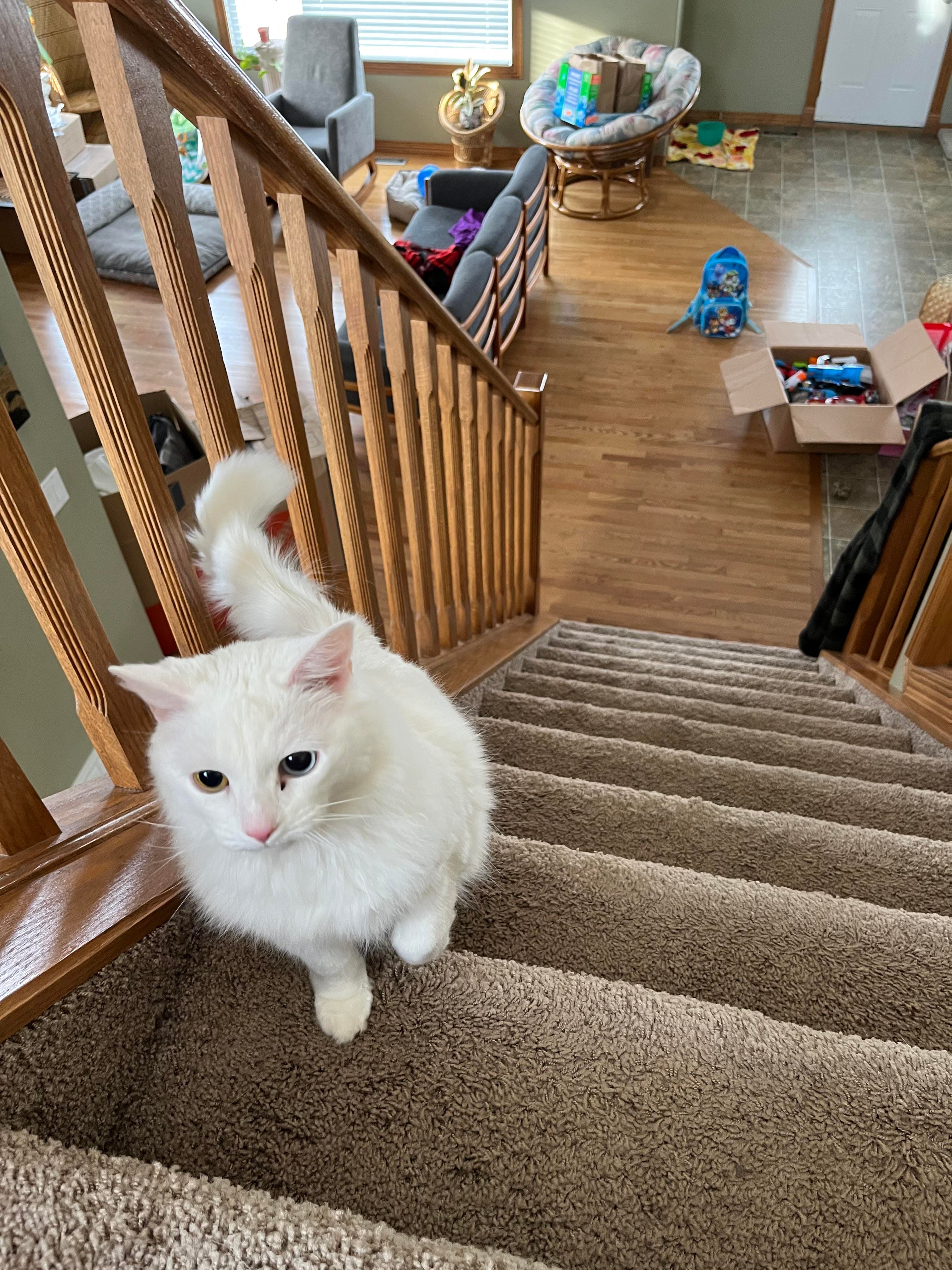
It’s a common, yet often frustrating, situation for cat owners: finding your feline friend intently focused on shredding your carpets. Whether it’s a new habit or one that’s developed over time, understanding the ‘why’ behind this behavior is the first step towards a solution. This guide delves into the reasons behind carpet scratching and provides practical strategies to redirect your cat’s instincts constructively.
Why Do Cats Scratch Carpets?
Scratching is an innate and essential behavior for cats, serving multiple purposes. Primarily, it’s a way for them to sharpen their claws, stretch their muscles, and mark their territory. As natural predators, cats use scratching to leave visual and scent markers, signaling to other animals (and sometimes to us) that this is their domain.
Beyond territorial marking, carpet scratching can be a cat’s way of communicating underlying issues. They might be signaling discomfort from fleas, reacting negatively to certain noises, or simply expressing feelings of boredom, stress, or anxiety. Fortunately, with a few adjustments, this common feline habit can often be managed effectively.
Providing Acceptable Scratching Alternatives
When your cat chooses your carpet as their scratching post, it’s crucial to offer a more suitable alternative to prevent further damage.
Offer a Scratching Post
If territorial marking is the driving force behind your cat’s scratching, a dedicated scratching post can be an excellent deterrent. Cats instinctively enjoy scratching, so providing a designated post encourages them to redirect this natural urge. If your cat seems uninterested at first, a sprinkle of catnip can sometimes entice them to explore and use the post. Scratching posts offer a valuable outlet for cats needing a distraction or simply a different surface to satisfy their scratching needs.
Introduce Engaging Toys
For some cats, a special toy, potentially infused with catnip, can serve as a compelling distraction from the carpets. Cats may exhibit more marking behaviors when they feel insecure, such as when left alone at home. While a scratching post is often effective, other cats might respond better to toys or even blankets as an alternative focus for their scratching instincts.
Addressing Diet and Environment
A cat’s behavior can sometimes be linked to their diet or environmental setup.
Evaluate Your Cat’s Diet
An unbalanced or unsuitable diet can sometimes lead to behavioral changes in cats, including destructive scratching. Pay attention to whether there have been any recent changes in your cat’s food and if their behavior has shifted concurrently. Ensuring your cat receives a balanced diet is crucial, and they may “act out” if their food isn’t meeting their nutritional needs. For senior cats, consider a diet specifically formulated with higher nutrients tailored for older felines.
Relocate the Feeding Area
Cats sometimes mark their territory near their food sources, which can unfortunately extend to scratching nearby carpets. If this behavior persists, try moving your cat’s eating spot to a designated table or a specific area that they recognize as their own dining space. Establishing a clear, elevated eating area away from the carpets can often reduce the urge to mark territory in that vicinity.
The Power of Catnip and Redirection
Catnip is renowned for its ability to help cats relax and can be a useful tool in managing scratching behavior.
Utilize Catnip Effectively
Sprinkling catnip in an area away from your carpets can help redirect your cat’s attention. Cats experiencing tension are more prone to scratching at carpets. Catnip can serve as an incentive for them to use their designated scratching surfaces instead. Various catnip products are available, including dried herbs, sprays, and toys, all of which can help divert your cat’s focus.
Redirect the Scratching Behavior
If you catch your cat scratching the carpet, several methods can help redirect this behavior:
- Double-Sided Tape: Cats generally dislike sticky textures. Applying double-sided tape to the edges of the carpet where scratching occurs can deter them from using those areas.
- Nail Trimming and Caps: Regularly trimming your cat’s nails can significantly reduce the damage caused by scratching. If you’re unsure about the proper technique, consult your veterinarian or a professional groomer. Alternatively, nail caps are vinyl coverings glued onto a cat’s claws to prevent them from causing damage when they scratch.
- Cover the Targeted Area: Temporary barriers, such as a plastic carpet runner placed with the pointy side up or a piece of clear plastic, can make the carpet less appealing. Cats typically avoid uncomfortable surfaces.
Choosing Cat-Friendly Carpeting
When selecting carpets for a home with cats, especially those prone to scratching, the material and construction can make a significant difference in managing long-term wear and tear.
Consider carpets made from durable, stain-resistant materials that are easy to clean. Nylon or polyester fibers are often recommended as they resist marks from scratching and are simpler to maintain. These choices are ideal for pet owners seeking a carpet that withstands the demands of feline companions without constant worry.
Opting for carpets with a low pile or a tightly woven texture can also be beneficial. Some carpet weaves make it more difficult for cats to sink their claws in, thereby reducing the temptation to scratch. Ultimately, selecting a scratch-resistant and easy-to-clean carpet offers peace of mind, allowing your home to accommodate your furry friends without sacrificing style or comfort.
It’s important to remember that scratching is a natural feline behavior. By understanding the underlying reasons and implementing these strategies, you can successfully redirect your cat’s scratching instincts to more appropriate surfaces, preserving both your carpets and your cat’s well-being.
