
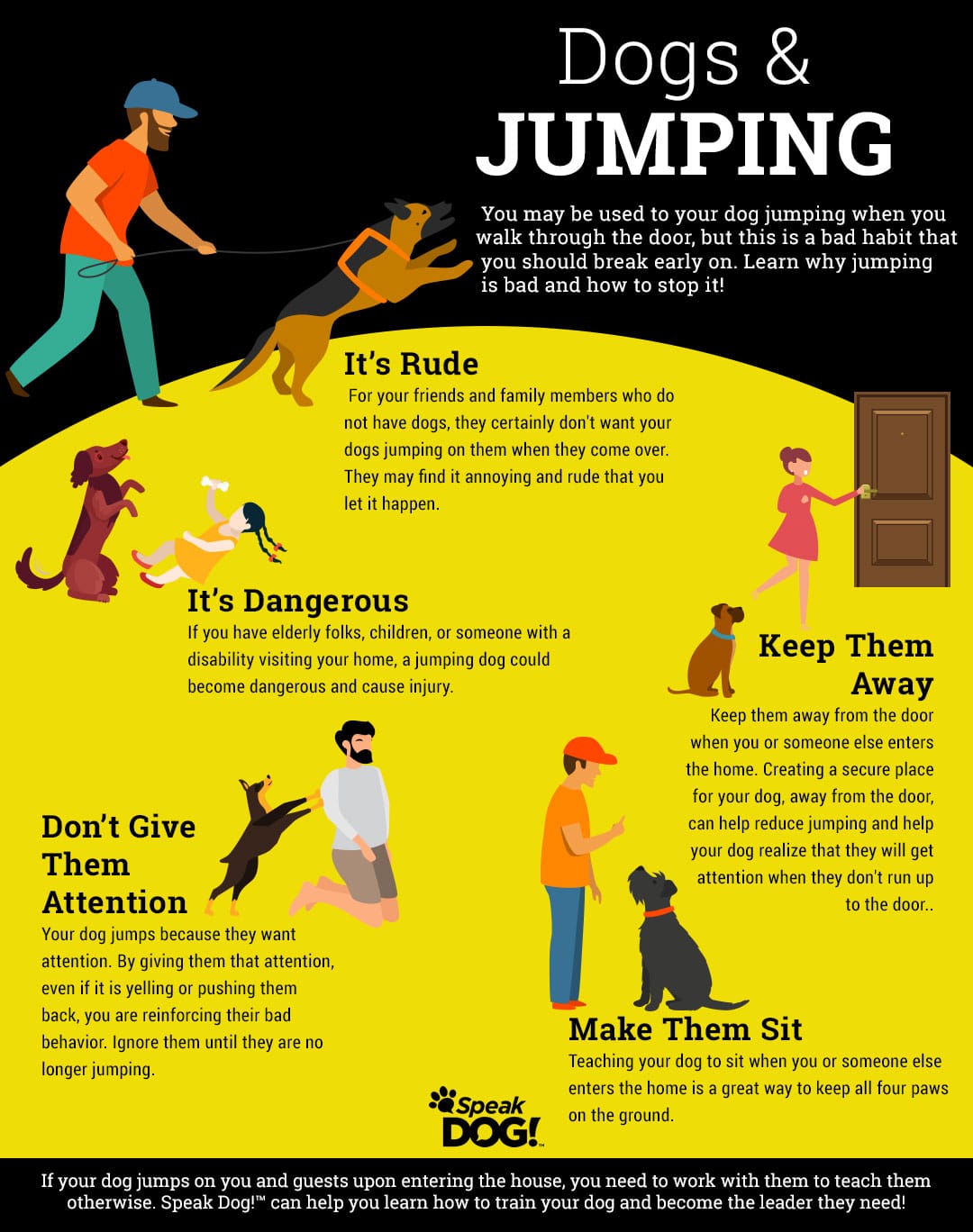
When your dog greets guests with enthusiastic leaps, it can be embarrassing and even a little overwhelming. This guide, based on a Beverlywood dog training session, will provide you with effective strategies to train your dog to stop jumping on people. We’ll cover understanding why dogs jump, how to implement positive reinforcement, and practical exercises to cultivate polite greeting manners.
Understanding Dog Jumping Behavior
Dogs often jump on people for various reasons, including excitement, seeking attention, or as a natural part of their play and greeting rituals. Unlike humans who stand upright, dogs, being on four paws, naturally greet each other at a higher level. This can translate into jumping when they’re eager to greet their favorite humans. It’s crucial to remember that dogs don’t inherently understand that jumping is “rude” to us. Instead of solely focusing on stopping the unwanted behavior, it’s more effective to teach them the desired alternative.
The Power of Positive Reinforcement
Positive reinforcement is key to successful dog training. By rewarding behaviors you want to see, you communicate clearly to your dog what earns them praise and treats. This approach not only helps in modifying unwanted behaviors like jumping but also strengthens the bond between you and your dog.
Rewarding Desired Behaviors: “Celebrating” Your Dog
“Celebrating” your dog means actively acknowledging and rewarding them when they exhibit good behavior. This could be when they sit calmly, make eye contact, or simply remain on all four paws when someone approaches. Consistently rewarding these actions helps your dog learn that polite behavior is more rewarding than jumping. For instance, when Moody, a German Shepherd/Border Collie mix, chose to sit or engage with her guardian, she was rewarded, reinforcing these desirable actions.
Using a Marker Word for Clarity
A marker word, like “yes” or a clicker sound, paired with a reward, helps dogs understand precisely which action earned them the treat. This consistent communication is vital for developing desirable habits and building your dog’s confidence. If your dog already has a marker word, reintroducing it with a loading exercise can be beneficial.
Effective Training Techniques to Stop Jumping
1. Managing the Environment and Early Intervention
When you first arrive for a training session, or when guests are expected, having high-value treats readily available is a great first step. Holding treats down and at your sides can redirect your dog’s attention from jumping to sniffing, setting a positive tone for the interaction. This initial management can prevent the jumping behavior from occurring in the first place.
2. Teaching Incompatible Behaviors
The most effective way to stop a dog from jumping is to teach them an alternative behavior that is incompatible with jumping. For example, teaching your dog to sit when greeting people. This focuses on teaching your dog what you want them to do, rather than just punishing what you don’t want.
Hand Targeting Exercise: A useful exercise involves teaching your dog to target your hand with their nose. This can be practiced at the door every time you come home. By performing 5-10 repetitions each time you enter, your dog practices the new desired behavior in a context where they are accustomed to jumping. This simple exercise, taking less than a minute, can be highly effective when practiced consistently.
3. Creative Exercise and Mental Stimulation
Higher-energy dogs often need more than just physical exercise to prevent jumping. Incorporating snuffle mats, puzzle feeders, and enrichment games like treat-hiding or scent games can help expend excess energy. A well-exercised dog is more likely to be a well-behaved dog, setting them up for success in learning polite manners.
4. Practicing with Controlled Setups
Once your dog understands the desired behavior in a calm environment, practice with controlled setups. Invite a friend over who understands the training plan and can follow directions. It’s crucial to choose people who will cooperate with your training efforts, especially when introducing guests.
Building Long-Term Success
Stopping jumping habits takes time and consistent practice. It can take up to three months for a dog to fully develop a new behavior pattern. Therefore, your guardian will need to practice the exercises multiple times daily for several months to solidify the new, non-jumping behavior. This commitment to consistent practice is the secret to long-term success in teaching your dog polite greeting manners.
If you’re facing significant challenges with your dog’s jumping behavior, seeking guidance from a professional can be invaluable. Resources like dog training walnut creek can offer expert advice and support tailored to your specific situation.
Remember, patience, consistency, and positive reinforcement are your most powerful tools in training your dog to stop jumping on people. By understanding their motivations and teaching them alternative behaviors, you can cultivate a polite and well-mannered companion.
