
Waking up to your dog’s barking in the middle of the night can be disconcerting. However, dogs rarely bark without a reason; it’s their way of communicating discomfort, alertness, or anxiety. Understanding the root cause of this nocturnal vocalization is the crucial first step toward ensuring peaceful nights for both you and your canine companion. This guide delves into the common triggers for nighttime barking, their potential meanings, and effective strategies to restore tranquility to your home.
Common Reasons Your Dog Barks After Dark
Barking is an inherent form of communication for dogs, but excessive barking at night often indicates a specific issue. Several common factors contribute to this behavior:
Environmental Noises and Triggers
Dogs possess exceptionally acute hearing, far superior to humans. Sounds such as passing vehicles, wildlife, other barking dogs, or even distant sirens can easily capture their attention. Your dog may bark to alert you to these perceived disturbances or intruders.
Tip: To mitigate external triggers, consider closing windows, using a white noise machine, or ensuring your dog remains indoors during late hours.
Feeling Isolated or Experiencing Separation Stress
If your dog sleeps in a separate room or outdoors, they might bark due to anxiety stemming from separation from the family. As natural pack animals, dogs can experience distress and become vocal when feeling isolated.
What helps: Arrange their sleeping area to be close to where the family rests, provide comforting blankets, and offer a familiar scent to alleviate their stress. For those seeking effective solutions for specific behavioral challenges, exploring resources on dog training spray might offer additional support.
Insufficient Exercise or Mental Engagement
A dog that hasn’t had adequate exercise or playtime during the day may release pent-up energy through barking at night. Boredom and restlessness are frequent culprits, particularly in young or highly active breeds.
Solution: Ensure your dog receives sufficient physical activity and mental stimulation. Daily walks, puzzle feeders, and training sessions can help them expend energy and relax before sleep.
Physical Discomfort or Underlying Health Concerns
Occasionally, barking can signify that your dog is experiencing discomfort, pain, or illness. Conditions such as dental pain, arthritis, or digestive issues can make it difficult for them to settle down at night.
When to act: If your dog’s barking is a new behavior, is persistent, or is accompanied by other symptoms like restlessness, pacing, or whining, it is essential to schedule a veterinary checkup to rule out any medical causes.
Protective Instincts
Some dogs bark at night due to their innate protective instincts, feeling responsible for guarding their home. Guard breeds, in particular, are prone to alert barking when they detect unusual movements or scents.
Helpful approach: It is advisable to avoid punishing protective barking. Instead, reassure your dog, minimize their exposure to outdoor stimuli, and train them using quiet commands and positive reinforcement.
How Routine and Surroundings Influence Night Barking
Establishing a predictable bedtime routine can significantly reduce nighttime barking. Dogs thrive on structure, and uncertainty can heighten anxiety or excitement.
Consider these calming strategies:
- Implement a consistent bedtime schedule.
- Offer a final potty break before settling down for the night.
- Use dim lighting and calm music to signal that it is time to rest.
- Create a peaceful, cozy sleeping area where your dog feels secure.
If your dog tends to bark at specific times, observe and note these patterns, as they may reveal whether they are reacting to sounds, hunger, or discomfort. For individuals interested in professional guidance on managing canine behavior, resources like chester county dog training can provide valuable insights.
Training Techniques That Reduce Night Barking
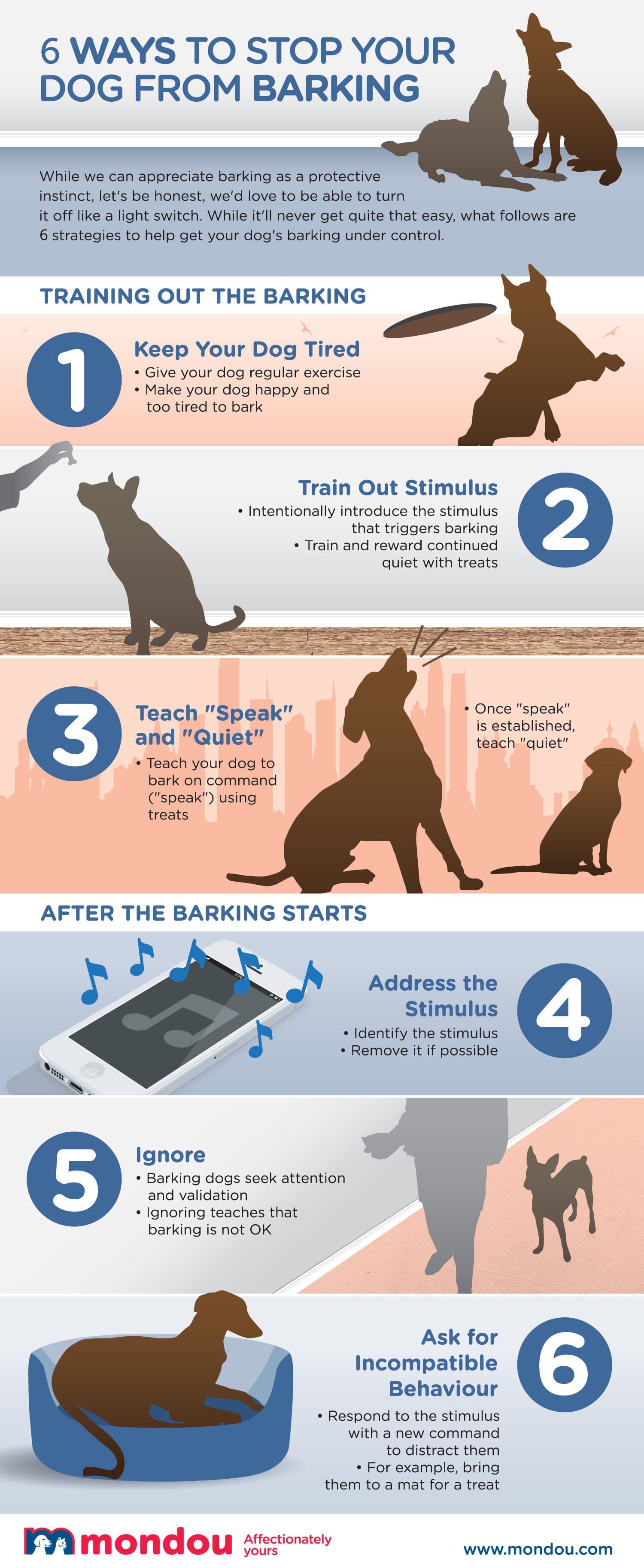
Behavioral training is among the most effective methods for managing excessive barking. Focus on positive reinforcement, rewarding your dog for staying calm rather than scolding them for barking.
Key practical steps include:
- Teaching the “quiet” command.
- Reinforcing calm moments with gentle praise or small treats.
- Avoiding giving attention when the dog is barking to prevent them from associating noise with reward.
- Utilizing desensitization techniques for known triggers, such as outdoor noises.
Patience and consistency are paramount; behavioral changes take time but yield lasting results. Engaging with best dog training videos on youtube can offer visual demonstrations of these techniques.
Knowing When It’s Time to Get Expert Support
If your dog’s nighttime barking persists despite consistent training and environmental adjustments, it may be time to seek professional assistance.
- Veterinarians can rule out any underlying health issues that may be causing discomfort.
- Certified dog trainers or animal behaviorists can identify emotional or behavioral triggers and develop a personalized training plan.
For those seeking compassionate behavioral guidance for their pets, consulting local professionals can help assess your dog’s needs and provide effective, humane solutions. Understanding the nuances of canine communication is vital, and sometimes specialized tools like dog collars training shock are considered, though positive reinforcement is generally preferred.
Nighttime barking can be frustrating, but it is your dog’s way of communicating an unmet need—whether it’s boredom, anxiety, or discomfort. With patience, understanding, and appropriate guidance, most dogs can overcome this behavior and enjoy peaceful, uninterrupted sleep. By observing their habits, addressing their needs, and providing consistent training, you will strengthen your bond and ensure better rest for both you and your beloved pet.
Frequently Asked Questions:
1Q: Why does my dog bark at nothing during the night?
Ans: Your dog may be hearing or smelling something you cannot perceive, such as wildlife or distant noises. It is rarely “nothing” from their perspective.
2Q: Should I ignore my dog when they bark at night?
Ans: Ignoring barking can be effective if it is attention-seeking. However, it is crucial to first ensure there is no legitimate cause, such as pain, fear, or danger.
3Q: Can crate training stop night barking?
Ans: Yes, if implemented positively. A crate can provide a safe, den-like space that helps your dog feel secure, potentially reducing anxiety-related barking.
4Q: Will another pet help stop my dog from barking at night?
Ans: Sometimes. Companionship can alleviate loneliness, but it will not resolve barking caused by fear, pain, or external noise.
5Q: How long does it take to correct night barking?
Ans: The duration varies depending on the cause and the consistency of training. Some dogs show improvement within a week, while others may require longer-term behavior modification.
6Q: Should I use bark collars to stop night barking?
Ans: It is generally not recommended. Bark collars can induce stress and potentially worsen anxiety-based barking. Positive reinforcement methods are considered a much healthier and more effective approach to address behavioral issues.
