
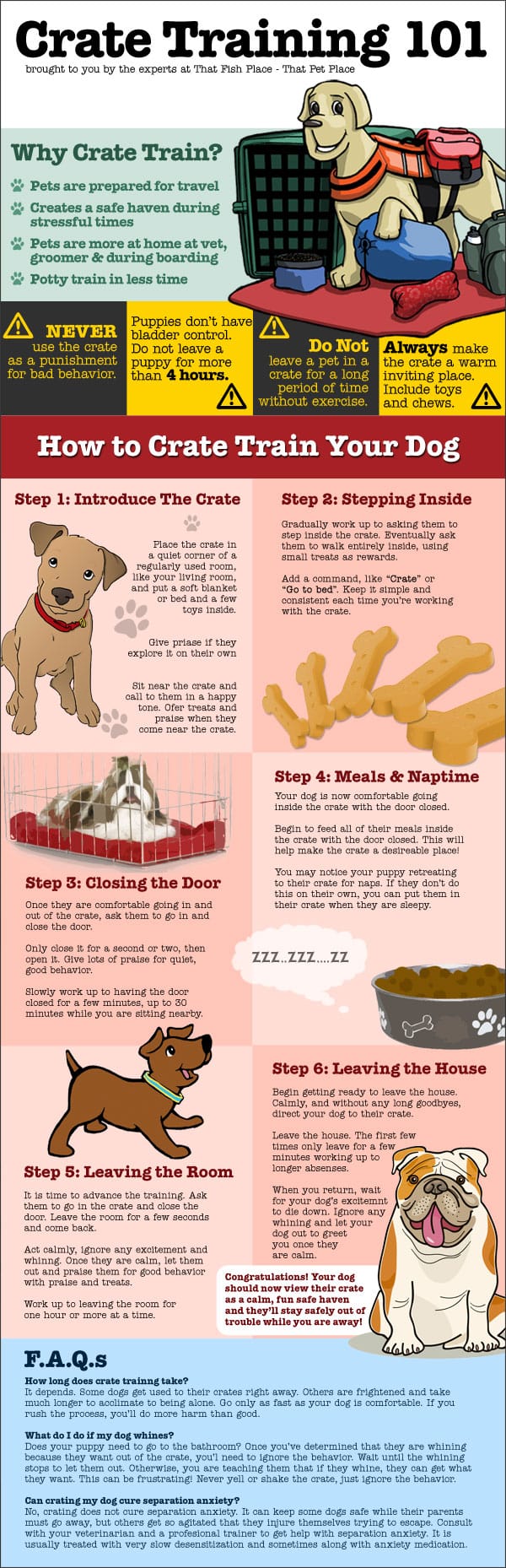
Many dog owners face the challenging issue of their dog attempting to escape its crate. This often leads to the purchase of more expensive, heavy-duty crates like aluminum ones, in the hope that they will provide a more secure solution. While these crates can be effective, some dogs become so distressed and determined to break free that they injure themselves, commonly by cutting their mouths or feet. It’s crucial to understand that a stronger crate is often only part of the solution, and addressing the underlying behavioral issues through training is paramount.
Recommended Training Options for Crate Escapes
If your dog is exhibiting crate escape behaviors, consider implementing the following training strategies:
1. Utilize a Muzzle During Crate Time
For dogs that are determined to chew or scratch their way out, a muzzle can be a temporary but effective tool. We recommend wire basket muzzles, as they allow the dog to pant and drink while preventing them from damaging the crate or themselves. Ensure you select a muzzle that fits your dog properly. You can find guidance on how to select and size a muzzle in our dedicated article.
2. Provide Engaging Chew Toys or Treats
Sometimes, a simple distraction can redirect your dog’s energy and prevent escape attempts. Offering a durable cow’s knucklebone or a specialized treat toy can keep your dog occupied and content within the crate. These items provide mental stimulation and a positive association with crate time.
3. Increase Exercise and Mental Stimulation
A tired dog is less likely to engage in destructive behaviors. Ensure your dog is getting sufficient physical exercise daily. Beyond physical exertion, mental enrichment is equally important. Engaging your dog in activities like marker training and relationship games can help reduce overall anxiety and restlessness, which often contribute to crate escape attempts.
4. Implement Pack Structure Training
Our pack structure program is designed to teach dogs to remain calm and submissive in various situations, including within a dog crate. This program focuses on establishing clear boundaries and expectations, helping your dog understand their role within the household. You can access this comprehensive program through our online courses or as a DVD for a more in-depth understanding of living harmoniously with your dog.
5. Explore Remote Collar Training
For persistent cases where dogs have developed significant chewing or digging habits within the crate, remote collar training can be a valuable tool. This method, when applied correctly, can discourage these behaviors. Our “Remote Collar Training for the Pet Owner” DVD provides detailed instructions on the proper and humane use of a remote collar.
6. Consider a Bark Collar
Bark collars, particularly those that work on vibration rather than sound, can be effective for dogs that whine or growl excessively in their crates. These collars provide a correction when the dog vocalizes, helping to interrupt the cycle of anxiety and escape attempts. Our bark collars are adjustable and have proven to be highly effective in stopping nuisance barking from day one.
Addressing Vet-Prescribed Sedatives
It’s not uncommon for owners to seek veterinary advice for crate escape issues, with vets sometimes prescribing calming medications. However, it’s important to note that medication often only masks the problem without addressing the root cause. True solutions lie in understanding and modifying the dog’s behavior through consistent training and management. It is essential to seek guidance from experienced dog trainers who can provide practical, actionable training advice rather than relying solely on pharmaceutical interventions.
Conclusion
Preventing your dog from breaking out of its crate requires a multifaceted approach that combines appropriate containment solutions with consistent and effective training. By understanding the underlying causes of crate escape behavior and implementing strategies such as increased exercise, mental stimulation, and specialized training programs, you can help your dog feel secure and content in its crate. If you are struggling with crate escape issues or other behavioral challenges, consulting with experienced professionals can provide the tailored guidance you need to achieve a well-behaved canine companion.
