
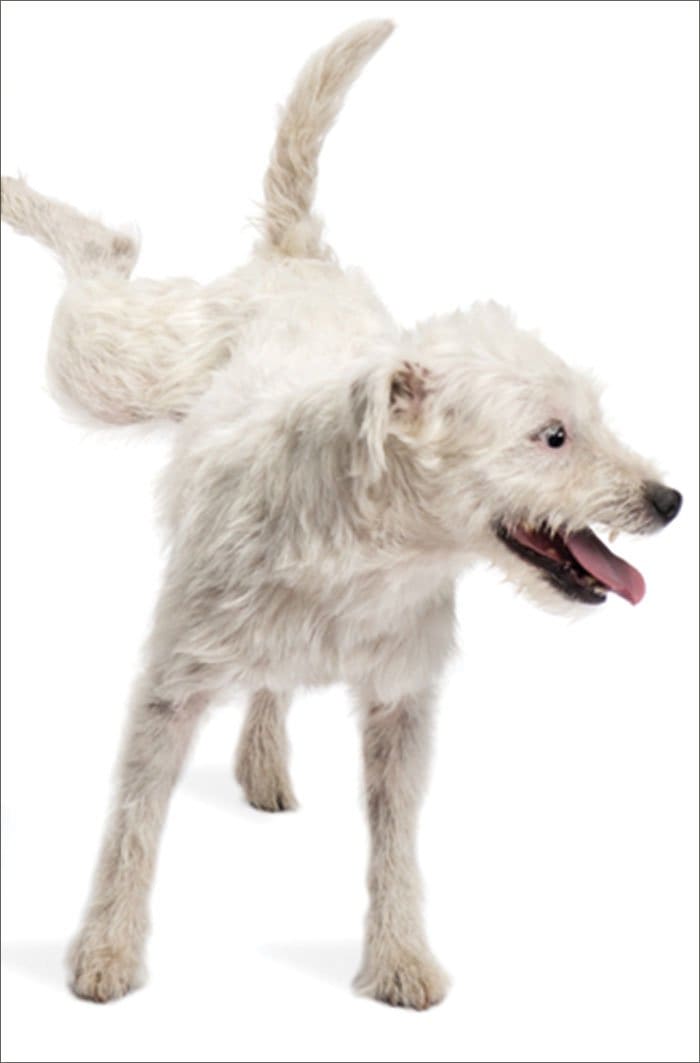
Urine marking is a natural behavior in dogs where they deposit small amounts of urine in various locations. While it’s more common in male dogs, both sexes engage in this behavior. It can become a significant nuisance if it extends indoors. This guide will explore the reasons behind urine marking, differentiate it from accidental urination, and provide effective strategies to curb this behavior in your home.
Why Dogs Mark Their Territory
Urine marking typically begins around sexual maturity, generally between 6 to 12 months of age, varying by breed and size. Understanding the root cause can help in addressing the issue.
Claiming Territory
A primary reason for urine marking is to signal to other animals that a territory has been claimed. Dogs may view both your yard and the interior of your home as their domain, often marking vertical surfaces. Consistent re-marking of specific spots reinforces this message. The presence of unfamiliar animals outside can also trigger territorial marking as a defensive measure.
Responding to Female Dogs in Heat
Male dogs are particularly prone to urine marking when an intact female dog in heat is nearby. This behavior serves as a way to attract mates, making the presence of a receptive female a significant trigger.
Household Conflicts
Tensions or disagreements between dogs within the same household can lead to increased urine marking. The anxiety stemming from these conflicts, combined with the innate need to mark territory, can result in this behavior.
Environmental Changes
Changes in a dog’s environment can also prompt urine marking. New furniture, the introduction of new people, or unfamiliar items in the home can become targets. The anxiety associated with disruptions in routine and environment can manifest as marking.
Submissive Urination
A different behavior, submissive urination, occurs when a dog is startled or scared, often in response to loud noises or sudden movements. This results in a few drops of urine, distinct from the deliberate act of marking. If you suspect medical issues, consult your veterinarian to rule out conditions like urinary tract infections, crystalluria, kidney disease, or other metabolic disorders.
Differentiating House Soiling from Urine Marking
The key differences between house soiling and urine marking lie in the volume of urine and the frequency of occurrences. Marking typically involves small amounts of urine deposited in multiple locations. In contrast, house soiling usually involves a larger volume of urine, often in a single spot, similar to what might happen during an outdoor potty break.
Strategies to Stop Indoor Urine Marking
While urine marking is a natural canine behavior, it can be managed effectively when it occurs indoors.
Neutering or Spaying
For intact male dogs, neutering can significantly reduce urine marking. Studies indicate that castration can decrease urine marking by up to 90% in a substantial percentage of dogs. It’s also advisable to consider neutering or spaying other pets in a multi-dog household, as female dogs in heat can trigger marking behavior in males.
Thorough Cleaning
Using an enzymatic urine cleaner is crucial for effectively removing urine odors and residue from soiled areas. Lingering scents can encourage your dog to re-mark the same spots. Always follow the product’s instructions for optimal results. You can find more tips on removing dog urine smell from carpets by visiting this resource.
Restricting Access
If a particular area is repeatedly marked, consider blocking access to it. Using baby gates or covering the area with a rug after thorough cleaning can help deter your dog from returning to that spot.
Training and Redirection
Punishing your dog for urine marking is counterproductive and can increase anxiety, potentially worsening the behavior. Instead, focus on positive redirection. When you observe your dog about to mark, distract them by asking for a known command like “sit” or “stay,” and reward them with a treat. This helps to redirect their focus to a more desirable behavior.
Using Belly Bands
During the training process, belly bands can be a helpful tool for male dogs to prevent indoor marking. These bands function like diapers and should be changed regularly to maintain hygiene and prevent skin irritation.
Managing Anxiety
If anxiety is the underlying cause of urine marking, focus on implementing calming strategies. Canine pheromone products, such as the Adaptil plug-in or spray, can create a more soothing environment. Various supplements are also available to help manage canine anxiety. For severe cases, consult your veterinarian about potential anxiety medications.
By understanding the reasons behind urine marking and implementing these strategies consistently, you can effectively manage and reduce this behavior in your home, ensuring a more harmonious living environment for both you and your dog.
