
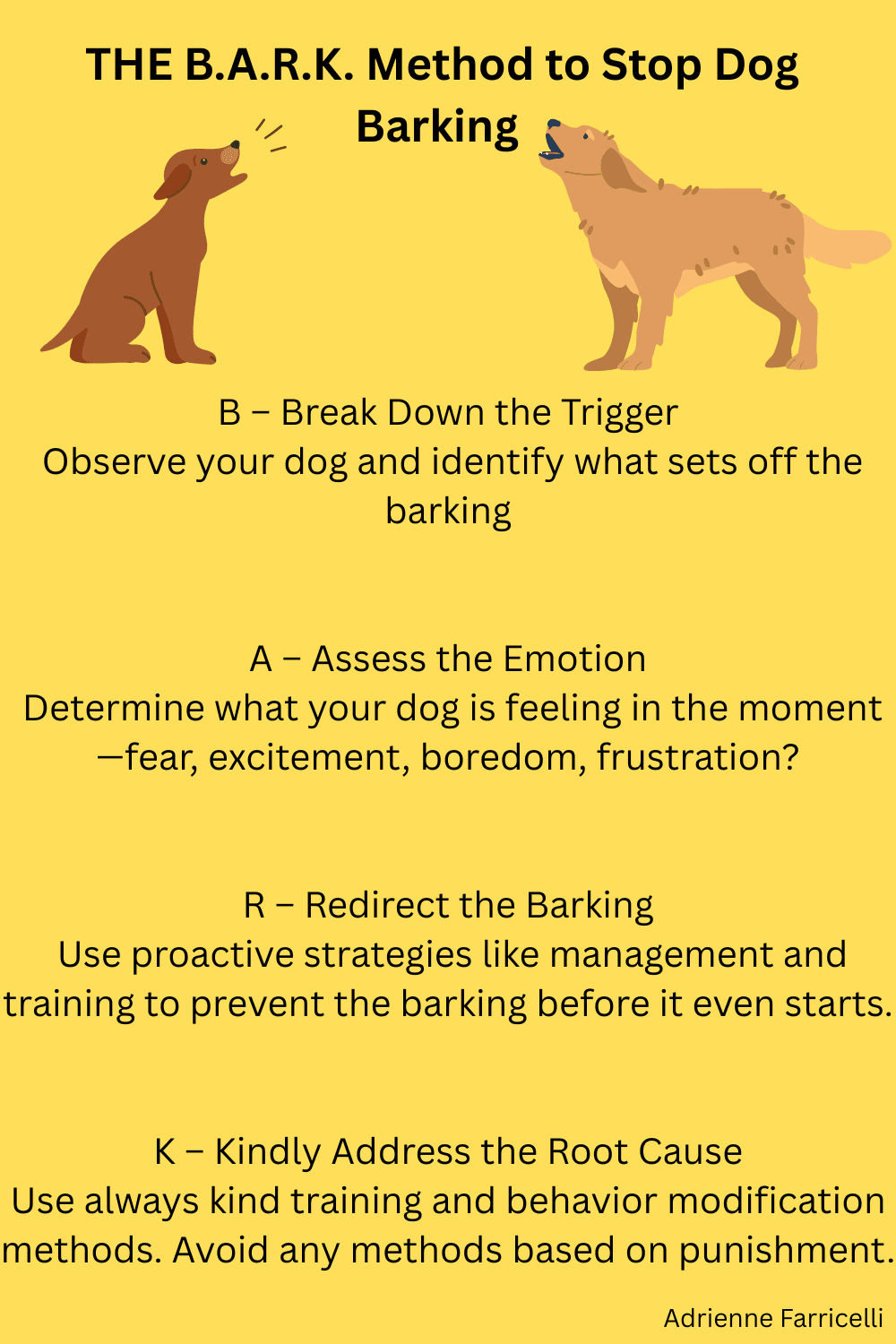
When it comes to common canine behavioral issues, excessive barking at passersby is a frequent concern for many dog owners. This article will guide you through effective strategies to curb this behavior, drawing from expert techniques that focus on understanding your dog’s motivations and redirecting their energy positively.
Understanding Dog Barking Behavior
Dog barking is a natural form of communication, but it can become problematic when constant or triggered by everyday occurrences like people walking near your home. As a dog behaviorist, I’ve found that many owners mistakenly believe scolding their dog will solve the problem. However, this often intensifies the barking. The key to effectively stopping dog barking lies in understanding the underlying reason for it. Is your dog barking out of fear, territoriality, excitement, or something else? The best approach to fixing a dog barking problem depends heavily on this diagnosis. Learn more about dog behavior and training.
In many cases, like with a dog named Bobo, the barking stems from a territorial or alerting instinct. When dogs feel their space is being invaded, they may bark to warn the perceived intruder. To address this, the goal is to alter your dog’s perception of these passersby from a threat to something neutral or even positive.
Strategies to Prevent Territorial Barking
A highly effective method to stop dogs from barking at people near your home involves managing their environment and reinforcing desired behavior. This technique focuses on creating positive associations rather than punishing the barking.
The Positive Reinforcement Approach
One of the most crucial tips for tackling dog barking problems is to practice training in a controlled environment where you can set your dog up for success. Trying to correct barking in the heat of the moment is rarely effective. Instead, arrange the situation so you can manage the distance between your dog and the trigger (people walking by).
When your dog notices someone but refrains from barking because the distance is sufficient, offer positive reinforcement. This could be a high-value treat or verbal praise. By consistently rewarding your dog for not barking in these managed situations, you help them develop a positive emotional response towards people outside. Over time, this can significantly reduce or eliminate territorial barking. It is recommended to practice this exercise several times a day for a few weeks to help establish new habits. For preventing unwanted behaviors, it’s also beneficial to avoid situations where your dog habitually barks. Discover tricks to get your dog to stop barking.
Environmental Management
For dogs that can see through fences, visual barriers can be extremely helpful. Consider using a large banner or bamboo reed matting to hang outside the fence. This can block the visual stimulus of people passing by, preventing the dog from practicing the barking behavior. This barrier can be temporarily removed during your managed training sessions to work on the desired no-barking behavior. This dual approach of training and environmental management is key to long-term success. Explore solutions for stopping a dog from pulling when walking, as consistent training applies to various issues.
Reinforcing Good Behavior and Structure
Beyond addressing specific barking issues, reinforcing general good behavior is vital for a well-adjusted dog. This includes:
- Celebrating Desired Behaviors: Actively reward your dog when they exhibit good manners or calm behavior, especially in situations that might typically trigger barking.
- Dog Consent and Body Language: Understanding your dog’s signals is crucial. Pay attention to their body language to gauge their comfort levels and avoid pushing them into stressful situations. Learn about dog consent.
- Mental Stimulation: Engage your dog with mental games like “cookie in the corner” to keep their minds active and reduce boredom, which can sometimes contribute to excessive barking. Try fun mental stimulation games.
- Rules and Structure: A predictable routine with clear rules and boundaries provides security for your dog, particularly for those who are fearful or reactive.
By implementing these strategies consistently, you can help your dog become calmer and more confident, leading to a more peaceful environment for everyone. Remember, patience and positive reinforcement are your most powerful tools in shaping your dog’s behavior.
