
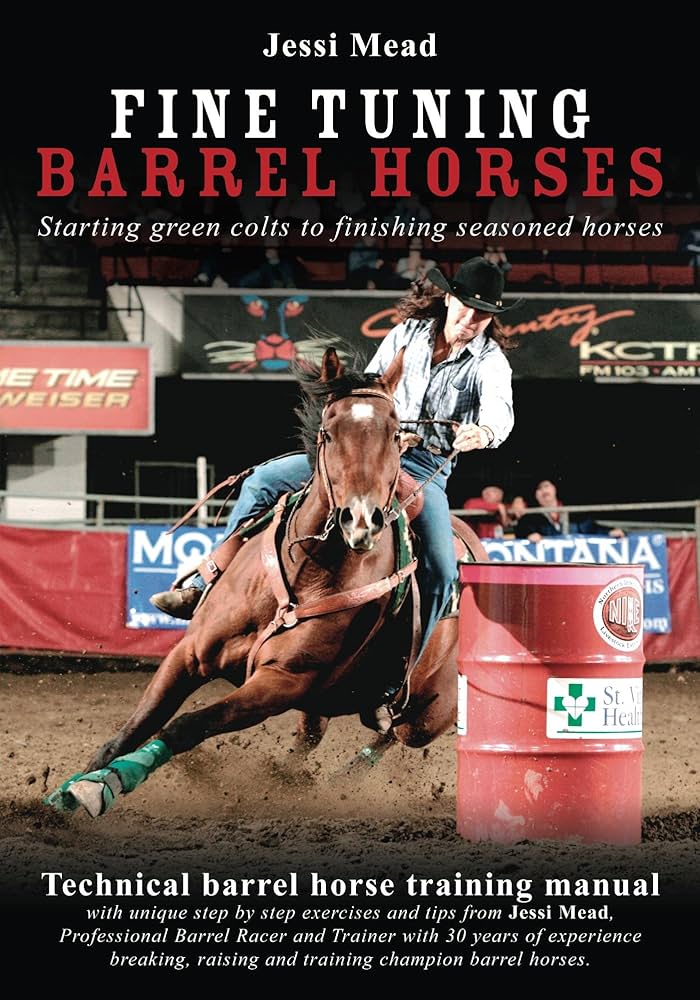
Embarking on the journey of training a horse for barrel racing is an exciting endeavor, blending the athleticism of the horse with the skill of the rider. This discipline demands a strong partnership built on trust, clear communication, and consistent training. Whether you’re a seasoned equestrian looking to refine your skills or a newcomer to the sport, understanding the foundational steps is crucial for success and the well-being of your equine partner. This guide will walk you through the essential phases of starting barrel racing training, ensuring a solid groundwork for a promising future in the arena.
Barrel racing is more than just speed; it’s about finesse, control, and the horse’s willingness to work with its rider. The core of this sport lies in executing a cloverleaf pattern around three barrels as quickly as possible. However, achieving this requires a horse that is not only fast but also agile, responsive, and confident. The training process, therefore, must focus on developing these attributes progressively and ethically.
The Foundation: Building Blocks for Barrel Racing Success
Before even thinking about barrels, a horse needs a solid foundation in basic horsemanship. This includes a good understanding of voice commands, leg cues, and body language. A horse that is well-broke, supple, and responsive to aids will make the transition to pattern work much smoother and safer.
Groundwork Essentials
Groundwork is paramount in establishing a strong bond and clear communication with your horse. Before mounting, ensure your horse respects your space, responds to vocal cues, and understands basic lead work. Exercises such as lunging, leading, and desensitization to various stimuli (like flapping objects or strange noises) build confidence and obedience. A horse that is calm and attentive on the ground will be more receptive to training under saddle.
Basic Under-Saddle Training
Once your horse is comfortable and responsive on the ground, you can begin focusing on ridden work. This involves:
- Suppling Exercises: Exercises like serpentines, large circles, and figure-eights help improve the horse’s flexibility, balance, and responsiveness to the rider’s aids. This is crucial for teaching the horse to bend and move its body correctly through turns. Using horse training bits that promote suppleness can be beneficial.
- Responding to Aids: Ensure your horse clearly understands and responds to your leg cues (forward, collection, disengeneration), seat, and rein pressure. The goal is for the horse to move off your leg and yield to pressure.
- Smooth Transitions: Practicing smooth and controlled transitions between gaits (walk to trot, trot to canter, and vice versa) is essential. This builds responsiveness and allows for better control during the pattern.
Introducing the Barrel Pattern: Gradual Steps
Introducing barrels should be a slow and positive experience for the horse. The primary goal at this stage is not speed, but rather teaching the horse the pattern and how to navigate it safely and correctly.
The “Around the Pen” Method
One effective method is to start by setting up barrels in a large circle or in a line across the arena.
- Familiarization: Allow your horse to walk calmly around the barrels. You can lead them around the barrels first, then ride them. The aim is to let them see and smell the barrels without any pressure.
- Pattern Introduction (Walk/Trot): Begin by trotting a large, looping pattern around the barrels. Focus on guiding your horse into a wide, controlled turn around each barrel, rather than a sharp cut. The horse should learn to look through the turn and carry its impulsion.
- Introducing the Canter: Once the horse is comfortable and responsive at a trot, gradually introduce the canter. Start with a large, sweeping canter, focusing on maintaining balance and a smooth arc around the barrels.
Teaching the Turn: The Heart of Barrel Racing
The turn is the most critical element in barrel racing. A well-executed turn saves valuable seconds and allows the horse to maintain momentum.
- Body Position: Teach your horse to drive off its hindquarters and bend its body around the barrel. This requires the rider to position their body correctly, leaning with the turn and using their inside leg to encourage the horse to drive forward and around.
- Rider’s Aids: The rider’s inside leg at the girth encourages the horse to push off and bend. The outside leg, positioned further back, helps control speed and impulsion. The reins should be used subtly to guide the horse’s head and neck, but the primary control comes from the seat and legs.
- Focus on Arc, Not Sharpness: Initially, emphasize a large, smooth arc around the barrel. As the horse becomes more comfortable and understands the concept, you can gradually tighten the turn. Pushing too hard for a sharp turn too soon can lead to the horse becoming confused, resistant, or running wide.
Refining the Pattern: Building Speed and Efficiency
Once your horse understands the pattern and can navigate the barrels at a canter, you can begin working on increasing speed and efficiency.
Speed Drills
- Alternating Turns: Practice running the pattern, focusing on making each turn sharper and faster. Alternate the direction of the pattern to ensure the horse is equally proficient in both directions.
- “One-Eighth” Turns: For an advanced maneuver, you can practice a “one-eighth” turn, where the horse essentially pivots around the barrel, changing direction with minimal loss of momentum. This requires significant training and a deep understanding between horse and rider.
- Running to a Point: Practice running towards a designated point past the barrel, encouraging the horse to maintain speed and drive through the turn.
Maintaining Horse Welfare and Confidence
Throughout the training process, it’s vital to prioritize your horse’s physical and mental well-being.
- Positive Reinforcement: Reward your horse frequently for correct responses and effort. This can be verbal praise, a pat, or a brief cessation of work.
- Avoid Overworking: Keep training sessions short and focused, especially in the beginning. Avoid pushing your horse beyond its physical or mental limits, which can lead to burnout, fear, or injury.
- Vary Training: Mix up your training sessions. Don’t just practice the pattern every day. Incorporate groundwork, trail riding, and other exercises that keep your horse engaged and prevent boredom. This also helps to reinforce the how to train your horse to barrel race principles in different contexts.
- Listen to Your Horse: Pay close attention to your horse’s body language. Signs of stress, fatigue, or confusion should be addressed immediately. Take breaks, reassess your training methods, and ensure your horse is still enjoying the process.
The Role of Equipment
Proper equipment plays a significant role in effective barrel racing training.
- Saddle: A well-fitting barrel saddle provides the rider with the necessary security and stability to maintain their position during sharp turns.
- Bridle and Bit: As mentioned earlier, the choice of bit is important. A bit that allows for clear communication without causing discomfort is ideal. Many barrel racers use a shanked bit, but its effectiveness depends on the rider’s ability to use it with finesse. Understanding training bits for barrel horses can guide your selection.
- Leg Protection: Boots or wraps for the horse’s legs are essential to protect against impact with barrels or other injuries during high-speed maneuvers.
Common Challenges and Solutions
- Horse Runs Wide: This often indicates a lack of impulsion through the turn or confusion about the rider’s aids. Focus on improving the horse’s drive from the hindquarters and ensure clear cues are given with the inside leg.
- Horse Drifts or Slows Down: This can be due to fear, lack of confidence, or physical discomfort. Go back to basics, ensure the horse is supple, and make the turns a positive experience.
- Horse Doesn’t Understand the Pattern: Revisit the introduction phase, using larger loops and more guidance. Ensure the horse understands lead changes and responds to directional cues.
Moving Forward: Consistency is Key
Training a horse for barrel racing is a marathon, not a sprint. Consistency in your training, clear communication, and a deep understanding of your horse’s needs are the cornerstones of success. Celebrate small victories, remain patient through challenges, and always strive to build a partnership based on mutual respect and trust. As you progress, you might find resources like horse racing name search or information on thoroughbred racing horses for sale helpful in understanding the broader context of equestrian sports, but your primary focus remains on your current equine partner’s development.
