
Embarking on the journey of training a horse is one of the most rewarding experiences an equestrian can have. It’s a path of mutual respect, deep connection, and incredible learning. But knowing How To Start Training A Horse can feel daunting. It’s not just about teaching commands; it’s about building a partnership from the ground up. This guide will walk you through the essential first steps, ensuring you and your equine companion begin your journey on the right foot, establishing a foundation of trust and communication that will last a lifetime. For a deeper dive into specific techniques, understanding how to start liberty training with your horse can offer profound insights into this connection.
Before You Begin: Building a Foundation of Trust
Before you even think about cues or commands, your primary goal is to establish a strong, trusting bond with your horse. A horse that sees you as a safe and consistent leader is a horse that is ready and willing to learn. This foundational phase is built on patience, quiet observation, and positive interactions.
Spend quality time with your horse that doesn’t involve any demands. Grooming is a fantastic tool for this; it allows the horse to get comfortable with your touch and presence in a relaxing way. Simply being in the pasture with them, allowing them to approach you on their terms, builds confidence. This period is about showing them that you are a source of comfort, not pressure.
Essential Groundwork: The Language of Horsemanship
Groundwork is the bedrock of all horse training. It’s where you establish leadership, teach basic manners, and open lines of communication. These exercises are not just about obedience; they teach your horse to be a safe, responsive, and confident partner.
Mastering the Halter and Lead Rope
Your first formal lessons will involve getting your horse comfortable with a halter and lead rope. This is their first introduction to responding to gentle guidance.
- Accepting the Halter: Make haltering a calm and positive experience. Approach your horse’s head slowly, without startling them, and gently place the halter. Reward their acceptance with a soft word or a gentle scratch.
- Leading: A well-trained horse should walk calmly beside you, neither pulling ahead nor lagging behind. They should stop when you stop and respect your personal space. Practice walking, halting, and turning in a safe, enclosed area. Use light, gentle pressure on the lead rope to guide them, releasing the pressure instantly the moment they respond correctly.
 A woman in an arena teaching a calm brown horse to yield to pressure from a lead rope, demonstrating a key step in how to start training a horse.
Yielding to Pressure
This is one of the most critical concepts in horse training. Yielding to pressure means teaching the horse to move away from a light, steady pressure, whether it’s from a lead rope, your hand, or eventually, your leg.
Start by applying gentle, steady pressure with your fingertips to their side. The moment the horse shifts its weight or moves away, even slightly, remove the pressure immediately and praise them. This teaches them that yielding is the correct and comfortable response. This principle is the foundation for almost every future command, from turning to stopping.
According to equine behaviorist Dr. Eleanor Hastings, “The release of pressure is the horse’s ultimate reward. It’s not about forcing the horse to move, but about teaching them to find comfort by responding to your cue. This builds a thinking partner, not a reactive animal.”
Introducing Tack and Equipment
Once your horse is confident with groundwork, you can slowly begin to introduce the equipment they will wear when ridden. The key to this process is gradual desensitization. Never rush it. You can explore different training philosophies, and some find that techniques like dancing at liberty horse training build an even stronger foundation before introducing tack.
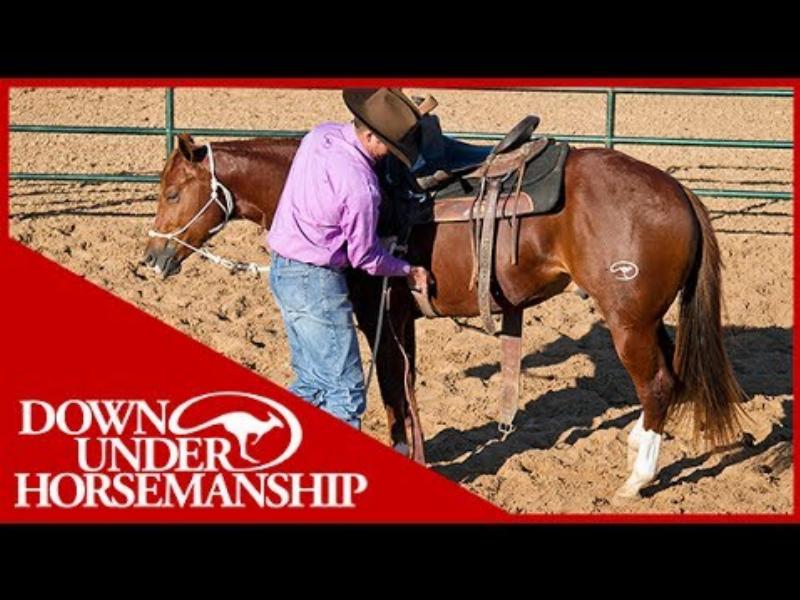
Start with a saddle pad, letting the horse see and sniff it before gently placing it on their back. Do this for short periods over several days, rewarding them for their calm acceptance. Gradually introduce the saddle in the same way, allowing them to get used to its weight and feel without any expectation of being ridden. Let them walk around with the saddle on so they understand it’s not something to fear.
Core Principles for a Successful Journey
As you progress, certain principles should guide every interaction you have with your horse. Keeping these at the forefront of your mind will help you overcome challenges and build a truly remarkable partnership.
- Patience is Paramount: Every horse learns at a different pace. There will be good days and challenging days. Pushing a horse too fast or out of frustration will only create fear and resistance, setting your training back significantly.
- Consistency is Key: Use the same cues for the same commands every single time. Horses thrive on routine and predictability. Inconsistent signals will confuse your horse and undermine their confidence in your leadership.
- Keep Sessions Short and Positive: A young or green horse has a short attention span. It’s far more effective to have a 15-20 minute positive, successful session than a frustrating hour-long one. Always try to end on a good note, when the horse has successfully responded to a cue.
Training a horse is a significant commitment, and it’s important to understand all aspects, including the financial side. As you advance, you might consider professional help, and being aware of typical race horse trainer fees can provide a useful benchmark for the costs of expert guidance, even if you aren’t training for the track.
Frequently Asked Questions (FAQ)
What is the best age to start training a horse?
Light groundwork and handling can begin when a horse is a foal to teach them basic manners. However, more formal groundwork typically starts when the horse is around two years old. Most experts agree that horses should not be ridden until they are physically mature, usually around four years old, to prevent strain on their developing joints and bones.
Can I train a horse by myself as a beginner?
While it is possible, it is highly recommended that beginners work under the guidance of an experienced trainer. A professional can ensure your safety and the horse’s, help you interpret horse behavior correctly, and teach you the proper timing and techniques that are crucial for success.
How long does it take to train a horse?
There is no set timeline. It depends on the horse’s age, temperament, past experiences, and the consistency of the training. The initial “starting” or “breaking” process can take a few months, but training is truly a lifelong journey of continuous learning for both horse and rider.
What are the most basic commands a horse should know?
The most fundamental commands learned through groundwork are to walk on, halt, back up, and yield to pressure (moving away from you). These basics ensure the horse is safe to handle and responsive to your cues before you ever think about getting in the saddle.
How do I know if my horse trusts me?
A horse that trusts you will be relaxed in your presence. They will show soft eyes, relaxed ears, and may even rest a hind leg. They will be willing to be caught in the pasture, allow you to handle their entire body, and look to you for guidance in new or scary situations.
Conclusion
Learning how to start training a horse is to commit to a journey of patience, empathy, and deep learning. It’s about more than just riding; it’s about building a language between two different species. By focusing on a foundation of trust, mastering essential groundwork, and adhering to principles of patience and consistency, you will forge an unbreakable bond with your equine partner. This careful beginning is the key to unlocking a future of shared adventures and mutual understanding.
