
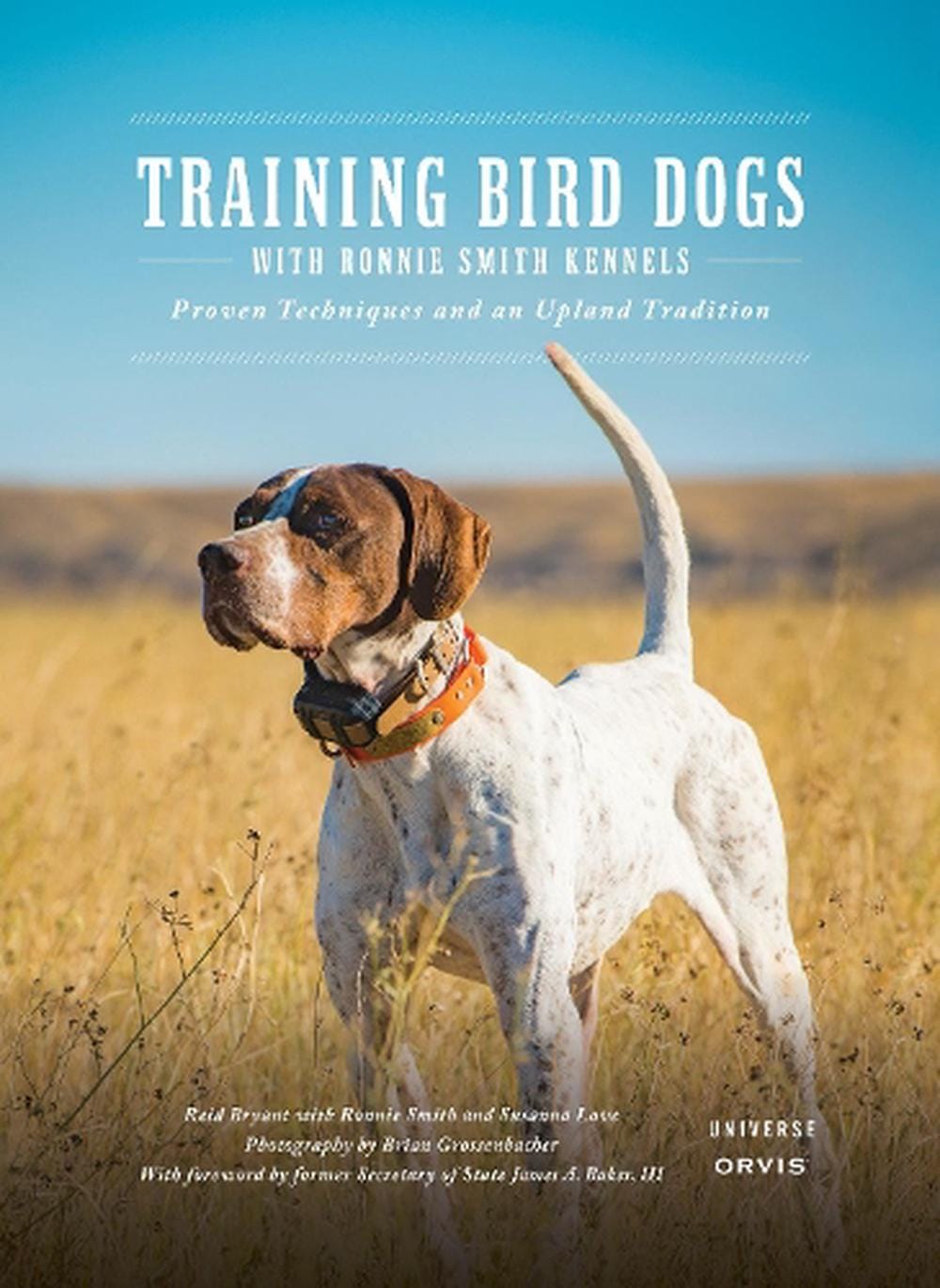
Embarking on the journey of training a bird dog is an incredibly rewarding experience, forging a bond between you and your canine companion built on trust, communication, and shared purpose. Whether you dream of hitting the field for upland game or simply want a well-behaved dog with a natural retrieving instinct, understanding the fundamentals of bird dog training is key. This guide is designed to equip you with the essential knowledge and steps to begin this exciting adventure, focusing on positive reinforcement and building a strong foundation for success.
The Foundation: Understanding Your Bird Dog’s Instincts
Bird dogs, by their very nature, possess a unique set of instincts honed over centuries of selective breeding. These instincts include a strong prey drive, a desire to retrieve, and often, a specific way of locating game – whether it’s pointing, flushing, or retrieving. Recognizing and working with these natural inclinations, rather than against them, is the cornerstone of effective training.
Breed Considerations
While many breeds excel as bird dogs, their specific traits can influence training approaches. For example:
- Pointing Breeds (e.g., German Shorthaired Pointers, English Setters): These dogs are bred to locate game birds and freeze in a “point,” indicating the bird’s location to the hunter. Training often focuses on solidifying the point and teaching steadiness.
- Flushing Breeds (e.g., Cocker Spaniels, Springer Spaniels): These dogs are designed to “flush” birds out of cover, making them fly so the hunter can shoot. Training emphasizes energetic searching and flushing.
- Retrieving Breeds (e.g., Labrador Retrievers, Golden Retrievers): Masters of fetching, these dogs are invaluable for recovering downed game. Training focuses on eager retrieving and “soft mouth” delivery.
Understanding your dog’s breed characteristics will help you tailor your training methods.
Getting Started: Essential Preparations
Before you even introduce your dog to a bird wing or a training dummy, there are crucial preparations to make. A solid groundwork ensures a smoother training process and prevents the development of bad habits.
Early Socialization and Basic Obedience
- Socialization: Exposing your puppy to a variety of sights, sounds, people, and other well-behaved dogs is paramount. This helps them become confident and well-adjusted, which is vital for hunting scenarios with other dogs and people. [cite: WHEN TO START TRAINING A BIRD DOG] highlights the importance of early training.
- Basic Obedience: A strong grasp of basic commands like “sit,” “stay,” “come,” and “heel” is non-negotiable. These commands form the building blocks for more advanced bird dog work. A reliable “come” command, for instance, is essential for safety.
Essential Gear
You won’t need a vast amount of specialized equipment to start, but a few key items are beneficial:
- Leash and Collar: A comfortable, well-fitting collar and a sturdy leash are essential for control and safety.
- Training Dummy/Bumper: Soft, durable dummies are great for teaching retrieving.
- Bird Wings or Fowl Scents: Introducing the scent of game early on is crucial for stimulating natural instincts.
- Whistle: A good training whistle can be an effective long-distance communication tool.
- Optional: E-Collar: While controversial for some, e-collars can be a tool for advanced training and off-leash control when used by experienced trainers with a deep understanding of their dog’s behavior and proper application. Their use should always be secondary to positive reinforcement.
The First Steps: Introducing the Basics
The initial stages of training are about sparking interest and building positive associations with the concepts of retrieving and game.
Introducing the Dummy/Bumper
Start in a quiet, enclosed area. Entice your dog to chase and pick up the dummy. Reward any interaction with enthusiastic praise and a treat. Gradually introduce the “take it” or “fetch” command as they become more comfortable.
Introducing the Bird Scent
- Scent Introduction: Rub a bird wing or use a commercial scent product on the training dummy. Allow your dog to investigate it. The goal is to associate the scent with a positive experience (playing with the dummy).
- “Find it” Game: Hide the scented dummy in an easy-to-find spot and encourage your dog to “find it.” This builds their confidence in using their nose.
Developing Core Skills
Once your dog shows enthusiasm for the dummy and has a positive association with bird scent, you can begin developing more specific skills.
Force Fetching (Optional, but Recommended for Retrievers)
Force fetching is a method to ensure a dog will pick up and hold an object, even if they are hesitant. It involves gently guiding the dog’s mouth onto the object and rewarding them for holding it. This should be done patiently and positively.
Steadiness and Control
Steadiness is crucial. Your bird dog should wait patiently while game is flushed or retrieved.
- The “Stay” Command: Reinforce the “stay” command with the dummy. Place it a short distance away, have your dog “stay,” and then release them to retrieve it. Gradually increase the distance and duration.
- Introducing Distractions: Once “stay” is reliable, introduce mild distractions – another person walking by, a mild noise. The goal is to teach them to remain focused on your command amidst a world full of interesting things.
Introducing Live Birds (with Caution)
This is where the training truly comes to life, but it requires careful planning and execution to ensure safety and prevent the development of bad habits.
Controlled Environments
- Use of Quail Cages or Flight Pens: For pointing breeds, using a quail in a cage allows the dog to experience the scent and sight of game without the bird being able to escape. This helps solidify the pointing instinct.
- Training Dummies with Real Feathers: These can be a good intermediate step before live birds.
Safety First with Live Birds
- Trained Birds: If possible, use birds that have been trained to fly short distances or stay within a specific area.
- Supervision is Key: Never leave a dog unsupervised with live birds.
- Gentle Introduction: Start with short, controlled introductions. Observe your dog’s reactions and progress. If they become over-excited or aggressive, back off and reinforce basic control commands.
Common Challenges and How to Address Them
Even with the best intentions, training can present hurdles.
Over-Excitement
If your dog gets too excited, they may become wild or disobedient. Go back to basics: enforce “sit” and “stay” before any retrieve. Keep training sessions short and positive to manage their arousal levels.
Soft Mouth vs. Hard Mouth
A “soft mouth” means the dog retrieves game without damaging it. If your dog tends to “kill” the retrieve, focus on rewarding gentle holding. You can practice with very soft objects and gradually move to harder ones.
Lack of Interest
Sometimes, a dog may show a lack of interest. Ensure you are using high-value rewards (praise, favorite treats, a special toy). Try different types of training dummies or scents. Make it a game!
The Journey Continues: Advanced Training and Beyond
As your bird dog progresses, you can move onto more advanced techniques, such as:
- Blind Retrieves: Retrieving a dummy thrown out of sight.
- Water Work: Training for retrieving from water.
- Working with Multiple Dogs: Introducing your dog to a pack environment.
- Field Trials and Hunt Tests: For those interested in competitive environments.
Remember that training is an ongoing process. Consistency, patience, and a positive attitude are your greatest assets. Celebrating small victories and building a strong partnership with your bird dog will make the entire experience a fulfilling adventure. With dedication, you’ll be well on your way to unlocking your dog’s full potential in the field.
