
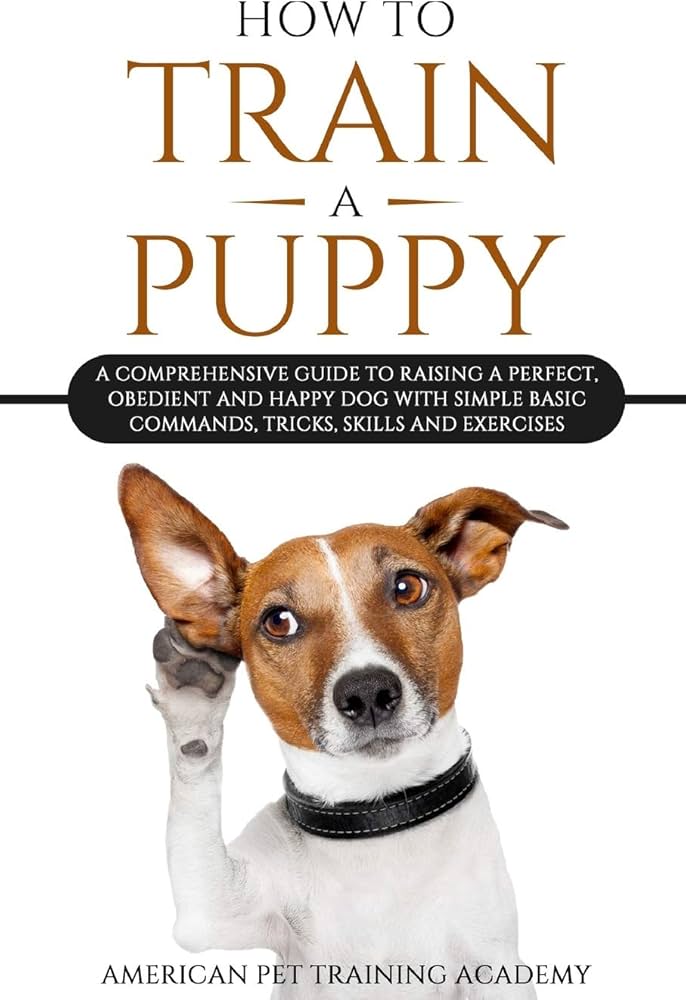
Bringing a new puppy home is an exciting time, filled with joy, cuddles, and a whole lot of learning. One of the most crucial aspects of setting your new furry family member up for success is effective puppy training. It’s not just about teaching them to sit or stay; it’s about building a strong bond, establishing clear communication, and ensuring your puppy grows into a well-behaved, confident adult dog. This guide will walk you through the essential steps and principles of How To Puppy Train Your Dog, making the process enjoyable and rewarding for both of you.
The journey of puppy training begins the moment your puppy enters your home. Consistency, patience, and positive reinforcement are the cornerstones of successful training. Think of it as teaching a new language – you need to be clear, consistent, and encouraging. Understanding your puppy’s developmental stage and tailoring your training methods accordingly is key. Whether you’re aiming for basic obedience or preparing for advanced roles, the foundational principles remain the same. Establishing a routine and creating a safe, stimulating environment will significantly aid your puppy’s learning process.
The Importance of Early Puppy Training
Why start training as soon as possible? Puppies are like sponges, absorbing information and forming habits at an incredible rate during their first few months. Early training helps to:
- Prevent Behavioral Problems: Addressing issues like nipping, chewing, and jumping early on can prevent them from becoming ingrained habits.
- Build a Strong Bond: Training sessions are prime opportunities for positive interaction, strengthening the trust and connection between you and your puppy.
- Socialize Your Puppy: Introducing your puppy to various sights, sounds, people, and other dogs in a controlled, positive way is vital for their social development. You can learn more about gun dog puppy training which emphasizes early socialization.
- Establish Clear Communication: Training teaches your puppy what you expect from them, and you learn to understand their cues and needs.
- Ensure Safety: Teaching commands like “come” and “leave it” can be life-saving in various situations.
Essential Puppy Training Principles
Before diving into specific commands, let’s cover the core principles that will guide your training efforts:
Positive Reinforcement
This is the most effective and humane approach to dog training. It involves rewarding your puppy for desired behaviors, making them more likely to repeat those actions. Rewards can include:
- Treats: Small, high-value treats that your puppy loves.
- Praise: Enthusiastic verbal praise like “Good boy!” or “Yes!”
- Affection: Petting, ear scratches, or a good belly rub.
- Toys: A favorite squeaky toy or a game of tug.
Avoid punishment-based methods, as they can lead to fear, anxiety, and aggression in dogs. Instead, focus on rewarding what you do want your puppy to do.
Consistency is Key
Everyone in the household should be on the same page regarding training commands, rules, and rewards. If one person allows the puppy on the couch and another doesn’t, the puppy will become confused. Use the same cues and reward the same behaviors consistently.
Keep Sessions Short and Fun
Puppies have short attention spans. Aim for training sessions that are 5-10 minutes long, a few times a day. Keep them engaging and end on a positive note, even if it’s just a simple command your puppy already knows. This prevents your puppy from becoming bored or frustrated.
Timing Matters
The reward should come immediately after the desired behavior occurs. This helps your puppy understand exactly what they are being rewarded for. If you wait too long, they might associate the reward with a different action.
Patience and Understanding
Every puppy learns at their own pace. Some pick things up quickly, while others take more time. Avoid getting frustrated. If your puppy isn’t grasping a concept, take a break, try a simpler variation, or revisit it later. Remember that puppy dog training classes can offer professional guidance and a structured environment.
Crate Training Your Puppy
Crate training is an invaluable tool for house training and providing your puppy with a safe den of their own. A crate can help prevent destructive chewing when unsupervised and can make traveling easier.
How to Crate Train:
- Introduce the Crate: Make the crate a positive place by tossing treats or their favorite toys inside. Never use the crate as a punishment.
- Comfortable Environment: Ensure the crate is the right size – large enough for your puppy to stand up, turn around, and lie down comfortably, but not so large that they can use one end as a bathroom. Add a soft bed or blanket.
- Gradual Acclimation: Start by leaving the door open with the puppy free to go in and out. Then, close the door for short periods while you are present, gradually increasing the duration.
- Feeding in the Crate: Feed your puppy their meals inside the crate with the door open or closed, depending on their comfort level.
- Nighttime: When you feel your puppy is ready, you can start leaving them in the crate overnight. You might need to take them out for potty breaks initially.
If your puppy whines or barks excessively in the crate, it usually means they need to go outside, are hungry, or are not yet comfortable. Do not let them out while they are fussing, as this reinforces the crying. Wait for a brief pause before opening the door.
House Training Your Puppy
House training, or potty training, requires diligence and consistency. The goal is to teach your puppy to eliminate outdoors.
Tips for Successful House Training:
- Establish a Routine: Take your puppy outside frequently, especially:
- First thing in the morning.
- After waking up from naps.
- After playing.
- After eating or drinking.
- Right before bedtime.
- Choose a Potty Spot: Consistently take your puppy to the same designated spot in the yard. The scent will encourage them to go.
- Praise and Reward: When your puppy successfully eliminates outdoors, offer immediate praise and a high-value treat. Make a big fuss!
- Supervise Closely: Keep a close eye on your puppy when they are indoors. Look for signs that they need to go, such as circling, sniffing the ground intensely, or squatting. If you see these signs, immediately take them outside.
- Accidents Happen: If an accident occurs indoors, do not punish your puppy. Simply clean it up thoroughly with an enzymatic cleaner to eliminate odors that might attract them back to the same spot. If you catch them in the act, interrupt them with a gentle sound and rush them outside.
- Limit Freedom: When you cannot supervise directly, confine your puppy to their crate or a puppy-proofed area. This is where puppy pad training vs outside becomes a relevant consideration, though many trainers advocate for direct outdoor training to avoid confusion.
Basic Obedience Commands
Once your puppy is settling in and you’ve made progress with crate and house training, you can start teaching basic obedience commands.
1. Sit
- How-to: Hold a treat near your puppy’s nose. Move the treat upwards and slightly back over their head. As their nose follows the treat, their rear end should naturally lower to the ground. The moment their bottom touches the floor, say “Sit!” and give them the treat and praise.
- Repetition: Practice this several times a day.
2. Come (Recall)
- How-to: Start in a quiet, enclosed area. Get down on your puppy’s level, use a happy, encouraging tone, and say their name followed by “Come!” As they run to you, clap your hands or pat your legs. When they reach you, reward them with treats, praise, and petting.
- Never Punish: Never call your puppy to come if you intend to scold them. This will make them reluctant to come when called in the future. Recall is a crucial skill, especially in advanced training like how to train your puppy to be a service dog.
3. Down
- How-to: Once your puppy knows “Sit,” hold a treat and lower it from their nose straight down between their front paws, then slide it along the floor away from them. As they follow the treat, they should lie down. Say “Down!” as they are in the process and reward them when they are fully down.
- Patience: This command can take a bit longer for some puppies to grasp.
4. Stay
- How-to: Start with your puppy in a “Sit” or “Down” position. Hold your hand up in a “stop” signal and say “Stay.” Take one step back. If they remain in place, return and reward them. Gradually increase the distance and duration you ask them to stay before rewarding. If they move, gently reposition them and try again.
5. Leave It
- How-to: Place a low-value treat on the floor and cover it with your hand. Let your puppy sniff or paw at your hand. The moment they pull away, say “Leave it!” and give them a different, higher-value treat from your other hand. Once they understand this, progress to placing the treat on the floor uncovered, but be ready to cover it quickly if they try to grab it. Reward them for looking away from the treat. This command is vital for preventing them from picking up dangerous items.
Socialization: A Crucial Component
Socialization is the process of exposing your puppy to a wide variety of positive experiences during their critical developmental window (typically up to 16 weeks of age). Well-socialized puppies are less likely to develop fear-based behavioral issues later in life.
What to Socialize Your Puppy With:
- People: Different ages, genders, ethnicities, people wearing hats or uniforms, using walkers, etc.
- Environments: Parks, quiet streets, pet-friendly stores (once fully vaccinated), car rides.
- Sounds: Vacuum cleaners, doorbells, traffic, thunderstorms (at low volumes initially).
- Objects: Umbrellas, bicycles, skateboards, lawnmowers.
- Other Animals: Well-behaved, vaccinated adult dogs, cats, and other pets. Ensure these interactions are supervised and positive.
Introduce new experiences gradually and positively, always watching your puppy’s body language for signs of stress. If they seem overwhelmed, retreat and try again later at a slower pace. Enrolling in reputable k9 basics dog training reviews can be part of a comprehensive socialization plan.
Leash Training
Getting your puppy comfortable with a collar or harness and leash is essential for walks and outings.
Steps for Leash Training:
- Introduce Collar/Harness: Let your puppy wear a lightweight collar or harness for short periods indoors. Associate it with positive experiences like meal times or playtime.
- Attach the Leash: Once they are comfortable with the collar/harness, attach a lightweight leash and let them drag it around under supervision.
- Gentle Guidance: Start walking with your puppy indoors, using the leash to gently guide them. Reward them for walking beside you without pulling.
- Outdoor Walks: Transition to outdoor walks. Keep initial walks short and focused on positive experiences. If they pull, stop walking until the leash slackens, then continue.
Dealing with Common Puppy Behaviors
- Nipping and Biting: Puppies explore the world with their mouths. When they nip too hard during play, yelp loudly like a littermate would, and withdraw your hand. If they continue, briefly end the play session. Redirecting their chewing to appropriate toys is also crucial.
- Chewing: Provide plenty of appropriate chew toys. Puppy-proof your home by putting away anything valuable or dangerous they might chew.
- Jumping: When your puppy jumps up, turn away and ignore them. Only give them attention (praise, petting) when all four paws are on the floor.
When to Seek Professional Help
While most puppies can be successfully trained with consistent effort, some may benefit from professional guidance. Consider consulting a certified professional dog trainer or a veterinary behaviorist if you encounter:
- Severe fear or anxiety.
- Aggression (growling, snapping, biting).
- Persistent destructive behavior.
- Difficulty with house training despite consistent efforts.
- If you’re considering training for specific roles, like service dogs, professional guidance is essential.
Training your puppy is a marathon, not a sprint. It requires dedication, love, and a willingness to learn about your dog’s needs. By implementing these training principles and techniques, you’ll be well on your way to raising a happy, well-adjusted canine companion. Remember that every successful training moment is a building block for a lifelong friendship, reinforcing the unique story you and your dog will share.
