
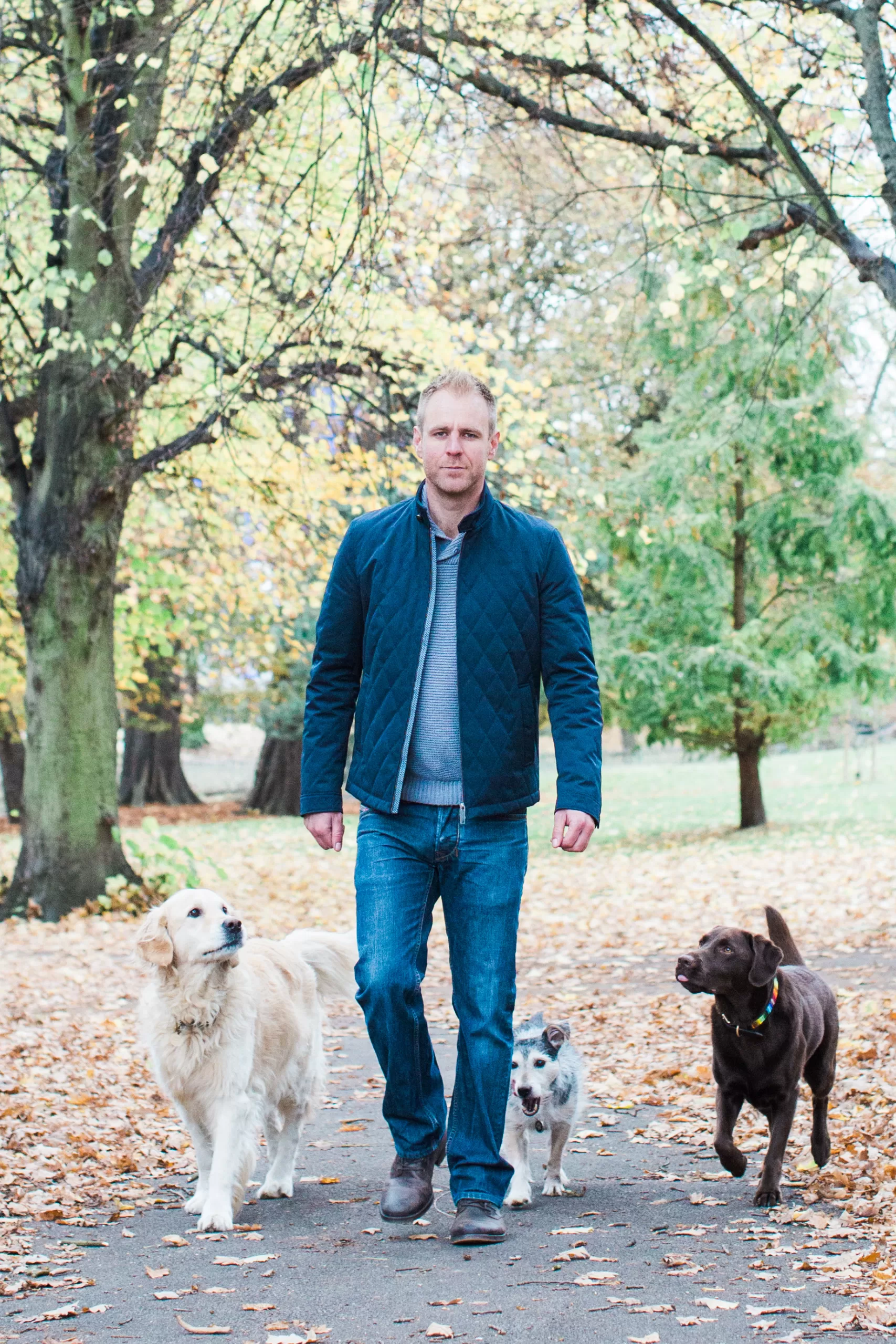
Leash walking is not an innate behavior for dogs; it’s a skill that requires consistent training and understanding from their owners. This guide will walk you through the essential steps and considerations for successfully leash training your dog, ensuring walks are enjoyable and safe for both of you. Walking your dog offers crucial physical and mental stimulation, and a leash is vital for their safety in public, often being a legal requirement.
The Importance of Leash Training
Beyond the legal and safety aspects, a dog well-accustomed to a leash has more opportunities to join their owners on adventures. This training is also key in preventing leash reactivity, a common issue where dogs exhibit heightened responses due to feeling restrained. The human side of the leash-walking equation also benefits; research suggests that walking a dog can reduce human stress, whereas a dog with difficult leash manners can increase it.
Essential Steps for Leash Training Your Dog
1. Cultivating a Strong Bond
A solid relationship built on consistency, predictability, and positive reinforcement is fundamental to successful leash training. This foundation helps alleviate potential feelings of vulnerability, frustration, or anxiety your dog might experience when tethered. If your dog struggles with distractions or doesn’t respond well to training, consulting a certified behavior consultant can provide valuable insights.
2. Equipping Yourself with the Right Gear
- Harness: While collars are suitable for ID tags, a well-designed harness is recommended for walks. Back-clip harnesses are a good choice for dogs that don’t pull excessively. For dogs prone to pulling, a dual-clip harness with a training lead offers better control.
- Head Halter: For stronger dogs, head halters can be an option, but they require careful introduction and proper usage to ensure safety and comfort for the dog.
- Leash: A non-retractable leash of an appropriate length is crucial. While there’s no strict rule, longer leashes (10-30 feet) can offer dogs a greater sense of freedom and encourage better walking habits. The ideal length often depends on the dog’s size and the handler’s skill.
- Treat Bag: A convenient treat bag with a waist strap is essential for keeping treats, poop bags, and personal items organized, allowing you to focus on your dog. Treats are vital motivators during training.
- Marker: A clicker or a verbal marker like “yes” clearly communicates to your dog the precise moment they perform the correct behavior.
3. Establishing a Conducive Training Environment
Begin training in a familiar, distraction-free environment, such as inside your home or backyard. This allows your dog to focus on learning without external stimuli. As training progresses, gradually move to quieter outdoor areas.
4. Initiating Off-Leash Practice
In a controlled, familiar space:
- Face your dog with treats ready. Place a treat on the ground, and as your dog eats it, slowly turn and begin walking.
- Mark and reward your dog for walking beside you with slack in an imaginary leash.
- Gradually increase the number of steps between marks and rewards.
- Once your dog is consistently walking with you, introduce a verbal cue like “Let’s go” before you start walking.
5. Introducing the Leash and Harness
Allow your dog to become comfortable with the harness and leash before attempting a walk. Pair the gear with positive experiences like treats and play. If your dog shows significant distress, seek professional guidance. Getting your dog certified as a therapy dog involves similar desensitization processes for their equipment.
6. Practicing with Harness and Leash
Repeat the off-leash practice steps while your dog is wearing the harness and leash. Be patient as you begin to exit your home, as this can be a point of excitement and pulling for many dogs.
7. Exploring New Environments
Transition to quiet outdoor locations. Start with a longer leash, allowing your dog to explore and sniff. Periodically, get their attention, mark, and reward them for walking beside you for a few steps before releasing them to sniff again. Incorporate your walking cue and gradually increase the duration of heeling. Remember to allow your dog autonomy and choices during the walk, not requiring them to walk by your side constantly.
Tips for Successful Leash Training
- Pre-walk Play: For energetic dogs, a short play session before training can help expend excess energy.
- High-Value Rewards: Use special treats that your dog only receives during leash training sessions to increase motivation.
- Sniff Walks: Dedicate some walks solely to allowing your dog to explore at their own pace.
- Reinforce Attention: Reward your dog every time they check in with you while on leash.
- Manage Pulling: If your dog pulls, stop moving and wait for the leash to slacken before resuming. Avoid harsh corrections; instead, reward the release of tension and consider walking in the opposite direction to re-establish the training focus. Teaching your dog to sit can be a useful tool when they pull.
Consistent application of these techniques will transform leash outings into a rewarding experience for both you and your canine companion.
