
Bringing a new dog into your home is an incredibly rewarding experience, but it also comes with the responsibility of shaping them into a well-behaved member of your family. Proper dog training is not just about teaching commands; it’s about building a strong bond, fostering clear communication, and ensuring your dog’s safety and happiness. This guide will walk you through the essential steps and principles of How To Properly Train A Dog, setting you and your canine companion up for success.
The journey of training a dog begins the moment they enter your life. Whether you’ve adopted a puppy or an adult dog, consistent and positive reinforcement are key. Understanding your dog’s motivations, their learning style, and applying the right techniques will make the process enjoyable and effective. Remember, patience and a positive attitude are your most valuable tools.
Understanding Dog Training Principles
Before diving into specific commands, it’s crucial to grasp the fundamental principles of effective dog training. These principles form the foundation upon which all successful training is built.
Positive Reinforcement: The Cornerstone of Training
Positive reinforcement is the most widely recommended and effective method for training dogs. It involves rewarding your dog for desired behaviors, making them more likely to repeat those actions in the future. Rewards can include:
- Treats: Small, high-value treats are excellent motivators, especially when learning new behaviors.
- Praise: Enthusiastic verbal praise (“Good dog!” “Yes!”) delivered in a happy tone.
- Affection: A good scratch behind the ears or a gentle pat.
- Play: A quick game of fetch or tug can be a great reward.
The key is to reward the desired behavior immediately after it occurs, so your dog clearly associates the action with the positive outcome. This immediate connection is vital for effective learning.
Consistency is Crucial
Inconsistency is one of the biggest hurdles in dog training. If you sometimes allow your dog on the furniture and other times don’t, or if different family members have different rules, your dog will become confused. Establish clear rules and ensure everyone in the household adheres to them. This consistency helps your dog understand expectations and reduces the likelihood of them developing unwanted habits. This applies to everything from how to properly potty train a dog to leash manners.
Timing Matters
As mentioned, timing is everything in positive reinforcement. Your reward needs to happen within a second or two of the desired behavior. If you’re too slow, your dog might associate the reward with whatever they were doing after the desired action. This is where clicker training can be incredibly beneficial. A clicker provides a precise marker for the exact moment your dog performs the correct behavior, followed by a reward.
Keep Training Sessions Short and Fun
Dogs, especially puppies, have short attention spans. Aim for multiple short training sessions throughout the day (5-10 minutes each) rather than one long, drawn-out session. These brief interactions help keep your dog engaged and prevent them from becoming bored or frustrated. End each session on a positive note, even if it’s with a simple command they’ve already mastered.
Essential Commands Every Dog Should Know
Mastering a few basic commands provides a solid foundation for obedience and safety. Here are the most important ones to focus on:
1. Sit
This is often the first command dogs learn. It’s useful for managing your dog’s excitement and can be a precursor to other commands.
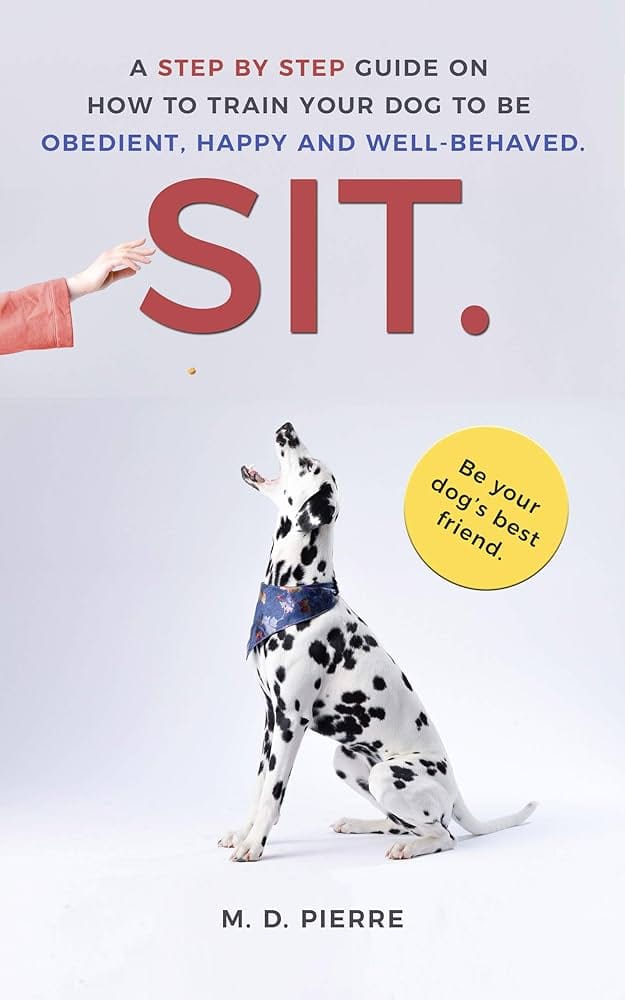
- How to teach: Hold a treat near your dog’s nose. Move the treat slowly upwards and slightly back over their head. As their nose follows the treat, their rear end should naturally lower to the ground. The moment their bottom touches the floor, say “Sit!” and give them the treat and praise.
- Troubleshooting: If your dog jumps up, you’re likely holding the treat too high. If they back away, try luring them towards a wall to prevent them from moving backward.
2. Stay
“Stay” teaches impulse control and is vital for your dog’s safety, preventing them from running into dangerous situations.
- How to teach: Once your dog is in a “Sit” or “Down” position, say “Stay” and hold your hand out flat, palm facing them. Take one step back. If they remain in place, return to them, reward them, and release them with a release word like “Okay!” or “Free!” Gradually increase the distance and duration you ask them to stay.
- Troubleshooting: If your dog breaks the stay, don’t scold them. Simply lead them back to their original spot and try again with a shorter distance or duration.
3. Come (Recall)
A reliable recall is arguably the most important command for your dog’s safety. It ensures they will return to you when called, no matter the distraction.
- How to teach: Start in a quiet, enclosed area. Get your dog excited and then call their name followed by “Come!” As they run towards you, back away to encourage them to chase you. When they reach you, reward them generously with praise and treats. Never call your dog to punish them; this will make them reluctant to come when called in the future. Using a long leash can be helpful in more open areas.
- Troubleshooting: If your dog is hesitant, try making yourself more exciting – crouch down, clap, or use a playful tone. Avoid repeating the command multiple times if they don’t respond; this teaches them that “Come” is optional.
4. Down
Similar to “Sit,” “Down” is a calming command that can help your dog relax.
- How to teach: With your dog in a sit position, hold a treat near their nose. Lower the treat straight down between their front paws, then slowly drag it along the floor away from them. Their body should follow the lure into a down position. Say “Down” as they are lowering, and reward them when they are fully down.
- Troubleshooting: If your dog stands up, you might be moving the lure too far away or too quickly. If they try to paw at the treat, ensure you are holding it firmly.
Potty Training Your Dog
Potty training is a fundamental aspect of how to properly potty train a dog and requires patience and consistency.
Establishing a Routine
- Frequent Outings: Take your puppy or new dog outside frequently, especially after waking up, after meals, after playtime, and before bedtime.
- Designated Spot: Take your dog to the same spot in the yard each time. The familiar scent can encourage them to go.
- Reward Success: When your dog eliminates outside, praise them enthusiastically and offer a high-value treat immediately. This reinforces that going outside is a good thing.
Handling Accidents
Accidents are inevitable, especially with puppies. The key is to not punish your dog after the fact. If you catch them in the act, calmly interrupt them and immediately take them outside to their designated spot. Clean up accidents thoroughly with an enzymatic cleaner to eliminate odors that might attract them back to the same spot. Punishment after the fact will only make your dog fearful of you and may cause them to hide their accidents.
Leash Training: Walking Nicely
Walking on a leash without pulling is a skill that requires training. A best leash for training a dog to walk can be helpful, but the technique is paramount.
Loose-Leash Walking
- Start Indoors: Begin in a low-distraction environment like your home.
- Reward Slack: Whenever the leash is loose, reward your dog with treats and praise.
- Stop When Pulling: If your dog pulls ahead, stop walking immediately. Only resume walking when the leash slackens. This teaches them that pulling stops the walk.
- Change Direction: If they continue to pull, you can also change direction. This makes them pay more attention to where you are going.
Socialization: Building a Confident Dog
Socialization is the process of exposing your dog to various people, places, sounds, and other animals in a positive way. Proper socialization is critical for developing a well-adjusted and confident dog, reducing the risk of fear-based aggression or anxiety.
Puppy Socialization Window
The critical socialization period for puppies is typically between 3 to 16 weeks of age. During this time, puppies are more receptive to new experiences. Safely expose them to:
- Different People: Adults, children, people with hats, beards, etc.
- Other Dogs: Well-behaved, vaccinated adult dogs or other puppies in a controlled setting.
- Environments: Different surfaces, noises (traffic, vacuum cleaners), car rides.
- Handling: Gentle handling of paws, ears, mouth.
Socializing Adult Dogs
While the critical window is for puppies, adult dogs can also benefit from careful socialization. Introduce them to new experiences gradually and positively, always ensuring they feel safe and comfortable. If your dog shows signs of fear or anxiety, do not force the interaction; seek guidance from a professional trainer or behaviorist.
Addressing Common Behavioral Issues
Even with the best training, some behavioral issues may arise. Understanding the cause and applying appropriate solutions is key.
Barking
Excessive barking can be due to boredom, attention-seeking, fear, or territoriality. Identify the trigger and address it. For boredom, increase exercise and mental stimulation. For attention-seeking, ignore the barking and reward quiet behavior.
Chewing
Chewing is a natural behavior, especially for puppies. Ensure your dog has plenty of appropriate chew toys. Puppy-proof your home by removing tempting items. For destructive chewing in adult dogs, increase exercise and mental stimulation, and consider professional advice. This is something that train dog to poop might be confused with by owners.
Jumping
Dogs often jump to greet people. Teach them an alternative greeting behavior, such as sitting. Reward them for sitting when greeting, and ignore them (turn away) when they jump.
When to Seek Professional Help
While many behavioral issues can be resolved with consistent training and patience, some may require professional intervention. If you are struggling with aggression, severe anxiety, or persistent behavioral problems, consult a certified professional dog trainer or a veterinary behaviorist. They can provide tailored advice and strategies for your specific situation. For instance, understanding how to become a certified dog trainer online can help you find qualified professionals.
Training your dog is an ongoing process that deepens your relationship and enhances your dog’s quality of life. By applying these principles of positive reinforcement, consistency, and understanding, you can effectively train your dog and enjoy a lifetime of companionship. Remember, every dog is an individual, so adapt these methods to suit your dog’s unique personality and needs.
