
Bringing a new dog into your home is an incredibly rewarding experience, but the initial challenge of house training can feel overwhelming. Whether you have a brand-new puppy or a recently adopted adult dog, the path to an accident-free home is paved with patience, consistency, and a positive attitude. Understanding How To Potty Train A House Dog is less about discipline and more about clear communication and routine. This guide will walk you through the essential steps to build good habits that will last a lifetime, strengthening the bond between you and your furry companion.
The core principle of successful house training is positive reinforcement. Dogs are eager to please, and when they understand what you want from them, they are more likely to repeat the desired behavior. Forget old, punitive methods; modern, effective training focuses on rewarding success and managing the environment to prevent mistakes. A consistent schedule is your most powerful tool, helping your dog’s body and brain get into a predictable rhythm. This process is a foundational aspect of your life together and sets the stage for all future training. For owners facing specific setbacks, understanding why a potty trained dog peeing in house is a crucial step towards resolving the issue.
Understanding the Basics: A Dog’s Point of View
To effectively train your dog, it helps to see the world from their perspective. Dogs have a natural instinct to keep their den—the space where they sleep and rest—clean. This is the very reason why crate training can be such an effective tool in the house-training process. When you teach your dog that your entire home is their den, they will naturally want to avoid soiling it.
A puppy’s journey is different from an adult dog’s. Puppies have small bladders and are still developing physical control. They need frequent opportunities to go outside because they simply can’t hold it for long. An adult dog, on the other hand, may have the physical ability to hold it but might be unlearning old habits from a previous environment or may never have been trained at all. For them, the process involves creating new, positive associations with toileting outside. In both cases, your goal is to make it crystal clear where the designated “potty spot” is and that it’s the best place in the world to go.
Gearing Up for Success: Essential Potty Training Tools
Before you begin, setting yourself up with the right supplies will make the process smoother and more efficient. Having these items on hand ensures you’re prepared for every situation, from rewarding success to managing the inevitable accidents.
- High-Value Treats: These should be small, delicious treats that your dog absolutely loves and only gets during potty training. This makes the reward for going outside extra special.
- A Standard Leash and Harness: Keeping your dog on a leash for potty breaks—even in a fenced yard—is crucial. It ensures they stay on task and allows you to be right there to reward them the second they finish.
- A Crate: A crate serves as your dog’s personal den. It’s a safe space and an invaluable tool for preventing accidents when you cannot supervise them directly.
- Enzymatic Cleaner: Standard cleaners won’t cut it. You need an enzymatic cleaner specifically designed to break down and eliminate the odor molecules in pet urine. If your dog can still smell a previous accident spot, they will be drawn to use it again.
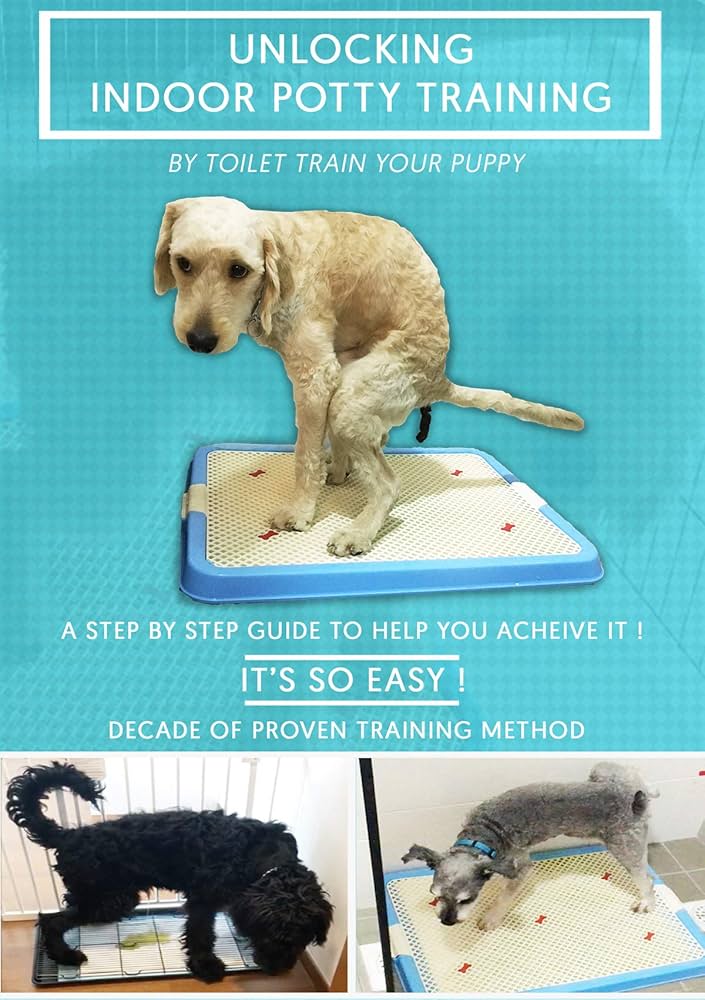
- Potty Pads: While the primary goal is to train your dog to go outside, washable dog training pads can be a useful tool for apartment dwellers, senior dogs with mobility issues, or as a temporary part of a long-term plan.
The Four Pillars of Potty Training Your Dog
Success in house training rests on four key pillars. By implementing all four consistently, you create a clear and easy-to-understand learning environment for your dog.
1. Establish a Rock-Solid Routine
Dogs thrive on predictability. A consistent schedule for potty breaks is the single most important element of house training. This helps regulate their bodily functions and reduces the chance of accidents.
- First Thing in the Morning: The very first thing you do when you wake up should be taking your dog outside.
- Last Thing at Night: Take them out right before you go to bed.
- After Meals: Puppies typically need to go out 15-30 minutes after eating.
- After Naps: Take them out as soon as they wake up from a nap.
- After Playtime: Excitement can stimulate the bladder, so a trip outside after a vigorous play session is always a good idea.
- Every Few Hours: For puppies, a general rule is that they can hold their bladder for their age in months plus one hour. So, a three-month-old puppy needs to go out at least every four hours.
A regular feeding schedule is also vital, as it leads to more predictable potty times. Avoid free-feeding and instead offer meals at the same times each day.
2. Master the Art of Supervision
When your dog is indoors and not in their crate, you must supervise them 100% of the time. Accidents happen in a split second. If you’re not watching, you can’t prevent them or redirect the behavior.
“Active supervision is non-negotiable in the early stages,” notes Dr. Eleanor Vance, a leading Canine Behaviorist. “It’s not about watching for mistakes, but about setting the dog up for success. Every trip outside that ends in a reward is a powerful lesson learned.”
If you can’t give your dog your undivided attention, use a management tool. You can keep them on a leash and tethered to you, or use baby gates to confine them to the room you’re in. When you absolutely cannot watch them (e.g., during a shower, a work call, or when you leave the house), they should be in their crate or a small, dog-proofed area.
3. Use Positive Reinforcement Effectively
This is where you teach your dog what you want them to do. The process is simple but requires perfect timing.
- Take your dog on a leash to their designated potty spot outside.
- Stand still and let them sniff. Be boring. This is a business trip, not playtime.
- As they start to urinate or defecate, quietly say your verbal cue, like “Go potty” or “Be quick.”
- The instant they finish, praise them enthusiastically and give them a high-value treat.
- Celebrate! A short play session right after a successful trip can also be a great reward.
Never punish your dog for having an accident. Scolding them or rubbing their nose in it will only teach them to fear you and to find sneakier places to eliminate indoors.
4. Handle Accidents with Grace
Accidents are a normal part of the process. How you react is critical.
- If you catch them in the act: Make a calm sound to interrupt them—a clap or a quick “Oops!”—just enough to get their attention. Don’t startle or scare them. Immediately lead them outside to their potty spot. If they finish outside, praise them and give them a treat.
- If you find the mess later: It’s too late. There is nothing to be gained by punishing your dog, as they won’t connect the punishment to the act. Simply clean it up thoroughly with your enzymatic cleaner and resolve to supervise more closely. Thorough cleaning is essential to prevent them from being attracted back to the same spot by lingering odors. Many of the same principles apply when house training a rescue dog, as they may have inconsistent histories.
How to Potty Train a House Dog: Special Considerations
While the four pillars apply to all dogs, there are some nuances depending on your dog’s age and background. For those in Arkansas looking for professional help, exploring options for dog training little rock can provide expert guidance.
Training a Puppy
Puppies are a blank slate, which is both a blessing and a challenge. Their bladders are tiny, and they lack full control. This means they need to go out very frequently—sometimes every hour. Be prepared for nighttime potty breaks for the first few weeks or even months. Patience is paramount. They aren’t being naughty; they are simply learning and growing.
Training an Adult or Rescue Dog
An adult dog may have learned that going inside is acceptable, so your job is to change that mindset. Go back to basics as if they were a puppy. Assume they are not trained and follow the four pillars strictly. It’s especially important to have a vet checkup for any new adult dog to rule out underlying medical conditions like a urinary tract infection that could be hindering their progress. The journey requires patience as they unlearn old habits and build trust in their new, stable environment. For more specific guidance, check out these tips for potty training a dog.
Recognizing the Signs: When Does Your Dog Need to Go?
Part of supervision is learning to read your dog’s body language. Most dogs will give signals that they need to relieve themselves. By recognizing these cues, you can get them outside before an accident occurs.
- Sniffing the ground intensely
- Circling in one spot
- Pacing or acting restless
- Whining or whimpering
- Walking towards the door and looking back at you
- Barking at the door
- Sudden change in behavior (e.g., stopping play abruptly)
Frequently Asked Questions (FAQ)
How long does it take to potty train a dog?
There is no magic number. It varies widely based on the dog’s age, background, and your consistency. For a puppy, it can take anywhere from four to six months to be fully reliable. An adult dog might learn faster, sometimes within a few weeks, but it depends on what habits they need to unlearn.
What should I do if my potty-trained dog starts peeing in the house?
This is known as potty training regression and can be caused by several factors. The first step should always be a visit to the vet to rule out medical issues. If it’s behavioral, it could be due to stress from a change in routine, a new person or pet in the home, or separation anxiety.
Can I train my dog to use pee pads?
Yes, you can train a dog to use pee pads, following a similar method of positive reinforcement. However, for most dogs, this can sometimes confuse the long-term goal of exclusively going outside. It can make the transition to outdoor-only training more difficult.
Should I punish my dog for having an accident?
Absolutely not. Punishment is counterproductive. It creates fear and anxiety, which can lead to more accidents. Your dog may become afraid to go to the bathroom in front of you, even outside. Always use positive reinforcement and manage the situation to prevent mistakes.
How do I get my dog to signal they need to go out?
Many dogs will develop a signal naturally, like sitting by the door. You can also train one, such as teaching them to ring a bell. Hang a bell by the door and guide their paw to ring it every time you go out for a potty break. Praise them when they ring it, then take them out. With repetition, they’ll learn to ring it themselves.
Conclusion
Successfully learning how to potty train a house dog is a rite of passage for every dog owner. It’s a process that teaches patience, builds a routine, and deepens communication between you and your pet. By focusing on a consistent schedule, constant supervision, immediate positive reinforcement, and calm, thorough cleanup of accidents, you are setting your dog up for a lifetime of success. Embrace the journey, celebrate the small victories, and remember that every effort you make strengthens the wonderful bond you share.
