
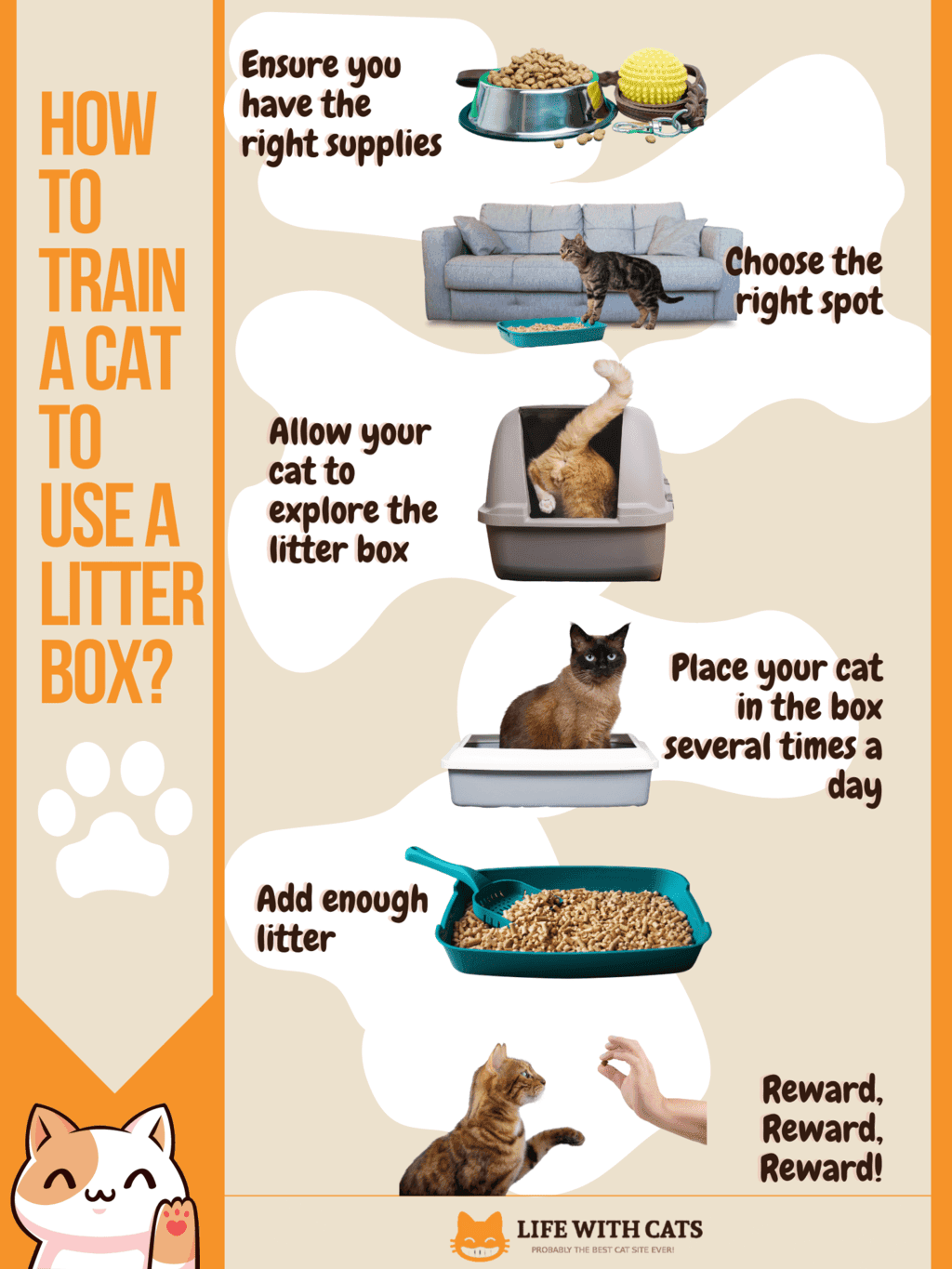
So, you’re wondering How To Potty Train A Cat? It might seem like a daunting task, especially if you’ve heard stories or have preconceived notions about cats and litter boxes. But trust me, with a little patience, understanding, and the right approach, most cats can be successfully trained to use a litter box. It’s not just about convenience; it’s about understanding your feline friend’s natural instincts and guiding them effectively. Let’s dive into the world of feline toileting and make this process as smooth as possible for both you and your kitty.
Understanding Your Cat’s Natural Instincts
Cats are naturally fastidious creatures. In the wild, they instinctively bury their waste to avoid attracting predators. This innate behavior is your biggest ally when you’re teaching them how to use a litter box. They want to keep their living space clean. Your job is to provide them with an environment that encourages this natural inclination. This means choosing the right litter box, the right litter, and the right location.
Why Litter Box Training is Key
Proper litter box habits are fundamental to a happy home for both cats and their owners. It prevents accidents, reduces odors, and contributes to your cat’s overall well-being by providing them with a safe and private place to do their business. A cat that consistently misses the litter box might be trying to tell you something – perhaps the box isn’t clean enough, the litter is uncomfortable, or there’s an underlying medical issue.
Choosing the Right Litter Box
The litter box itself is the first crucial step in the whole process. Think about it from your cat’s perspective:
Size Matters
Your cat should be able to comfortably turn around in the box. For kittens, a smaller box with lower sides is easier to access. As they grow, you’ll need a larger one. Taller sides can prevent litter from being kicked out, but ensure your cat can still easily get in and out.
Type of Box: Open vs. Covered
- Open Litter Boxes: These are generally preferred by most cats. They offer a clear view of their surroundings and easy escape routes, which can be important for nervous cats. They are also easier to clean.
- Covered Litter Boxes: These can help contain odors and prevent litter scatter, which is appealing to some owners. However, some cats may feel trapped inside, and the enclosed space can trap ammonia smells, making it less appealing. If you opt for a covered box, ensure it’s well-ventilated.
Selecting the Perfect Litter
This is where personal preference (yours and your cat’s!) really comes into play.
Texture and Scent
Most cats prefer unscented, fine-grained clumping litter. It mimics the feel of natural soil, which they instinctually associate with burying their waste.
- Unscented: Cats have sensitive noses. Perfumed litters can be overwhelming and deter them from using the box.
- Clumping Litter: This type of litter forms solid clumps when wet, making it easy to scoop out solid and liquid waste. This keeps the box cleaner for longer, which is crucial for cats.
- Texture: Fine-grained litters are generally more comfortable for a cat’s paws than coarse or pelleted ones.
How Much Litter?
Aim for 2-3 inches of litter in the box. This depth allows your cat to dig and bury their waste effectively. Too little litter, and they won’t be able to cover properly; too much, and it might feel unstable.
Litter Box Placement: Location, Location, Location
Where you place the litter box is just as important as the box and litter itself.
Accessibility and Privacy
- Easy to Reach: The litter box should be in a location your cat can access easily at all times. Avoid placing it behind closed doors that your cat might struggle to open.
- Quiet and Private: Cats prefer a calm, quiet spot where they won’t be disturbed while using the litter box. High-traffic areas or noisy rooms are usually a no-go.
- Away from Food and Water: Never place the litter box near your cat’s food and water bowls. Cats instinctively avoid soiling areas where they eat and drink.
Multiple Cats, Multiple Boxes
A general rule of thumb is to have one litter box per cat, plus one extra. So, if you have two cats, you should have three litter boxes. This reduces competition and ensures that if one box is occupied or not up to par, there’s another option available. This is a key aspect of how to potty train a cat.
The Step-by-Step Guide: How to Potty Train a Cat
Now for the actual training process. Remember, patience is key!
Step 1: Introduction to the Litter Box
When you bring a new cat or kitten home, or if you’re establishing new habits, confine them to a smaller area initially, like a spare room or a large bathroom. Place their litter box, food, water, and bedding in this space. This helps them acclimate to their new environment and makes the litter box easily discoverable.
Step 2: Guiding Your Cat
- After Waking Up or Eating: Gently place your cat in the litter box after they wake up from a nap or after a meal. These are common times when they might need to relieve themselves.
- Observe for Signals: Watch for signs that your cat needs to go, such as sniffing around, scratching at the floor, or squatting. If you see these signs, gently guide them to the litter box.
- Positive Reinforcement: When your cat uses the litter box successfully, praise them calmly and offer a small treat or gentle petting. Positive reinforcement is highly effective. Avoid startling or scolding them, as this can create fear and aversion.
Step 3: Litter Box Maintenance
This is arguably the most critical ongoing step. A dirty litter box is the number one reason for litter box aversion.
- Scoop Daily: Scoop out solid waste and urine clumps at least once a day, ideally twice.
- Full Litter Change: Completely empty, wash, and refill the litter box with fresh litter at least once a week. Use mild, unscented soap and water. Avoid harsh chemicals or strong-smelling cleaners, as these can deter your cat.
- Litter Top-Up: Add more litter as needed to maintain the 2-3 inch depth.
Troubleshooting Common Litter Box Problems
Even with the best intentions, you might encounter issues.
Accidents Outside the Box
If your cat starts having accidents, don’t punish them. Instead, try to figure out why.
- Medical Issues: Rule out urinary tract infections (UTIs), bladder stones, kidney problems, or other health issues with a veterinarian. Changes in urination habits can be a sign of illness.
- Litter Box Aversion:
- Is the box clean enough?
- Is the litter type or texture acceptable?
- Is the box size appropriate?
- Is the location stressful or inaccessible?
- Are there multiple cats and not enough boxes?
- Stress and Anxiety: Changes in the household (new pet, new person, moving furniture, loud noises) can cause stress, leading to accidents. Try to identify the stressor and address it.
Refusal to Use a Specific Box
If you have multiple boxes, your cat might refuse one. This often comes down to cleanliness, location, or the type of box/litter. For more on this, consider learning how to potty train a cat litter box strategies.
Burying Instincts
Some cats might try to bury their waste outside the box, like on carpets. This is a strong indicator of their natural instinct. Ensure the litter box is appealing enough that they prefer it over other surfaces.
Making the Transition to the Toilet (Optional Advanced Training)
While most owners are happy with a well-used litter box, some seek to train their cats to use the human toilet. This is a more advanced process and not suitable for all cats or owners. It typically involves gradually moving the litter box closer to the toilet, then onto the toilet seat, and eventually replacing it with a specialized toilet-training system. This takes significant time and requires careful observation of your cat’s comfort level. If you’re interested in this, you might research how to potty train a cat to use toilet more deeply.
FAQs About Cat Potty Training
Q1: How long does it take to potty train a cat?
A: Most kittens and cats pick up litter box habits very quickly, often within a few days to a week. Adult cats may take a little longer, especially if they have developed bad habits or have underlying issues.
Q2: My cat is peeing outside the litter box. What should I do?
A: First, consult your veterinarian to rule out any medical problems. If your cat is healthy, assess the litter box situation: cleanliness, litter type, box size, and location. Ensure you have enough boxes.
Q3: Can I use regular cat litter for training?
A: Yes, clumping, unscented, fine-grained litter is generally the best choice for training and everyday use.
Q4: My kitten is too small for the litter box. What’s the solution?
A: Use a litter box with lower sides or a shallow pan for kittens. You can also place a ramp or a sturdy object next to a regular box to help them get in and out.
Q5: Is it necessary to clean the litter box daily?
A: Absolutely. Daily scooping is essential to keep the litter box appealing and hygienic for your cat.
Conclusion: A Happy Cat Starts with a Good Potty Routine
Teaching your cat how to use a litter box is a rewarding experience that strengthens your bond and makes living together much more pleasant. By understanding their instincts, providing the right tools, and maintaining a clean environment, you can ensure your feline companion is comfortable and confident with their toileting habits. Remember, every cat is an individual, so be patient, observe their behavior, and celebrate their successes. You’ve got this, and your cat will thank you for it!
