
Teaching your dog essential commands like “sit” and “stay” is a fundamental aspect of responsible dog ownership and a cornerstone of effective dog training. These commands not only establish a clear line of communication between you and your canine companion but also serve as building blocks for more complex training and can help manage various behavioral issues. Whether you’re a new dog owner or looking to refine your training skills, understanding the proper techniques for teaching “sit” and “stay” is crucial for fostering a well-behaved and happy dog. This guide will walk you through the steps to successfully teach these foundational commands.
Mastering the “Sit” Command
The “sit” command is often the first command dogs learn because it’s a natural and comfortable position for them. It’s incredibly versatile, serving as a prerequisite for other commands like “down” and “stay,” and is also effective in curbing undesirable behaviors such as jumping, excessive barking, and even dominance or aggression.
Step-by-Step Guide to Teaching “Sit”
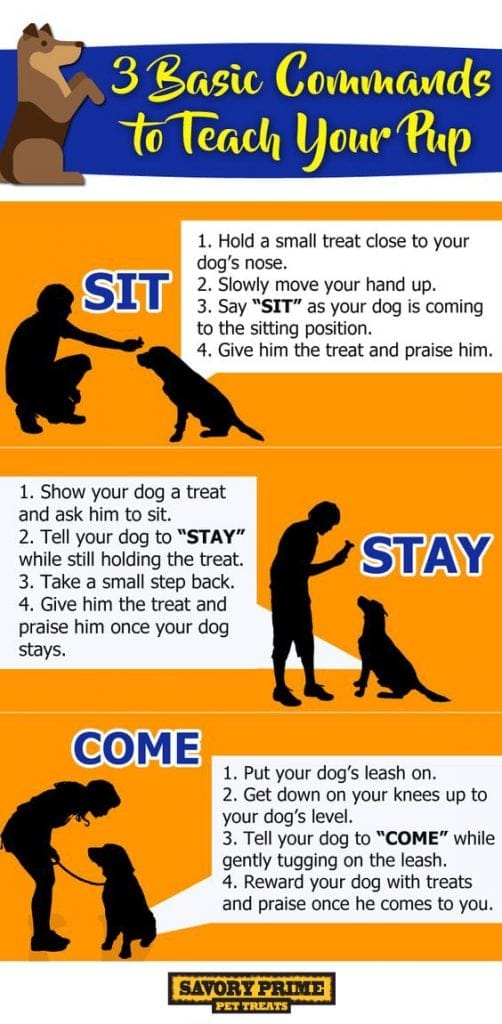
- Lure with a Treat: Begin by holding a treat in front of your dog. Slowly move the treat from his nose upwards and slightly over his head. Your dog’s natural inclination will be to follow the treat with his eyes, which often causes his rear end to lower into a sit. Ensure the treat is within his reach but keep your hand closed so he can’t snatch it.
- Reward Success: As soon as your dog’s rear touches the ground in a sit, immediately say “Yes!” in a cheerful tone and give him the treat. This positive reinforcement is key to him understanding what you want.
- Assisted Sit (if needed): If your dog doesn’t sit automatically, you can gently guide him. If he’s on a leash, a slight upward and backward pull on the leash can help lift his front end, encouraging his rear to drop. As soon as he sits, praise and reward him.
- Introduce the Command: Once your dog reliably sits when lured by a treat, start saying the word “sit” just before you lure him. As he becomes proficient, gradually phase out the lure, relying more on the verbal cue.
- Hand Signal: You can also introduce a hand signal. A common one is raising your fist as if lifting a dumbbell, or you can point towards his rear end as you give the verbal command.
This foundational command is vital for many aspects of dog training, including the use of tools like a well-d dog training collar which can be used to reinforce commands with gentle guidance when necessary.
Implementing the “Stay” Command
The “stay” command is a powerful tool for controlling your dog’s movement and preventing potentially dangerous situations. It’s invaluable for stopping your dog from running out of an open door, chasing small animals, or breaking other commands like “sit” or “down.” Patience and consistency are paramount when training “stay.”
Step-by-Step Guide to Teaching “Stay”
- Basic Sit-Stay: Ask your dog to sit in front of you. Give the “stay” command, then take one step backward. Immediately step back towards your dog. If he remained in his sit position, praise him with “Yes!” and reward him.
- Increase Distance: Gradually increase the number of steps you walk away from your dog. Always return to him to deliver the reward. This is crucial; calling him to you after a stay can teach him that “stay” means “stay for a bit, then come.”
- Troubleshooting: If your dog consistently breaks the stay, you are likely progressing too quickly. Shorten the distance and duration you expect him to hold the position.
- Expanding Duration: Once your dog can hold a stay as you walk across the room, begin to increase the amount of time you expect him to remain in position before returning to reward him.
- Out-of-Sight Stays: The next step is to teach an out-of-sight stay. Give the “stay” command, take one step out of the room (out of his line of sight), and immediately step back into the room and reward him if he held his position.
- Mastering Extended Stays: Gradually increase the duration you are out of sight. With consistent practice, your dog will learn to hold a stay for extended periods, even when you are not visible.
- Other Positions: To teach “stand-stay” or “down-stay,” first ensure your dog knows the “stand” or “down” command, then apply the same “stay” training steps.
Mastering commands like “stay” can be incredibly beneficial for how to train a dog for service work, where reliability is paramount. For those seeking professional guidance, finding advanced dog training near me can provide expert support.
Conclusion: Building a Stronger Bond Through Training
Teaching your dog to “sit” and “stay” are more than just obedience exercises; they are fundamental tools for building a stronger bond, ensuring your dog’s safety, and fostering a harmonious relationship. By using positive reinforcement and consistent training methods, you can help your dog become a well-behaved companion. Remember that every dog learns at their own pace, so patience and a positive attitude are your most valuable assets. If you encounter persistent challenges or are interested in more advanced training, consider seeking professional help from a qualified trainer or exploring resources that offer guidance for specific needs, such as those found in areas like dog training Mt Juliet. Consistent training, understanding your dog’s needs, and celebrating small successes will lead to a rewarding experience for both you and your furry friend.
