
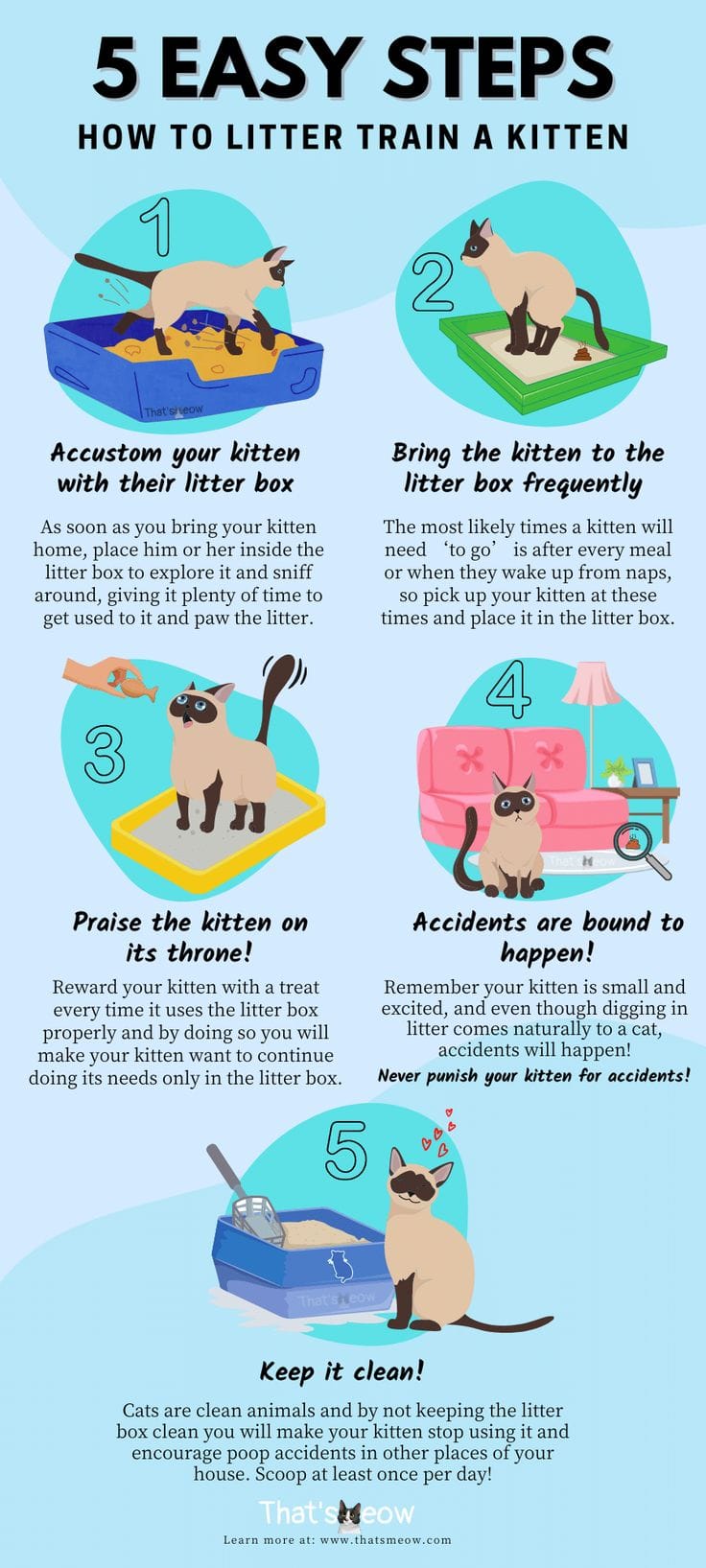
Bringing a new kitten into your home is an exciting time, and one of the first things you’ll want to address is litter box training. While it might seem like a challenging task, kittens possess a natural instinct to bury their waste, making them predisposed to using a litter box. With a little guidance and encouragement, this process can be remarkably smooth. This guide will walk you through the essential steps to ensure your kitten becomes a pro at using the litter box.
Getting Started with Litter Box Training
The ideal time to begin litter box training is when your kitten is between 3 to 4 weeks old. This is around the age when they start weaning off their mother’s milk and exploring solid foods. By the time they are ready for adoption, typically between 8 to 12 weeks of age, most kittens are well-equipped to use a litter box, provided they have the right setup and support.
Choosing the Right Litter Box
The first crucial step is selecting an appropriate litter box. For tiny paws that may find it difficult to navigate, a small and shallow box is ideal. Brands like Van Ness offer cat litter pans with low walls, making it easy for kittens to enter and exit. It’s also advisable to avoid covered boxes initially. These can trap odors, which might be off-putting or even intimidating for your new kitten. An open box allows them to feel more comfortable and less confined.
Selecting the Best Litter
Once you have the right box, it’s time to choose the litter. Opt for kitten-specific litters. These are generally softer on delicate paws, effectively absorb moisture, and help control odor. The texture should be appealing enough for your curious kitten to want to dig and explore, rather than recoil from it. Soft, unscented litters are usually the best choice for young kittens.
Setting Up the Litter Box Area
With the essential items in place—an open box filled with inviting litter in a cozy spot—patience is key as you guide your kitten. Place the litter box in a quiet, easily accessible location. Cats value privacy, so avoid placing it in a high-traffic area of your home. Maintaining cleanliness is paramount; scoop the litter box daily, or even multiple times a day. This prevents unpleasant odors and ensures the box remains an appealing place for your kitten to do their business. A dirty litter box can lead to accidents elsewhere in the house.
Introducing Your Kitten to the Litter Box
Gently place your kitten in or near the litter box, especially after meals or naps, as these are common times for them to feel the urge to eliminate. If your kitten uses the box successfully—which is highly probable with the right setup—offer plenty of praise and positive reinforcement. Treats, gentle petting, or soft words of encouragement can go a long way. It’s important to avoid scolding if accidents occur outside the designated area. Instead, focus on rewarding good behavior.
Addressing Persistent Issues
If you encounter ongoing litter box problems despite following these steps, don’t be discouraged. Sometimes, underlying health issues can contribute to inappropriate elimination. If the behavior doesn’t improve over time, consulting your veterinarian is a wise course of action. They can help rule out any medical causes and offer further guidance.
In conclusion, potty training a kitten is more than just teaching a skill; it’s about fostering trust and understanding between you and your new feline companion as they adapt to their home. By providing the right tools, a clean environment, and consistent positive reinforcement, you can successfully litter box train your kitten, ensuring a harmonious living situation for both of you.
