
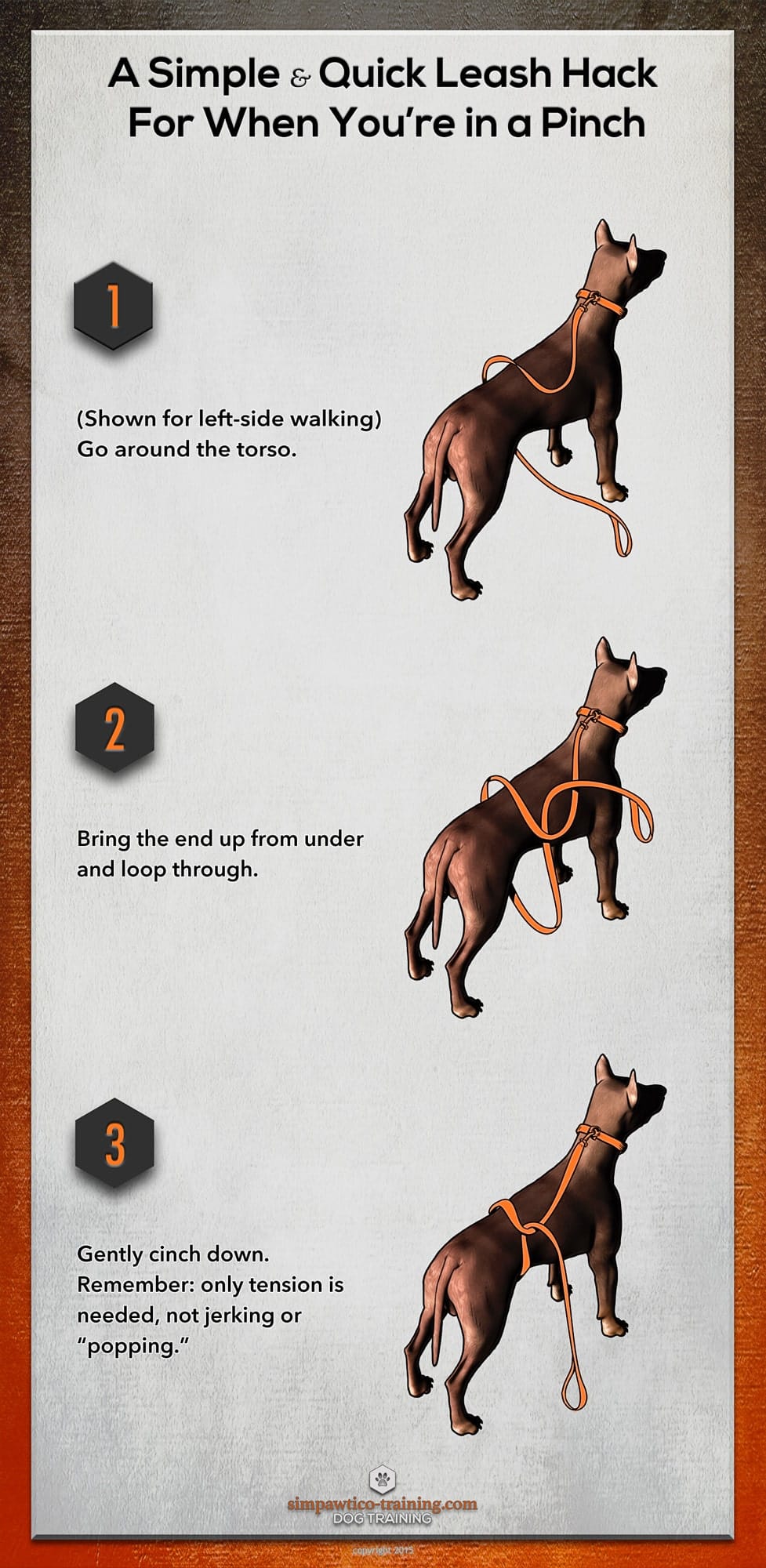
Taking your dog for a walk should be a joy, a moment of connection and exploration for you both. Yet for many owners, it’s a frustrating tug-of-war. Knowing How To Leash Train Your Dog is the cornerstone of a happy, safe, and fulfilling relationship with your canine companion. It transforms chaotic pulling into a calm, coordinated stroll, opening up a world of adventure. This guide provides a comprehensive approach, using positive reinforcement to build trust and teach your dog the art of loose-leash walking.
The journey begins with understanding that a leash is more than a tool of control; it’s a line of communication. Proper training ensures your dog’s safety from traffic and other dangers, prevents them from getting lost, and makes them a welcome presence in public spaces. It’s an investment that pays dividends in daily peace and a stronger bond. For those seeking structured guidance, methods like bark buster dog training offer a foundational philosophy to build upon.
Why Leash Training is Essential for You and Your Dog
Leash training isn’t just about preventing your arm from being pulled out of its socket. It’s a fundamental aspect of responsible dog ownership with far-reaching benefits for both safety and behavior.
- Safety First: A well-trained dog on a leash is protected from dashing into traffic, chasing after squirrels into unsafe areas, or having negative encounters with other animals. It’s your dog’s primary safety line in an unpredictable world.
- Building a Deeper Bond: Training is a two-way street of communication. When you teach your dog to walk calmly beside you, you’re building a relationship based on trust and mutual understanding, not force.
- Mental and Physical Stimulation: A good walk is more than a potty break. It’s a sensory experience that provides crucial mental stimulation and physical exercise, which can reduce destructive behaviors at home caused by boredom.
- Socialization and Public Manners: Proper leash manners make your dog a pleasure to be around. It allows for positive social interactions with other people and dogs, making trips to the park, pet-friendly stores, or a local spot like you might find with dog training in phoenix an enjoyable experience rather than a stressful one.
Gathering the Right Leash Training Equipment
Before you take your first step, setting yourself up with the right gear is crucial. The goal is to ensure comfort, safety, and control, making the training process positive for your dog.
Collars vs. Harnesses: Making the Right Choice
The debate between collars and harnesses is common, but for training, most experts lean towards harnesses.
- Flat Collars: Suitable for carrying ID tags and for dogs that already have good leash manners. However, they can put pressure on the trachea (windpipe) if the dog pulls, potentially causing injury, especially in small breeds.
- Harnesses: A front-clip harness is often considered the gold standard for training. When the dog pulls, the harness gently redirects them back towards you, discouraging the behavior without causing pain or choking. Back-clip harnesses are comfortable but can sometimes encourage pulling, as they engage the dog’s opposition reflex, similar to how sled dogs are harnessed.
“A front-clip harness is a game-changer for owners struggling with pulling,” notes Dr. Ellen Connolly, a canine behaviorist. “It shifts the point of leverage, making it physically difficult for the dog to pull you forward and easier to redirect their attention back to you.”
Avoid choke chains and prong collars. While they may offer a quick fix, they work by causing pain and discomfort, which can lead to fear, anxiety, and even aggression. Positive, long-term training is always the better path.
Choosing the Perfect Leash
The standard 6-foot nylon or leather leash is perfect for training. It provides enough room for your dog to explore a bit but is short enough for you to maintain control. Avoid retractable leashes for training. They teach dogs that pulling extends the leash, which is the opposite of your goal, and they offer very little control in emergency situations.
The Step-by-Step Guide to Leash Training Your Dog
Patience is your most important tool. Every dog learns at a different pace. Keep sessions short (5-10 minutes) and always end on a positive note.
Step 1: Get Your Dog Comfortable with the Gear
Before you even think about walking, let your dog get used to the collar or harness.
- Introduction: Show the harness to your dog and let them sniff it. Give them a high-value treat.
- Association: Touch the harness to their body, then give a treat. Repeat this several times.
- Wearing it: Put the harness on for short periods inside the house while they are eating or playing. This helps them associate it with positive things. Do this for a few days until they are completely comfortable wearing it.
Step 2: Start Training Indoors
Your house is a low-distraction environment, perfect for the first lessons.
- Attach the Leash: Once they are comfortable in the harness, attach the leash and let them drag it around for a few minutes (always supervised).
- Introduce a Cue: Choose a sound—like a clicker or a simple “Yes!”—to mark good behavior. Make the sound, then immediately give a treat. Repeat this 10-15 times. Your dog will learn that the sound means a reward is coming.
- Encourage Movement: With the leash in your hand, take a few steps back and encourage your dog to come to you. When they do, make your cue sound and give them a treat.
- Reward Proximity: Walk around the room. Whenever the leash is slack and your dog is beside you, use your cue and reward them.
Step 3: The First Outdoor Adventure
Once your dog is walking well indoors, it’s time to brave the great outdoors. Start in a quiet area like your backyard or a calm street during an off-peak hour.
- Keep it Short: Your goal for the first few outings is not distance, but quality. A successful 10-minute walk is better than a stressful 30-minute one.
- Be a Tree: The moment your dog starts to pull, stop walking. Stand still and silent, like a tree. Don’t pull back on the leash; simply hold your ground.
- Reward the Slack: The instant your dog stops pulling and releases the tension on the leash—even if they just turn to look at you—use your cue and give them a treat. Then, start walking again. Your dog will learn that a loose leash makes the walk continue, while a tight leash makes it stop.
Step 4: Mastering the Loose Leash Walk
Consistency is everything. Every walk is a training session.
- High-Value Rewards: Use extra-tasty treats that your dog only gets during walks. This makes walking with you more rewarding than the distractions around them.
- Change Direction: If your dog is laser-focused on something ahead, cheerfully say “This way!” and turn around, walking in the opposite direction. When they turn and come with you, reward them generously.
- Practice “Check-Ins”: Randomly, when the leash is loose, reward your dog for being near you. This encourages them to pay attention to you throughout the walk.
How to Leash Train Your Dog: Troubleshooting Common Issues
Even with the best start, you might encounter some bumps in the road. Here’s how to handle them.
The Constant Puller
This is the most common complaint. Pulling is often a symptom of excitement and a simple desire to get to the next interesting sight or smell faster. The “Be a Tree” method is the primary solution here. It requires immense patience but is highly effective. If pulling persists, you may need a more focused approach, and learning how to leash train your dog not to pull involves specific techniques to address this singular, frustrating issue.
The Lunger and Barker
Lunging at other dogs, people, or cars can be scary and embarrassing. This is often caused by fear, over-excitement, or reactivity.
- Manage Distance: Identify your dog’s “threshold”—the distance at which they can see a trigger without reacting. Stay outside this zone.
- Counter-Conditioning: When you see a trigger from a safe distance, start feeding your dog high-value treats. The goal is to change their association from “Oh no, another dog!” to “Oh boy, another dog means I get chicken!”
- Create Space: If you’re surprised by a trigger, confidently turn and walk the other way to create distance.
The Sniffer Who Won’t Budge
Sniffing is a vital part of a dog’s walk; it’s how they read their “pee-mail” and understand the world. However, you should be the one to decide when it’s time to move on.
- Introduce a Cue: Teach a cue like “Let’s go!” Use a happy, encouraging tone. When your dog lifts their head, reward them and start walking.
- Allow Sniff Breaks: Intentionally let your dog have “sniff breaks” as a reward for good walking. Release a bit of tension on the leash and say “Go sniff!” This gives them their dedicated time and teaches them that walking with you also leads to this reward.
Frequently Asked Questions (FAQ)
1. What is the best age to start leash training a puppy?
You can start as soon as you bring your puppy home, typically around 8 weeks old. Begin by getting them comfortable with a collar or harness indoors. Keep it positive and playful.
2. How long should our training sessions be?
Keep them short and sweet. For puppies and beginners, 5 minutes at a time, several times a day, is much more effective than one long, frustrating session.
3. What should I do if my dog is scared of the leash?
Create a positive association. Leave the leash on the floor and sprinkle treats around it. Let your dog investigate it on their own terms. Gradually build up to picking it up and clipping it on, rewarding at every step.
4. Can you teach an old dog new tricks like leash training?
Absolutely! The principles are the same regardless of age. An older dog may have more established habits, so it might take more time and consistency, but they are fully capable of learning to walk beautifully on a leash.
5. My dog walks perfectly in quiet areas but pulls like crazy when we see other dogs. What can I do?
This is very common. Your dog’s excitement or anxiety is overriding their training. You need to practice counter-conditioning from a distance where your dog can see the trigger but not react. It takes time to slowly decrease that distance. Seeking guidance from trainers, such as those you might find with a search for seattle wa dog training, can be invaluable for reactivity issues.
Your Journey to Joyful Walks Starts Now
Learning how to leash train your dog is a transformative process that builds communication, trust, and a stronger bond. It turns a daily chore into a cherished ritual. Remember to be patient with your dog and with yourself. There will be good days and bad days, but with consistency and positive reinforcement, you will get there. By investing this time, you’re not just teaching your dog to walk beside you; you’re opening the door to countless shared adventures, all enjoyed at the end of a loose, happy leash.
