
Is your dog’s leash-pulling turning your pleasant walks into a tug-of-war? You’re not alone. Many dog owners struggle with this common but frustrating behavior. The good news is that with the right approach, patience, and consistency, you can teach your canine companion to walk politely by your side, transforming walks from a chore into a delightful bonding experience. This guide will delve deep into the “How To Leash Train A Dog That Pulls,” offering practical strategies and insights to help you achieve a harmonious walk.
The Root of the Pull: Understanding Why Dogs Pull on Leash
Before we dive into training techniques, it’s crucial to understand why your dog pulls. It’s rarely out of spite; more often, it’s a combination of instinct, excitement, and learned behavior.
- Excitement and Exploration: Dogs are curious creatures. The world is full of fascinating smells, sights, and sounds, and their natural instinct is to investigate. Pulling is their way of eagerly moving towards a new stimulus.
- Breed Tendencies: Some breeds, particularly those bred for pulling sleds or herding, have a stronger natural inclination to pull. Their genetics predispose them to a forward-moving gait.
- Learned Behavior: If pulling has previously resulted in them getting to where they want to go (e.g., to greet another dog, sniff an interesting bush), they’ve learned that pulling works. They essentially “reward” themselves by reaching their destination.
- Lack of Training: Simply put, they might not know how to walk on a loose leash. They haven’t been taught the cues and expectations of a polite walk.
Understanding these reasons helps us approach training with empathy and a clear strategy. We need to teach them that a loose leash is more rewarding than a tight one.
Essential Gear for Successful Leash Training
The right equipment can make a significant difference in your training journey. While a standard flat collar and leash are a starting point, some tools can provide better control and communication, especially for strong pullers.
Choosing the Right Collar or Harness
- Martingale Collars: These collars are designed to tighten slightly when the dog pulls, preventing them from slipping out of the collar, but they don’t choke. They offer more control than a flat collar without causing harm.
- Front-Clip Harnesses: These harnesses have a leash attachment point on the dog’s chest. When the dog pulls, the leash gently turns them back towards you, redirecting their forward momentum and discouraging pulling. They are often highly effective for strong pullers.
- Head Halters (e.g., Gentle Leader, Halti): These work like a halter on a horse, guiding the dog’s head. Where the head goes, the body follows. They offer excellent control but require a gradual introduction to ensure your dog accepts wearing one comfortably.
Important Note: Avoid choke chains and prong collars. While they may suppress pulling through discomfort or pain, they can cause physical injury and damage your relationship with your dog. The goal is positive reinforcement and clear communication, not coercion.
Leash Selection
A standard 4-6 foot leash is generally recommended for training. Avoid retractable leashes, as they teach dogs that the leash has an end and can encourage pulling to reach that “end,” and they offer less control in emergency situations.
The Foundation: Loose Leash Walking Principles
Loose leash walking is about teaching your dog that walking beside you on a relaxed leash is the most rewarding way to explore the world. It requires consistency and understanding of a few key principles.
Principle 1: Reward the Desired Behavior
The most effective way to teach your dog what you want is to reward them when they do it. For loose leash walking, this means rewarding your dog any time the leash is slack.
- Frequent, Small Rewards: Have high-value treats (small pieces of chicken, cheese, or special training treats) readily available. When the leash is loose, mark the behavior with a positive word like “Yes!” or a clicker, and immediately give a treat.
- Timing is Key: Reward the slack leash while it’s slack. This helps your dog understand exactly what they are being rewarded for.
Principle 2: Stop or Change Direction When Pulling Occurs
This is the crucial step that teaches your dog that pulling is counterproductive.
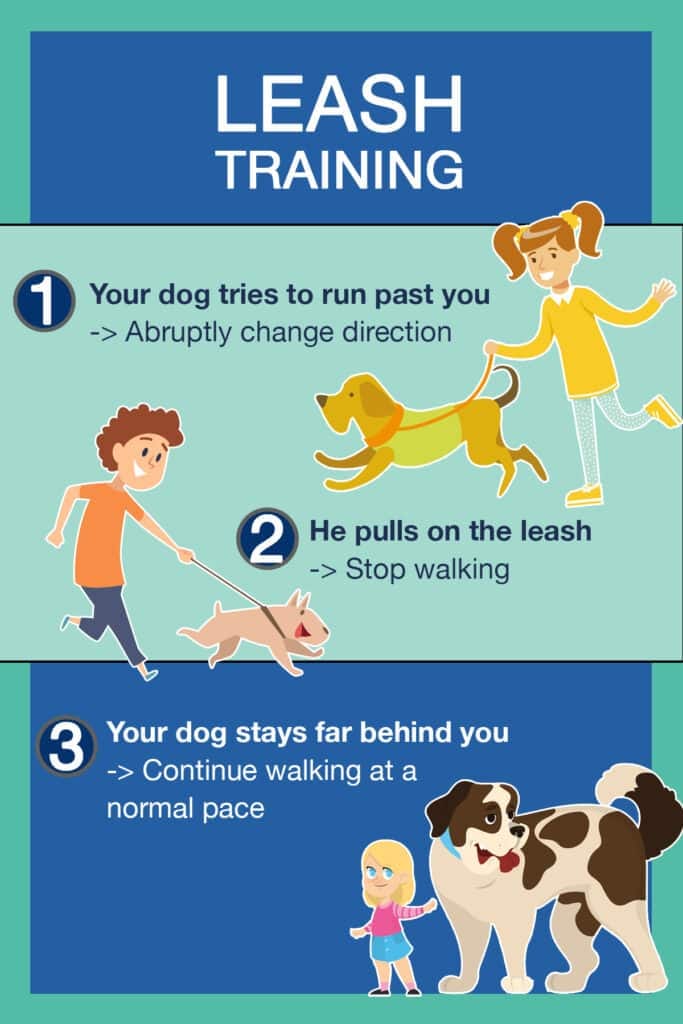
- The “Be a Tree” Method: The moment your dog takes up the slack and starts to pull, stop walking. Stand still like a tree. Do not move forward again until the leash slackens. This can happen because the dog backs up, looks at you, or stops pulling for any reason.
- The “U-Turn” Method: If your dog pulls ahead, simply turn around and walk in the opposite direction. When they catch up and the leash is loose again, you can turn back towards your original direction. This teaches them that pulling doesn’t get them where they want to go, but staying with you does.
Choose one method (or alternate them) and be consistent. It might feel slow at first, but this teaches your dog a valuable lesson: pulling stops forward progress, while a loose leash keeps us moving.
Step-by-Step Guide: How to Leash Train a Dog That Pulls
Let’s break down the process into actionable steps. Start in a low-distraction environment, like your home or backyard, before moving to more challenging areas.
Step 1: Introduce the Equipment Positively
Before you even step outside, ensure your dog is comfortable with their collar or harness and leash. Feed them treats while the equipment is on, play games, and keep initial sessions short and positive.
Step 2: Practice Loose Leash Walking Indoors
- Attach the leash.
- Start walking. As soon as the leash is loose, say “Yes!” and give a treat.
- If your dog pulls: Immediately stop. If they continue to pull, either wait for slack or perform a U-turn.
- Reward often: Aim for frequent rewards for a loose leash, especially in the beginning.
- Incorporate cues: Once your dog understands the concept, you can start introducing a cue like “Heel” or “Let’s go” just as you begin walking with a loose leash.
Step 3: Move to Low-Distraction Outdoor Areas
Once your dog is reliably walking on a loose leash indoors, move to your yard or a quiet street.
- Expect Setbacks: Outdoor environments are full of distractions, so expect more pulling initially. Be patient and consistent with your chosen method (Be a Tree or U-Turn).
- Keep Sessions Short: Aim for multiple short training sessions (5-10 minutes) rather than one long, frustrating one.
Step 4: Gradually Increase Distractions
As your dog improves, gradually introduce more challenging environments:
- Quieter parks
- Sidewalks with occasional foot traffic
- Parks with other dogs at a distance
- Bustling streets
Key Strategy: If you know a particular distraction (like another dog) is coming up, try to get your dog’s attention before they fixate on it. Use treats, praise, or a cue to keep them focused on you. If they pull despite your efforts, revert to the “Be a Tree” or “U-Turn” method. This is where [how to train dogs not to pull on walks] becomes essential.
Step 5: Introduce the “Heel” Command (Optional but Recommended)
If you want a specific command for when you need your dog to walk right beside you, you can introduce “Heel.”
- Hold a treat in your hand near your dog’s nose.
- Lure them into position beside your leg (on your left side is traditional).
- As they move with you, say “Heel.”
- Reward them frequently with the treat from your hand and praise.
- Gradually fade the lure, so you’re just using the verbal cue and reward.
Remember, “Heel” means walking precisely by your side, usually with a very loose leash. This is a more advanced skill than general loose leash walking. For more on lead training a dog that pulls, consider resources specifically on [lead training a dog that pulls].
Troubleshooting Common Leash Pulling Issues
Even with the best intentions, you might encounter some common hurdles.
My dog still pulls when they see another dog/person/squirrel!
This is the classic “distraction pull.” The key here is management and desensitization.
- Increase Distance: If your dog reacts and pulls strongly, you are too close. Increase the distance between your dog and the trigger until they can remain calm.
- High-Value Rewards: Use your absolute best treats to redirect their attention when triggers are present.
- Practice Controlled Greetings: If you want your dog to be able to greet others, practice this in a controlled manner. Ask the other person to stand still, reward your dog for calm behavior on a loose leash, and then allow a brief, appropriate greeting. This involves understanding [how to teach a dog to walk without pulling] even in exciting situations.
My dog walks well at home but pulls constantly outside.
This is normal! The outside world is infinitely more stimulating. Revert to shorter sessions and focus on rewarding any moment of slack leash outdoors. Be extra patient. This is a prime scenario for [training a dog who pulls on leash] to be consistent.
My dog gets tangled or pulls me over.
This indicates a need for better equipment management or a stronger training foundation.
- Consider a Front-Clip Harness or Head Halter: These tools can provide more immediate control.
- Refine Your Technique: Ensure you are stopping immediately when pulling starts and resuming only when the leash is slack. Don’t let the pulling continue even for a few steps.
- Physical Fitness: Ensure you are physically capable of managing your dog. If not, seeking professional help from a trainer specializing in [austin texas dog training] or similar local services can be invaluable.
The Long Game: Maintaining Loose Leash Walking Habits
Training isn’t a one-and-done event. Loose leash walking requires ongoing reinforcement.
- Occasional “Maintenance” Sessions: Even after your dog has mastered loose leash walking, it’s good to have short, focused training sessions now and then to reinforce the behavior.
- Be Consistent: Everyone who walks the dog should use the same methods and cues. Inconsistency confuses the dog and slows progress.
- Manage Expectations: Some days will be better than others. A tired dog is often a better walker than an energetic one. Ensure your dog is getting enough physical and mental exercise overall.
Conclusion: The Rewarding Journey of a Well-Walked Dog
Teaching a dog to walk politely on a leash is one of the most fundamental and rewarding training goals. It requires dedication, understanding, and a positive approach. By implementing the strategies for [how to leash train a dog that pulls], you’re not just solving a walking problem; you’re building a stronger bond with your dog, fostering trust, and opening up a world of enjoyable adventures together. So, grab those treats, choose your gear wisely, and embark on the journey to peaceful, pleasant walks. Your dog, and your arms, will thank you for it.
