
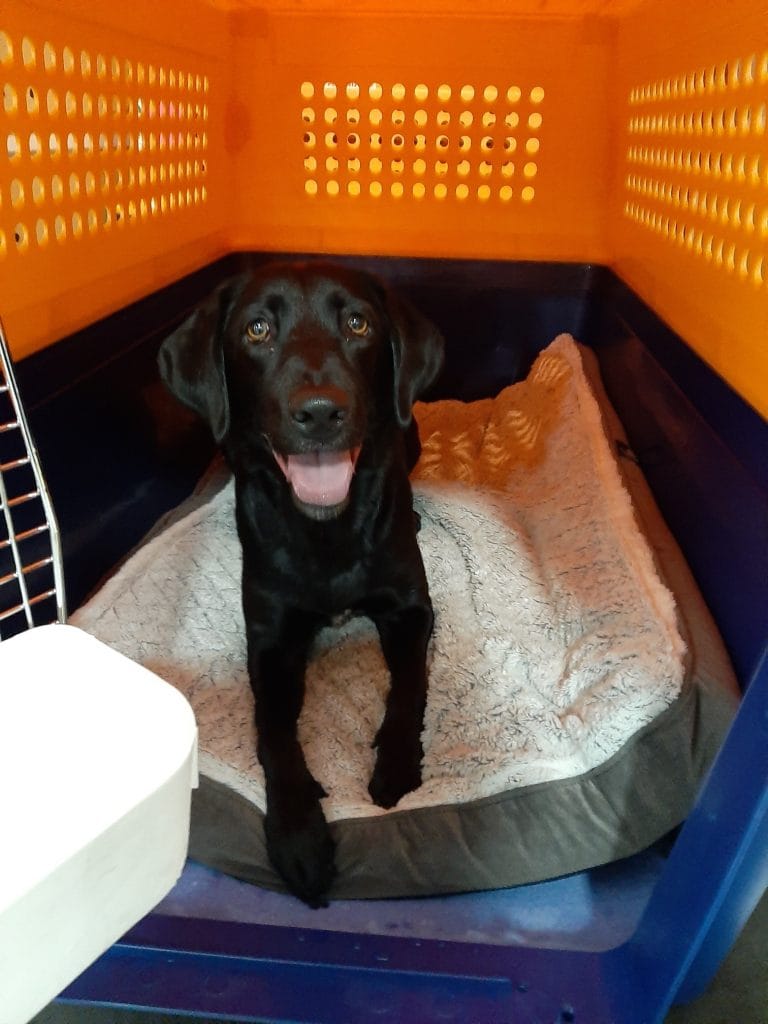
Welcoming an older dog into your home is a rewarding experience, filled with the potential for deep companionship. However, sometimes these wonderful dogs come with behavioral quirks or simply need a structured environment to feel secure. Kennel training, often associated with puppies, can be incredibly beneficial for senior dogs too. It’s not about punishment; it’s about providing a safe, comfortable den where your older dog can relax, feel secure, and learn to manage moments of anxiety. This guide will walk you through the process of how to kennel train an older dog, focusing on patience, positive reinforcement, and understanding their unique needs.
Understanding the Benefits of Kennel Training for Senior Dogs
Before we dive into the “how-to,” let’s explore why kennel training an older dog is a worthwhile endeavor. Unlike puppies who are learning everything from scratch, older dogs may have established habits or even past traumas. Kennel training can offer several advantages:
- A Safe Haven: For dogs, a crate or kennel becomes their den—a private space where they can retreat and feel secure, especially in a busy household. This is particularly important for older dogs who may appreciate their own quiet corner.
- House Training Support: While many older dogs are already house-trained, accidents can happen due to age-related issues or stress. A kennel can help manage this by providing a confined space that most dogs naturally avoid soiling.
- Managing Separation Anxiety: Older dogs can develop separation anxiety, just like younger ones. A well-introduced kennel can be a tool to help them cope when you’re away, reducing destructive behaviors and distress.
- Travel Companion: A familiar kennel can make travel much less stressful for your dog, providing a sense of normalcy in unfamiliar surroundings.
- Safety During Disruptions: If you have visitors, construction, or other disruptions, the kennel offers a safe, predictable space for your dog to stay.
Preparing for Kennel Training: Setting the Stage for Success
Success in kennel training an older dog hinges on proper preparation. Rushing the process or using the kennel incorrectly can create negative associations.
Choosing the Right Kennel
The kennel should be just large enough for your dog to stand up, turn around, and lie down comfortably. If it’s too large, they might use one end as a toilet, defeating the purpose of house training. Many crates come with dividers that you can adjust as your dog gets accustomed to the space.
- Material: Wire crates offer excellent ventilation and visibility. Plastic crates can feel more den-like and are often preferred for travel. Choose what best suits your dog and your home.
- Comfort: Make the kennel a welcoming place. Add soft bedding, a familiar blanket, and perhaps a safe chew toy. Ensure it’s placed in a quiet, draft-free area of your home where your dog can still feel part of the family.
Gathering Your Tools
- High-Value Treats: These should be small, tasty treats that your dog absolutely loves – think small pieces of cooked chicken, cheese, or special training treats.
- A Cue Word: A consistent word like “Kennel,” “Crate,” or “Bed” to associate with going into the crate.
- Patience and Positive Reinforcement: This is the most crucial tool. Your attitude will directly impact your dog’s experience.
The Step-by-Step Guide to Kennel Training an Older Dog
Remember, the goal is to make the kennel a positive experience. Avoid forcing your dog into the crate or using it for punishment.
Step 1: Introduction and Positive Association
Leave the kennel door open and let your dog explore it at their own pace. Toss a few high-value treats near the entrance, then just inside. If your dog is hesitant, don’t push. Let them sniff and investigate.
- Tip: Initially, feed your dog their regular meals near or inside the open crate. This naturally associates the crate with a positive experience.
Step 2: Encouraging Entry
Once your dog is comfortable going near or into the crate, start using your cue word. Say “Kennel” in a cheerful tone and toss a treat inside. When they go in to get it, praise them enthusiastically.
- Short Sessions: Keep these initial sessions very short – just a few minutes. The goal is to have them voluntarily enter for a treat and then happily come out when invited.
- Gradual Increase: Slowly increase the amount of time they spend inside. Start with just a few seconds, then gradually extend it.
Step 3: Closing the Door (Briefly!)
When your dog is comfortably inside and relaxed, try closing the door for a few seconds. Immediately open it and offer praise and a treat.
- Monitor Body Language: Watch your dog closely. If they show signs of distress (panting, whining, pacing, trying to escape), open the door immediately. You’ve gone too fast.
- Increase Duration Slowly: Gradually increase the time the door is closed. Aim for a few minutes, then five, then ten, always rewarding calm behavior.
Step 4: Leaving Your Dog Alone (Short Absences)
Once your dog is comfortable with the door closed for longer periods (e.g., 15-20 minutes), you can start leaving them alone for very short intervals.
- Practice Distraction: Give them a safe chew toy or a stuffed Kong just before you leave. This gives them something positive to focus on.
- Short Departures: Start with absences of just a minute or two. Walk out the door, return, and if they are calm, reward them.
- Avoidmaking a Big Deal: When you leave and return, keep it low-key. Don’t make a fuss, as this can heighten their anxiety.
Step 5: Increasing Time and Independence
As your dog becomes more comfortable, gradually increase the duration of your absences.
- Listen for Distress: If you hear whining or barking, wait for a brief pause before returning. This teaches them that calm behavior is rewarded. However, if your dog is genuinely distressed and not just testing boundaries, reconsider the duration.
- Overnight: Many dogs adapt to sleeping in their kennel overnight quite well. Ensure they have had a chance to relieve themselves before bedtime.
Troubleshooting Common Issues in Kennel Training Older Dogs
Older dogs may present unique challenges. Here’s how to address them:
My dog is too anxious to go near the kennel.
- Revert: Go back to Step 1. Make the kennel extremely inviting with high-value treats and praise. Consider removing the door temporarily if it seems intimidating.
- Positive Association Only: Focus solely on making the kennel a happy place. No closures, no durations, just positive reinforcement for interacting with it.
- Consult a Professional: If anxiety is severe, professional help from a certified dog trainer or veterinary behaviorist might be necessary.
My dog barks and whines constantly when I close the door.
- Too Much, Too Soon: You’ve likely progressed too quickly. Go back to shorter durations and more frequent positive rewards for brief periods of quiet.
- Exercise and Mental Stimulation: Ensure your dog is getting enough physical exercise and mental engagement throughout the day. A tired dog is often a calmer dog. Consider activities like free online dog training to engage their mind.
- Ignore (to a point): If the barking is attention-seeking and not extreme distress, a brief period of ignoring it before rewarding quiet can work. However, distinguish this from true fear or panic.
My older dog has accidents in the kennel.
- Size Matters: Is the kennel too large? Use dividers to make it smaller.
- Timing: Are you letting your dog out frequently enough? Especially for older dogs, a shorter interval between potty breaks might be needed. Take them out immediately after they exit the kennel for a potty break.
- Medical Check: Rule out any underlying medical conditions with your veterinarian. Increased accidents can sometimes signal health issues.
- Clean Thoroughly: Use an enzymatic cleaner to completely remove all traces of odor. If the scent remains, your dog may be drawn back to that spot.
My dog is elderly and has mobility issues.
- Low Entry: Ensure the kennel has a low threshold for easy entry.
- Comfortable Bedding: Provide plenty of soft, supportive bedding. Orthopedic dog beds can be a great investment.
- Placement: Position the kennel in an easily accessible location, away from stairs or difficult-to-navigate areas.
Integrating Kennel Training into Your Routine
Once your dog is comfortable, you can integrate kennel time into your daily routine.
- Morning Routine: A short kennel session after breakfast can be a good way to manage your dog while you get ready for work.
- Travel: If you plan to travel with your dog, practicing with the kennel beforehand will make the trip much smoother. Understanding how much does dog training cost at petsmart can also help in budgeting for professional assistance if needed.
- Managing Home Alone Time: For dogs who struggle with separation, the kennel can be a safe management tool. Remember, it’s crucial to build up to longer periods gradually. If you’re in an area like Morristown, NJ, seeking local assistance might be an option, like dog training morristown nj.
A Final Thought on Kennel Training Older Dogs
Kennel training an older dog is a journey that requires understanding, patience, and a commitment to positive experiences. It’s about building trust and providing your senior companion with a sense of security. By following these steps and adapting them to your dog’s individual personality and needs, you can successfully introduce them to their cozy den, enhancing their quality of life and strengthening your bond. Remember, like how to train a dog to stay off furniture, consistency and positive reinforcement are key.
