
Dealing with a dog that suffers from separation anxiety can be heartbreaking, both for you and your furry friend. It’s a common issue, but with patience and the right approach, you can help your dog feel more comfortable and secure when left alone. Kennel training, when done correctly, can be a powerful tool in this process. It’s not about punishment; it’s about creating a safe haven for your dog. This guide will walk you through the steps to kennel train your dog, specifically addressing the challenges of separation anxiety, so you can build their confidence and reduce their distress.
Understanding Separation Anxiety in Dogs
Before we dive into training, it’s crucial to understand what separation anxiety truly is. It’s more than just a bit of whining when you leave. Dogs with separation anxiety experience genuine distress when they are separated from their attachment figure. This can manifest in various ways: excessive barking or howling, destructive behavior (chewing furniture, digging at doors), house soiling (urinating or defecating indoors), pacing, drooling, and even self-harm.
It’s important to differentiate true separation anxiety from boredom or lack of sufficient exercise. A dog that is bored might chew on things, but usually not with the same level of panic as an anxious dog. A dog with separation anxiety is not being disobedient; they are genuinely frightened. Identifying the signs is the first step towards helping them. Sometimes, a consultation with a veterinarian or a certified animal behaviorist is recommended to confirm the diagnosis and rule out any underlying medical conditions.
The Role of the Crate in Kennel Training
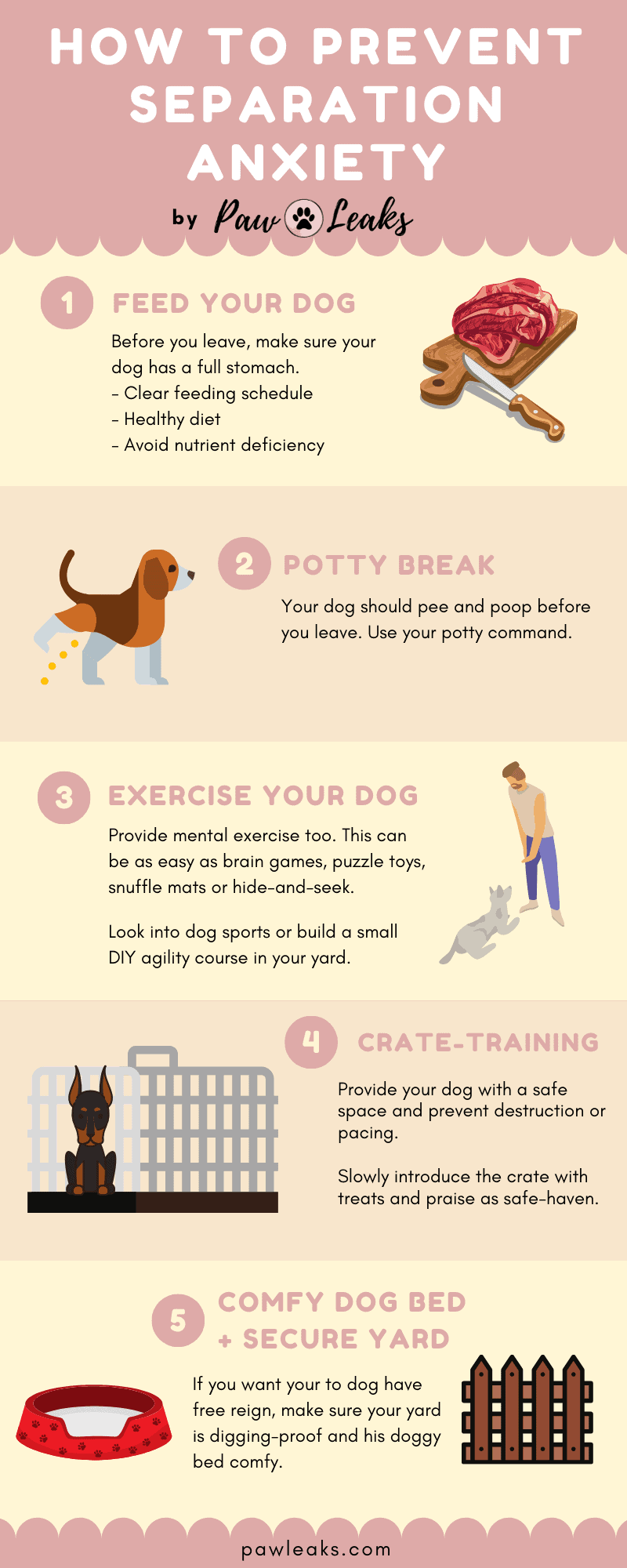
A crate, or kennel, can be a lifesaver for dogs with separation anxiety, if it’s introduced correctly. For a dog that already associates being alone with panic, a crate can initially feel like a trap. The goal is to transform the crate into a positive, secure den—a place where your dog feels safe and relaxed. It should be a voluntary retreat, not a place of confinement and fear.
The crate should be just large enough for your dog to stand up, turn around, and lie down comfortably. Too large, and they might use one end as a bathroom, defeating the purpose of house-training and crate-training. If your crate is too big, you can use dividers to adjust the space as your dog grows or as their confidence builds. We want the crate to feel cozy and secure, like a little den.
Step-by-Step Kennel Training for Separation Anxiety
This process requires immense patience and consistency. Rushing can set you back significantly. It’s about slow, positive reinforcement.
1. Making the Crate Appealing
- Introduction: Leave the crate door open. Place comfortable bedding inside and toss a few high-value treats or a favorite toy into it. Let your dog explore the crate at their own pace. Don’t force them in.
- Positive Association: Feed your dog their meals near or inside the crate. Start by placing the food bowl just inside the door, then gradually move it further back as they become more comfortable. This creates a strong positive association with the crate as a place where good things happen.
- Treats and Toys: Leave safe, long-lasting chew toys or puzzle feeders inside the crate. These can keep your dog occupied and associate the crate with enjoyable activities.
2. Gradual Acclimation to the Closed Crate
- Short Durations: Once your dog willingly goes into the crate, start closing the door for very short periods—just a few seconds initially. Reward them with praise or a treat through the bars.
- Increase Time Slowly: Gradually increase the amount of time the door is closed. Aim for increments of 30 seconds, then a minute, then two, and so on. If your dog shows any signs of distress (whining, scratching, barking), you’ve gone too fast. Go back to a shorter duration where they were comfortable.
- Consistency is Key: Practice these short sessions multiple times a day. Always end on a positive note, before your dog becomes anxious.
3. Introducing Short Absences
- Practice Departures: Once your dog is comfortable with the crate closed for several minutes, start practicing your leaving routine. Pick up your keys, put on your coat, but don’t leave. Repeat this several times a day without actually going anywhere. This helps desensitize them to your departure cues.
- Very Short Departures: When you do leave, start with extremely short absences. Leave the house for just 30 seconds, then return. If they were quiet and calm in the crate, praise them and give a treat. If they were anxious, don’t reward the anxiety, but try again later with an even shorter absence.
- Increase Absence Time: Slowly increase the duration of your absences. The progression should be gradual: a minute, five minutes, ten minutes, twenty minutes, and so on. Never leave your dog for longer than they can handle.
4. Managing Anxiety Triggers
- Calm Departures and Arrivals: Avoid dramatic goodbyes or overly enthusiastic greetings. Keep departures and arrivals low-key to minimize the anxiety associated with your coming and going. When you return, wait until your dog has calmed down before interacting with them.
- Provide Enrichment: Ensure your dog has plenty of physical and mental stimulation before you leave. A tired dog is often a calmer dog. Engage them in play, training sessions, or long walks. Puzzle toys and treat-dispensing toys can also help keep them occupied while you’re gone.
- Background Noise: Some dogs find comfort in background noise. Leaving a radio or television on at a low volume might help mask external sounds that could trigger anxiety and provide a sense of presence.
When to Seek Professional Help
While kennel training can be very effective, some dogs with severe separation anxiety may need more intensive support. If you’ve tried these methods consistently and aren’t seeing improvement, or if your dog’s anxiety is extreme, it’s time to consult a professional.
A certified applied animal behaviorist (CAAB), a veterinary behaviorist (DACVB), or a certified professional dog trainer (CPDT-KA/KSA) with experience in separation anxiety can help create a tailored behavior modification plan. They may also discuss medication options with your veterinarian if the anxiety is severe and interfering significantly with your dog’s well-being and your ability to manage the situation.
Frequently Asked Questions
Q1: How long does kennel training for separation anxiety typically take?
A1: The timeline varies greatly depending on the dog and the severity of their anxiety. It can take weeks, months, or even longer. Patience and consistency are crucial throughout the process.
Q2: My dog barks and scratches at the crate when I leave. What should I do?
A2: This indicates they are too anxious to be left in the crate even for short periods. You need to go back to earlier steps, focusing on making the crate extremely positive and increasing the duration of crate time very gradually. Never punish this behavior, as it stems from fear.
Q3: Can I leave my dog in the crate all day while I’m at work?
A3: No, this is not recommended, especially for a dog with separation anxiety. Dogs need exercise, social interaction, and potty breaks. Crating for extended periods can exacerbate anxiety and lead to other behavioral or health problems. Ideally, dogs should not be crated for more than 4-6 hours at a time, and even then, with breaks. For longer absences, you might need to consider a dog walker or doggy daycare.
Q4: What if my dog soils the crate when left alone?
A4: This is a sign of extreme anxiety. Ensure the crate is not too large. If it persists, it means your dog is not ready for crate confinement for that duration. You need to regress to shorter periods. Also, consult with your vet to rule out any medical issues.
Q5: Are there any specific types of crates that are better for anxious dogs?
A5: Many trainers recommend solid-sided crates (like plastic airline crates) over wire crates, as they can feel more den-like and secure. However, some dogs are fine in wire crates. The key is making the experience in the crate positive, regardless of the type. Ensure good ventilation and visibility if using a solid crate.
Conclusion: Building a Foundation of Trust
Kennel training a dog with separation anxiety is a journey that requires understanding, empathy, and a commitment to positive reinforcement. It’s about building your dog’s confidence in their own ability to cope with being alone, one small, positive step at a time. By transforming the crate into a safe and happy place, you provide your dog with a secure base from which they can gradually overcome their fears. Remember that progress isn’t always linear; there will be good days and challenging days. Celebrate the small victories, stay consistent, and don’t hesitate to seek professional guidance when needed. Together, you and your dog can navigate this challenge and foster a stronger, more trusting bond.
