
Puppies explore the world with their mouths, and this playful mouthing can be endearing at first. However, as your puppy grows, this behavior needs to be guided to ensure gentle interactions. This guide will help you teach your puppy bite inhibition, a crucial skill for safe and enjoyable play. Understanding and addressing puppy mouthing is key to building a strong, trusting bond with your canine companion.
Understanding Puppy Mouthing and Bite Inhibition
Puppies naturally use their mouths for play, chewing, and exploration, often resulting in biting hands and clothing. While this is normal, it’s essential to teach them gentleness. Bite inhibition is the learned ability of a dog to control the force of their bite. Dogs who learn bite inhibition are less likely to cause injury if they ever bite out of fear or pain, as they understand the sensitivity of human skin. Puppies typically learn this by playing with littermates, where a too-hard bite results in yelping and a temporary halt to play. We can leverage this learning process to teach our puppies gentleness with us.
Teaching Your Puppy to Be Gentle
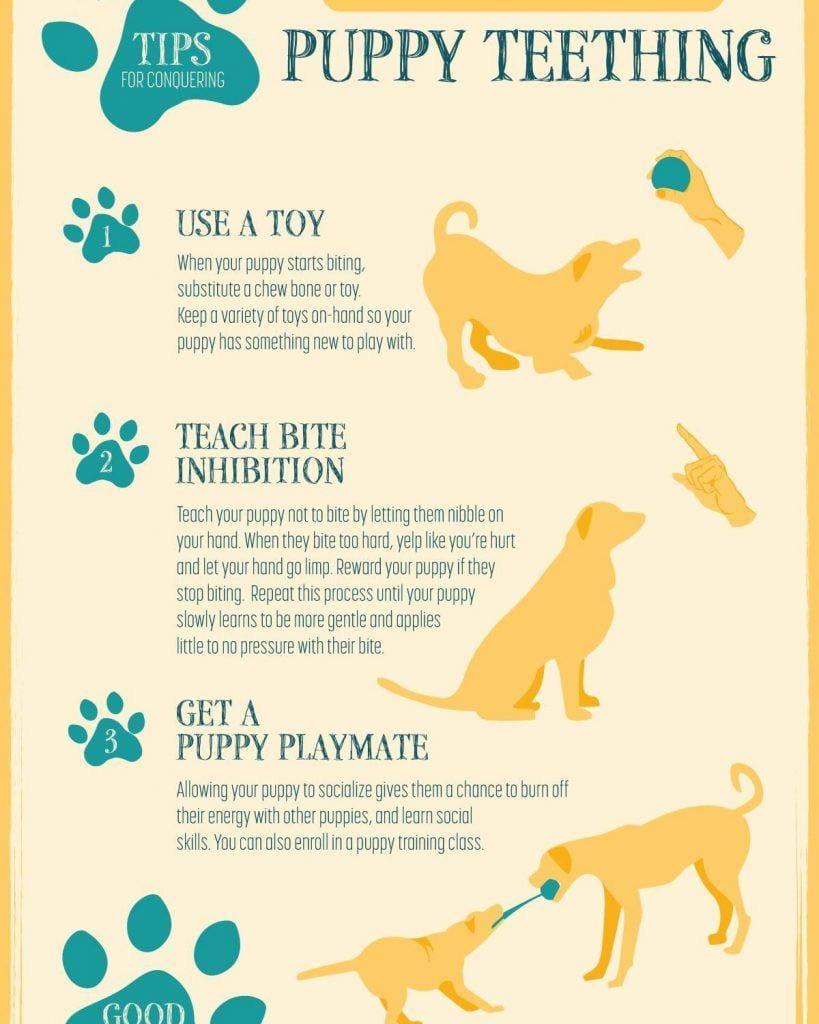
When playing with your puppy, allow them to mouth your hands. If they bite too hard, yelp loudly and withdraw your hand, mimicking a littermate’s reaction. This should startle your puppy and pause their mouthing. Praise them for stopping or licking. Repeat this process a few times. If yelping alone isn’t effective, a brief “time-out” can be employed. After a hard bite, yelp, remove your hand, and then either ignore your puppy for 10-20 seconds or leave the immediate area. After the time-out, resume play. This teaches your puppy that gentle play continues, but hard biting stops it. Gradually tighten your rules, yelping and stopping play for progressively less intense bites, until your puppy can play with your hands very gently.
Redirecting Mouthing Behavior
Beyond teaching bite inhibition, it’s important to redirect your puppy’s urge to mouth.
- Provide appropriate chew toys: Always have a toy or chew bone available to offer your puppy when they try to gnaw on fingers or toes.
- Manage excitement during petting: If your puppy gets overly excited and mouths when petted, distract them by offering small treats from your other hand. This helps them associate touch with calm behavior.
- Encourage non-contact play: Opt for games like fetch or tug-of-war over rough wrestling. Keep tug toys accessible to redirect mouthing immediately. Ideally, your puppy will learn to seek a toy when they feel the urge to mouth.
- Address nipping at feet and ankles: Carry a tug toy and, when your puppy ambushes your feet, stop moving. Offer the toy, and resume movement once they engage with it. If a toy isn’t available, freeze until they stop mouthing, then praise and offer a toy.
- Offer a variety of toys: Ensure your puppy has plenty of engaging toys to satisfy their chewing and playing needs, thus reducing the desire to mouth people or clothing.
- Socialization and playtime: Allow your puppy ample opportunities to play with other puppies and friendly adult dogs. Socialization helps expend energy and teaches crucial play skills. Enrolling in a puppy class can provide supervised play and learning. Finding Professional Behavior Help can guide you to local resources.
- Consistent time-outs: Implement time-outs for any instance of teeth touching skin. Yelp, walk away, and ignore your puppy for 30-60 seconds. If they persist, leave the room briefly. After the time-out, calmly resume your activity. Alternatively, use a drag leash to guide your puppy to a quiet area for their time-out.
- Taste deterrents: If time-outs are not effective, consider using a taste deterrent on your clothing and body parts your puppy frequently mouths. This can help them associate mouthing with an unpleasant taste.
- Patience and professional help: Remember that playful mouthing is normal. If you find it challenging, a Certified Professional Dog Trainer (CPDT) can provide valuable guidance and support.
Differentiating Mouthing from Aggression
While most puppy mouthing is normal, some instances can signal underlying issues.
Puppy “Temper Tantrums”
Puppies may exhibit “temper tantrums” when asked to do something they dislike or during over-excited play. Unlike playful mouthing, where a puppy typically has a relaxed body and face, a tantrum might involve a stiff body, pulled-back lips, exposed teeth, or growling. Their bites during a tantrum are usually more painful. If your puppy has a tantrum while being handled, remain calm and unemotional. Avoid yelping, as this might escalate the behavior. Hold them firmly but without constriction until they quiet down, then release them. Seek professional help if these behaviors are frequent.
Seeking Professional Assistance
A qualified professional can help determine if your puppy’s mouthing is normal or indicative of aggression or fear. Behaviorists like Certified Applied Animal Behaviorists (CAAB or ACAAB) or Diplomates of the American College of Veterinary Behavior (Dip ACVB) are specialized. If a behaviorist isn’t accessible, a Certified Professional Dog Trainer (CPDT) with experience in fear and aggression cases can assist. Addressing these issues early is crucial for your puppy’s long-term well-being and your relationship.
General Precautions for Gentle Play
- Avoid provocative actions: Do not wave fingers or slap your puppy’s face, as this can encourage biting.
- Encourage play, but gently: You want to teach your puppy to play gently, not to discourage play altogether.
- Don’t jerk away: Avoid jerking your hands or feet away when your puppy mouths, as this can trigger a stronger grab. Go limp instead.
- Punishment is counterproductive: Physical punishments like hitting, nose-whacking, or scruff shaking can lead to harder biting, fear, and even aggression. Focus on positive reinforcement and redirection.
