
Bringing a new dog into your home is an incredibly rewarding experience, but it also comes with responsibilities. One of the most crucial early on is house training. This process, often referred to as potty training, is fundamental for a harmonious life with your canine companion. Whether you’ve welcomed a playful puppy or a seasoned rescue dog, understanding the best methods for house training dogs is key. This comprehensive guide will walk you through everything you need to know to ensure your furry friend becomes a well-behaved member of the family, setting the stage for a lifetime of shared stories.
Understanding the Basics of House Training Dogs
House training is more than just teaching your dog where to eliminate; it’s about establishing a routine, understanding canine behavior, and building a strong bond based on trust and consistency. Dogs are naturally clean animals and, with the right guidance, they can learn to hold their bladder and bowels until they are taken outside. The core principles revolve around positive reinforcement, consistency, and patience.
Why is House Training So Important?
A well-house-trained dog is a joy to live with. It means no more accidents on the carpet, no more constant worry when guests visit, and more freedom for your dog to roam and be a part of your daily life. For puppies, it’s a critical developmental step. For adult or rescue dogs, it can be a sign of a fresh start and a key to building confidence and security in their new environment. Successfully house-training a dog not only benefits you but also enhances your dog’s well-being by reducing stress and improving their integration into the family.
What Do You Need to Get Started?
Before you begin, ensure you have the necessary supplies to make the process as smooth as possible:
- High-Value Treats: Small, tasty treats that your dog loves will be essential for rewarding successful potty breaks.
- Enzymatic Cleaner: Accidents are inevitable. An enzymatic cleaner is crucial for breaking down the odor molecules that attract dogs to soil the same spot again.
- Crate: A crate can be an invaluable tool for house training, especially for puppies, as dogs are naturally reluctant to soil their sleeping area. It should be just large enough for your dog to stand up, turn around, and lie down comfortably.
- Leash and Collar/Harness: For taking your dog outside to their designated potty spot.
- A Consistent Schedule: This is perhaps the most important tool of all.
House Training Puppies: A Step-by-Step Approach
Puppies have small bladders and limited control, so house training them requires a diligent and consistent approach. The key is to prevent accidents from happening in the first place by anticipating their needs.
Establishing a Routine is Crucial
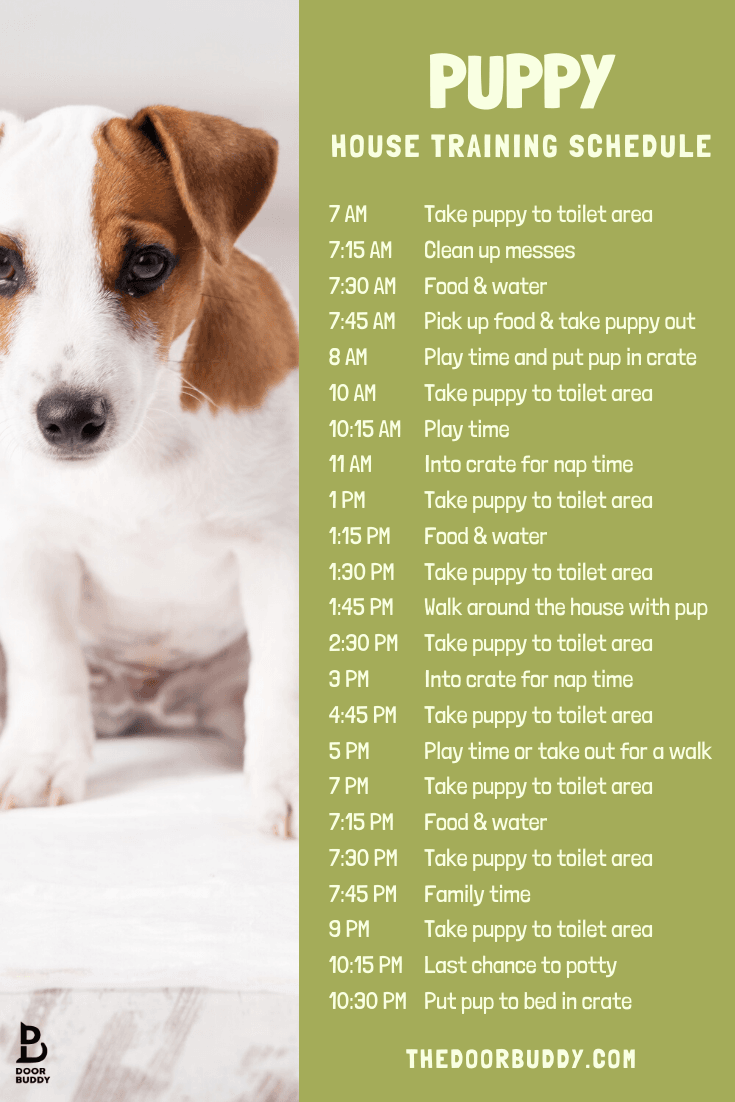
Consistency is king when house training puppies. Dogs thrive on routine, and a predictable schedule for feeding, playing, and potty breaks will significantly speed up the learning process.
- Frequent Potty Breaks: Take your puppy outside first thing in the morning, last thing at night, after waking from naps, after playing, and after eating or drinking. Aim for every 1-2 hours initially for very young puppies.
- Designated Potty Spot: Choose a specific area in your yard for your puppy to eliminate. Always take them to this spot.
- Positive Reinforcement: When your puppy successfully eliminates outside, praise them enthusiastically and offer a high-value treat immediately. This immediate reward is vital for them to associate the action with the praise.
- Supervision: Keep a close eye on your puppy when they are not in their crate. Look for signs they need to go, such as circling, sniffing intensely, or whining. If you see these signs, rush them outside.
- Crate Training: Introduce the crate gradually. Start with short periods and positive associations. When you cannot supervise your puppy directly, use the crate. Take them out immediately upon release. This helps prevent accidents and teaches them to hold it.
What to Do When Accidents Happen
- Don’t Punish: Never scold, hit, or rub your puppy’s nose in an accident. This will only teach them to fear you and to hide when they need to eliminate, making house training more difficult.
- Interrupt and Redirect: If you catch your puppy in the act, clap your hands to startle them (not scare them) and immediately take them outside to their designated spot. If they finish outside, praise and reward them.
- Clean Thoroughly: Clean up any accidents indoors with an enzymatic cleaner. Regular cleaners won’t eliminate the odor completely for a dog’s sensitive nose, leading them to return to the same spot.
House Training Adult Dogs and Rescue Dogs
While puppies are blank slates, adult dogs, especially those from shelters, may have ingrained habits or a lack of previous training. House training adult dogs requires patience and understanding that they may have unique challenges.
Understanding Potential Issues with Adult Dogs
- Medical Conditions: Rule out any underlying medical issues (like UTIs or kidney problems) with your veterinarian that might be causing incontinence.
- Previous Experiences: A rescue dog may have lived in a kennel environment or experienced inconsistent training, leading to confusion.
- Anxiety or Stress: Changes in environment or separation anxiety can sometimes manifest as house-soiling.
Adapting Your Approach for Adult Dogs
The core principles of routine, positive reinforcement, and supervision still apply, but you might need to adjust the timeline and expectations.
- Observe and Learn: Pay close attention to your new dog’s habits. When do they seem to need to go? Are there specific triggers?
- Establish a Strict Schedule: Start with a very frequent schedule, similar to a puppy’s, and gradually extend the time between breaks as your dog shows success.
- Crate Training for Adult Dogs: For dogs who are not yet reliably house-trained, crate training can be very effective. It provides a safe space and prevents accidents when unsupervised. Ensure the crate is the right size and introduce it positively.
- Be Patient with Accidents: Expect that accidents will happen. Clean them up without fuss and recommit to your schedule and supervision. For adult dogs, it can sometimes take longer to break old habits.
- Consider Professional Help: If you’re struggling, especially with a rescue dog, consult a professional dog trainer or a veterinary behaviorist. They can offer tailored advice and help identify any underlying behavioral issues. For example, learning how to train a rescue dog to pee outside might involve understanding their past experiences and building confidence.
Advanced House Training Techniques and Troubleshooting
Once your dog is reliably going potty outside, you might wonder about easy to house train dogs or how to maintain good habits. Here are some advanced tips and common troubleshooting scenarios.
Dealing with Specific Problems
- Submissive Urination: Some dogs, particularly when excited or nervous, urinate a small amount. This is not a house-training issue but a communication one. Avoid direct eye contact, approach from the side, and keep greetings calm.
- Excitement Urination: Similar to submissive urination, some dogs urinate when overly excited. The solution involves managing their excitement levels and continuing with consistent training.
- Marking: Usually seen in intact males, marking is a territorial behavior. Neutering can help, along with diligent cleaning and management.
- Regressions: It’s not uncommon for a previously house-trained dog to have accidents. This could be due to a change in routine, stress, a medical issue, or simply a lapse in supervision. Revisit your training schedule and reinforce good habits.
The Role of Diet and Hydration
What and when your dog eats and drinks plays a significant role in their potty needs.
- Scheduled Feeding: Feed your dog at the same times each day. This allows you to predict when they will need to eliminate.
- Limit Water Before Bed: If your dog has accidents overnight, consider removing their water bowl an hour or two before bedtime, but always ensure they have access to water throughout the day.
- Avoid Free-Feeding: Leaving food out all day can lead to unpredictable potty needs.
When to Seek Professional Help
If you’ve been consistent with your training for several weeks and are not seeing progress, or if your dog is experiencing sudden house-soiling issues, it’s time to consult a professional. A veterinarian can rule out medical causes, and a certified professional dog trainer can assess your dog’s behavior and provide a customized training plan. They can help with everything from basic house-training to more complex issues, ensuring you find house trained dogs for sale that have gone through rigorous programs, or helping you achieve that result with your own dog.
The Long-Term Benefits of Successful House Training
Successfully house training your dog is a foundational achievement that paves the way for a deeper relationship and a more fulfilling life together. It fosters mutual respect and understanding, making your dog a welcome and accepted part of your household. For those looking to adopt, understanding house train older dog techniques or working on house training adult dogs can make the transition smoother and more successful.
Remember, every dog is an individual, and the time it takes to house train can vary. By remaining patient, consistent, and using positive reinforcement, you’ll not only teach your dog where to do their business but also build their confidence and strengthen the incredible bond you share. The journey of house training is a significant part of your dog’s story, and with dedication, it will lead to many happy chapters ahead.
