
Embarking on the journey of welcoming a new dog into your home is an incredibly exciting time. Amidst the joy and cuddles, one of the first and most crucial tasks you’ll face is teaching your furry friend proper potty etiquette. Learning how to house train a dog is a foundational step in building a happy, healthy relationship with your pet. It’s a process that requires patience, consistency, and a whole lot of love. This guide will walk you through everything you need to know, from establishing a routine to handling inevitable accidents, ensuring a smooth transition for both you and your new companion. Understanding the core principles behind this training is similar to understanding the basics of what it means for your pet to be fully adjusted to home life, a concept you can explore further by learning what does house trained mean for a dog.
Understanding the Basics of House Training
Before diving into the step-by-step process, it’s essential to grasp the core principles of house training. This isn’t about punishment; it’s about teaching your dog the right place to eliminate and rewarding them for getting it right. Dogs are creatures of habit, and your goal is to create a positive and predictable routine they can understand and follow.
The Three C’s of Success
Successful house training boils down to three key elements: Consistency, Communication, and Compassion.
- Consistency: Every person in the household must be on the same page. A consistent schedule for feeding, walking, and potty breaks is the backbone of your training plan.
- Communication: Learn to read your dog’s signals. Whining, circling, sniffing the ground intently, or scratching at the door are all common signs that your dog needs to go out.
- Compassion: Accidents will happen. Your dog is not being spiteful or disobedient. Getting angry or punishing them will only create fear and anxiety, which can set your training back significantly.
As renowned canine behaviorist Dr. Sarah Miller often states, “House training is your dog’s first lesson in understanding the human world. It’s a dialogue built on positive reinforcement and mutual respect, not a monologue of commands and corrections.”
A Step-by-Step Guide to House Train Your Dog
Ready to get started? Follow these proven steps to guide your dog toward becoming a fully house-trained member of the family. This process works for puppies and can be adapted for adult dogs who may need a refresher course.
Step 1: Establish a Consistent Routine
The first rule of house training is creating a rock-solid routine. A dog’s bladder and bowels work like clockwork, especially when their daily schedule is predictable.
- First Thing in the Morning: The very first thing you do when you wake up is take your dog outside. Their bladder will be full after a night’s sleep.
- Last Thing at Night: Take them out right before you go to bed to minimize the chance of overnight accidents.
- After Meals: Most dogs, especially puppies, need to relieve themselves about 15-30 minutes after eating.
- After Naps: Just like humans, dogs often need to go after waking up from a nap.
- After Playtime: Excitement can stimulate the bladder, so a trip outside after a vigorous play session is always a good idea.
- Regular Intervals: For young puppies (under 6 months), take them out every 1-2 hours. A good rule of thumb is that a puppy can hold it for about one hour for every month of their age.
Step 2: Choose a Designated Potty Spot
Designate one specific area in your yard where you want your dog to do their business. When you take them out for a potty break, always bring them to this same spot on a leash. The lingering scent will encourage them to go there again in the future. This consistency helps them understand that this specific location is their personal lavatory.
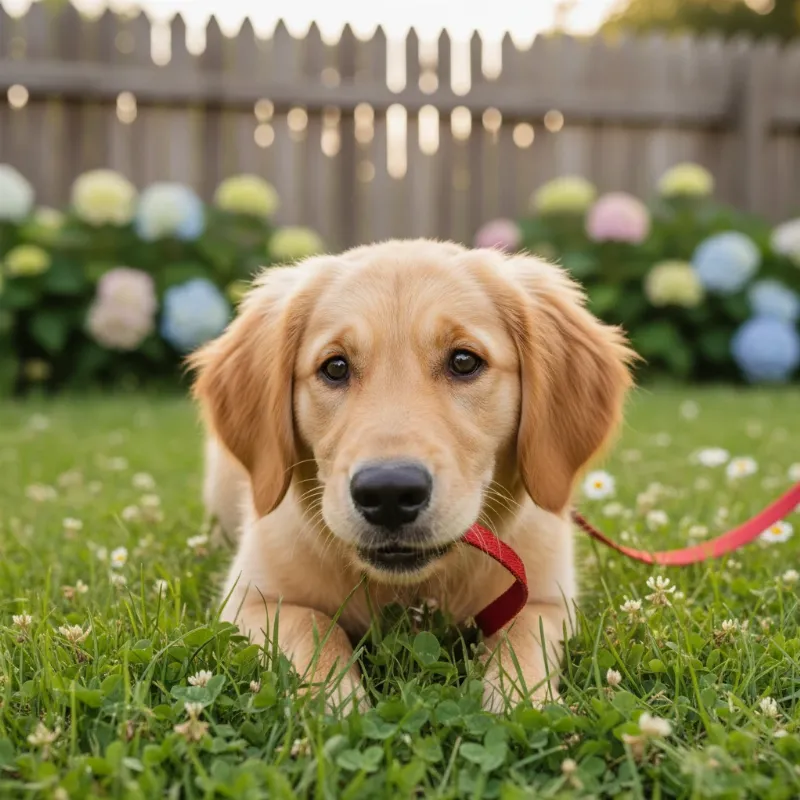 A golden retriever puppy sniffing a designated grassy spot in a backyard, clearly illustrating the concept of a dedicated area for house training a dog.
Step 3: Use a Cue Word
As your dog is in the act of eliminating, introduce a consistent verbal cue like “Go potty” or “Do your business.” Say it in a calm, encouraging tone. Over time, your dog will associate this phrase with the action of relieving themselves. This can be incredibly useful later on when you need them to go on command, such as before a long car ride or during bad weather.
Step 4: Reward Success Lavishly
This is the most important step. The moment your dog finishes eliminating in the designated spot, praise them enthusiastically! Use a happy, excited tone of voice. Say “Yes! Good potty!” and immediately give them a high-value treat. This positive reinforcement creates a powerful association in their mind: “When I go to the bathroom outside, I get something wonderful!” This makes them want to repeat the behavior. For those who find this process challenging, remember that structured learning environments like dog house training classes can provide expert guidance and support.
Handling Accidents with Grace
No matter how diligent you are, accidents are a normal part of the process. How you react to them is critical to your success.
What NOT to Do
- Don’t Punish Your Dog: Never scold, yell at, or physically punish your dog for having an accident. Rubbing their nose in it is an outdated and harmful practice that only teaches them to fear you.
- Don’t Let Them See You Clean: If possible, take your dog to another room while you clean up the mess. Some dogs may misinterpret your cleaning actions as a form of attention, which could inadvertently reinforce the behavior.
What You SHOULD Do
- Interrupt if You Can: If you catch your dog in the act of having an accident, make a quick, sharp noise (like a clap) to startle and interrupt them. Immediately scoop them up and take them outside to their potty spot. If they finish outside, praise and reward them.
- Clean Thoroughly: It is crucial to clean the soiled area with an enzymatic cleaner specifically designed for pet stains. Regular household cleaners won’t eliminate the odor-causing molecules that attract your dog back to the same spot. If you don’t use an enzymatic cleaner, your dog’s powerful sense of smell will tell them, “This is a good place to pee again!” Learning how to train dog not pee in the house is largely about managing and cleaning accidents properly.
Crate Training: Your Secret Weapon
Crate training can be an invaluable tool for house training. Dogs have a natural instinct not to soil their den or sleeping area. When used correctly, a crate becomes a safe, secure space for your dog and helps you manage them when you can’t supervise them directly.
How to Use a Crate for House Training
- Choose the Right Size: The crate should be just large enough for your dog to stand up, turn around, and lie down comfortably. If it’s too big, they may feel comfortable using one end as a bathroom and the other as a bedroom.
- Make it a Happy Place: Introduce the crate with positive reinforcement. Toss treats inside, feed them their meals in the crate, and provide special toys they only get when they’re inside. Never use the crate as a form of punishment.
- Use it for Short Periods: When you can’t watch your dog, place them in their crate. This prevents them from wandering off and having an accident. Take them out of the crate and directly to their potty spot immediately upon letting them out.
For those who need a more hands-on approach right in their home environment, considering an in house dog trainer kansas city can provide personalized strategies tailored to your dog and your living space.
Special Considerations for House Training
Not all dogs are the same. Puppies, adult dogs, and rescues may have different needs and challenges when it comes to house training.
House Training a Puppy
Puppies have small bladders and limited control. They require more frequent potty breaks and constant supervision. The “one hour per month of age” rule is a good starting point, but always err on the side of taking them out more often than you think is necessary.
House Training an Adult Dog
If you’ve adopted an adult dog, don’t assume they are house-trained. They may have never been taught the rules of living indoors, or their previous routine may have been completely different. Start from scratch as if they were a puppy, establishing a consistent schedule and rewarding success. The good news is that adult dogs have better bladder control and can often learn more quickly. Sometimes, the issue isn’t a lack of training but adapting to a new environment, which is why a structured approach like indoor dog house training can be particularly effective.
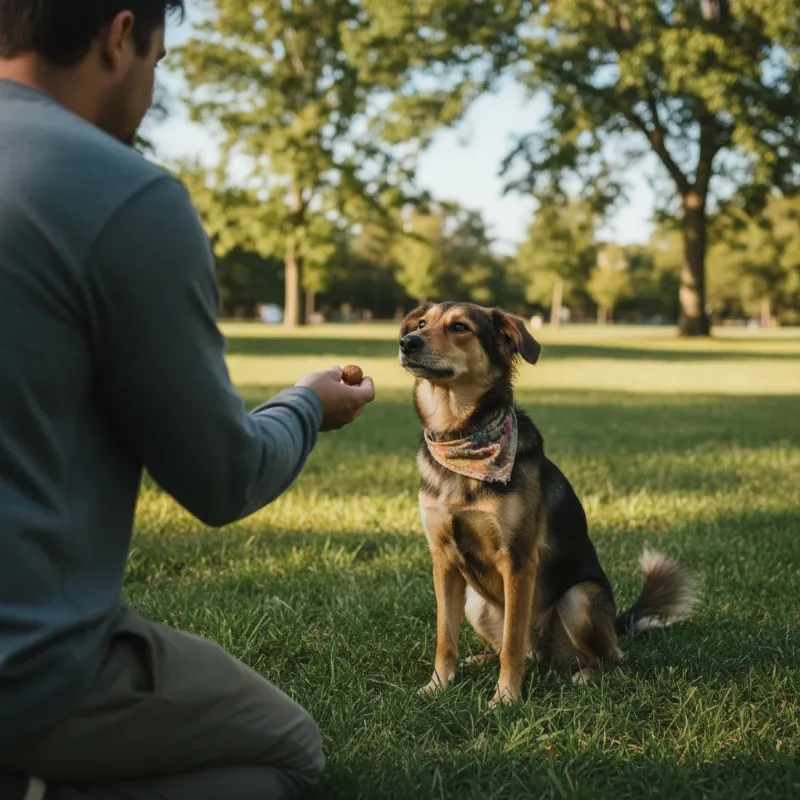 A person's hand giving a small treat to an adult rescue dog sitting patiently on the grass, demonstrating positive reinforcement in house training.
Frequently Asked Questions (FAQ)
How long does it take to house train a dog?
The timeline varies greatly depending on the dog’s age, breed, and past experiences. On average, it can take anywhere from 4 to 6 months for a puppy to be fully reliable. For some dogs, it may take up to a year. Consistency is the key to speeding up the process.
Should I use potty pads?
Potty pads can be a useful tool, especially for people living in apartments or for small breeds that have trouble in cold weather. However, they can sometimes confuse the dog, teaching them that it’s okay to go indoors. If you use them, be consistent about their placement and work on transitioning the dog to eventually go outside.
Why is my dog having accidents again after being trained?
This is known as regression and it can happen for several reasons. A change in routine, stress, or an underlying medical issue could be the cause. If your otherwise well-trained dog starts having accidents, a visit to the veterinarian is a good first step to rule out any health problems like a urinary tract infection.
Does the breed of the dog affect how easy it is to house train them?
While every dog is an individual, some smaller breeds can be more challenging to house train due to their smaller bladders and faster metabolisms. However, any breed can be successfully house-trained with consistent effort and positive reinforcement.
What should I do if I work all day?
House training a dog when you work full-time requires some extra planning. You might need to hire a dog walker or ask a friend or neighbor to let the dog out midday. Crate training is especially helpful in this scenario. For puppies, it’s almost essential that they get a midday break.
Your Path to a Potty-Trained Pup
Learning how to house train a dog is a rite of passage for every dog owner. It’s a journey that tests your patience but ultimately deepens the bond you share with your pet. By establishing a consistent routine, using positive reinforcement, and handling accidents with understanding, you are teaching your dog one of the most important skills for a harmonious life together. Remember that every dog learns at a different pace. Stay positive, celebrate the small victories, and enjoy the process of watching your companion learn and grow.
