
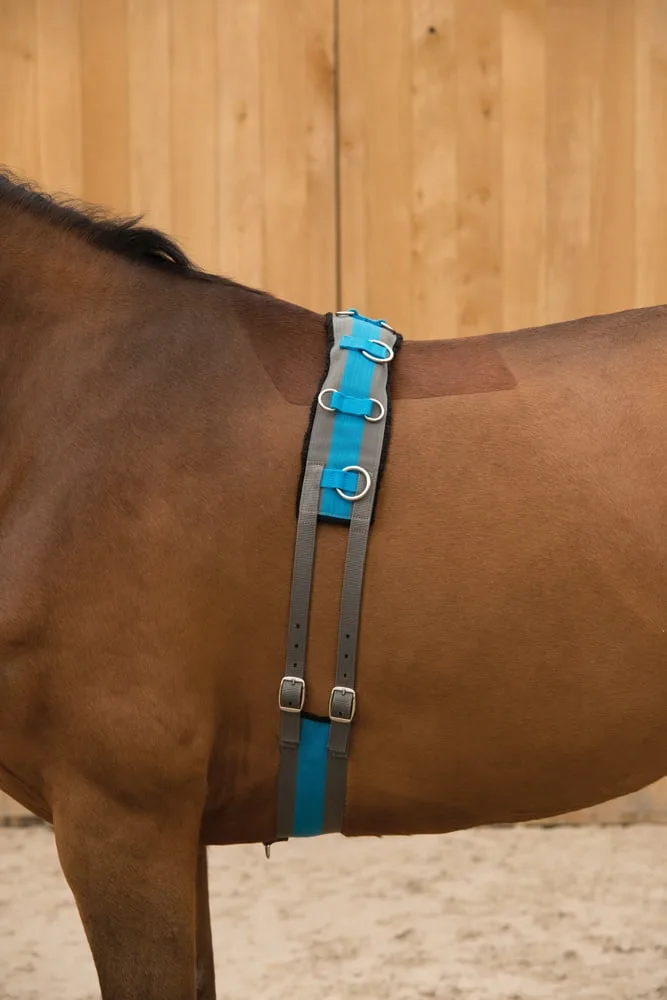
Hobble training a horse is a fundamental skill that enhances safety, control, and freedom during various equestrian activities. Whether you’re camping, grazing your horse in a new pasture, or simply want to teach them to stand quietly, hobbles provide a reliable method for keeping your horse secure. This guide will walk you through the essentials of hobble training, from choosing the right equipment to implementing effective training techniques.
Understanding Hobbles and Their Purpose
Hobbles are restraints that limit a horse’s movement, typically by connecting two or more legs. They are not meant to cause pain or discomfort but rather to create a boundary the horse learns to respect. The primary goal of hobble training is to teach your horse to move calmly and acceptably within the restrictions of the hobbles, preventing them from becoming panicked or injured. This training is crucial for:
- Pasture Management: Allowing horses to graze in designated areas without wandering off.
- Camping and Trail Riding: Securing horses overnight or during stops in unfenced areas.
- Veterinary Care: Keeping horses still for examinations, treatments, or farrier work.
- Building Trust: Teaching a horse to be comfortable and cooperative, strengthening the human-equine bond.
Types of Hobbles and Selection
When selecting hobbles, consider the size of your horse, their temperament, and the intended use. The most common types include:
- Leather Hobbles: Durable and traditional, often preferred for their comfort and longevity. They typically feature adjustable straps and sturdy buckles.
- Webbing (Nylon) Hobbles: Lightweight, strong, and often more affordable. They can be easier to clean and maintain.
- Chain Hobbles: Generally not recommended for training as they can be harsh and may cause injury if not used with extreme caution and by experienced handlers.
Key Features to Look For:
- Adjustability: Ensure the hobbles can be adjusted to fit your horse snugly but comfortably, without chafing.
- Padding: Some hobbles come with padding around the leg cuffs to prevent rubs.
- Hardware Quality: Look for strong, rust-resistant buckles and rings.
It is essential to choose hobbles that are specifically designed for horses, as dog hobbles or other types may not be suitable and could pose a safety risk.
The Art of Hobble Training a Horse: A Step-by-Step Approach
Hobble training should always be approached with patience, consistency, and a focus on positive reinforcement. Never force a horse into hobbles; instead, allow them to become accustomed to the process.
Step 1: Introduction to Hobbles
- Familiarization: Before even attempting to put hobbles on, let your horse see, smell, and investigate them. Dangle them loosely, rub them against your horse’s legs, and associate them with positive experiences like treats or grooming.
- Slight Restriction: Once your horse is comfortable, gently place the hobbles around two of their legs – typically the front two or a front and hind leg. Start with a very loose setting, just enough to make them aware of the hobbles.
- Positive Association: Encourage your horse to take a few steps. Reward any calm acceptance or attempts to move with praise and gentle encouragement. If they seem anxious, loosen the hobbles immediately and return to familiarization.
Step 2: Gradual Restriction and Movement
- Short Sessions: Begin with very short sessions, no more than 5-10 minutes at a time. The goal is for the horse to learn that the hobbles mean they can still move, albeit with some limitation.
- Encouraging Movement: Gently encourage your horse to walk. Many horses will naturally figure out how to move their legs in sequence. If a horse pulls back or panics, the hobbles are likely too tight or the horse isn’t ready. Release the pressure and try again later with looser hobbles.
- Teaching the “Stop”: When you want the horse to stop, apply gentle pressure. When they yield to the pressure and stop, immediately release the pressure and reward them. This teaches them to respond to the restraint.
Step 3: Increasing Duration and Independence
- Longer Sessions: As your horse becomes more comfortable, gradually increase the duration of your training sessions.
- Introducing to Pasture/Corral: Once your horse reliably accepts hobbles and moves calmly, you can try hobbling them in a safe, enclosed pasture or corral for short periods. This simulates real-world scenarios.
- Supervision is Key: Always supervise your horse when they are hobbled, especially in the early stages. Check regularly for any signs of discomfort, rubbing, or entanglement.
Essential Tips for Successful Hobble Training
- Consistency is Crucial: Train regularly, even if it’s just for a few minutes each day. This repetition helps the horse understand and accept the training.
- Patience and Positive Reinforcement: Never scold or punish your horse for not understanding. Use praise, treats, and calm encouragement to build their confidence.
- Safe Environment: Always train in a secure area where the horse cannot injure themselves or escape.
- Proper Fit: Regularly check that the hobbles are not too tight, which can cause sores or impede circulation. Conversely, hobbles that are too loose may not be effective or could cause tripping.
- Listen to Your Horse: Pay attention to your horse’s body language. If they show signs of extreme stress or fear, stop the session and reassess your approach. Perhaps they need more time with desensitization.
- Consider Your Horse’s Experience: A horse that has never encountered hobbles before will require more time and patience than one who has been hobbled previously.
Hobble Training for Specific Disciplines
Hobble Training for Trail Riding and Camping
For trail riders, hobble training is invaluable. It allows you to let your horse graze freely at a campsite or during a long break without worrying about them straying. The goal here is for the horse to relax and eat while hobbled, knowing that you will return to fetch them. This type of training requires the horse to be comfortable standing and moving slowly over varied terrain. For those looking to refine this skill, understanding how to train a horse to be caught is also beneficial, as it ensures you can easily retrieve your horse after hobbling.
Hobble Training for Pasture Management
If you need to contain your horse in a specific paddock or field, hobbles can be an effective tool. However, it’s important that the pasture is safe and free of hazards like deep ditches, sharp objects, or aggressive other horses. The horse should be able to reach food and water comfortably while hobbled. For horses that are difficult to manage in confined spaces, techniques similar to those used in horse trailer training near me – focusing on calm acceptance of confinement – can be adapted.
Common Issues and Troubleshooting
- Horse Panics and Pulls Back: This is the most common issue. It indicates the horse is afraid of the restriction. Immediately loosen the hobbles and go back to basic familiarization. Ensure you are not applying pressure when the horse pulls.
- Horse Falls or Trips: Hobbles may be too long, too loose, or the horse is not yet coordinated with them. Train in a safe, flat area. Start with hobbles that allow minimal movement and gradually increase.
- Sores or Rubbing: The hobbles are likely too tight, or the material is abrasive. Ensure proper fit and consider padded hobbles. Check your horse’s legs daily for any irritation.
- Horse Refuses to Move: Some horses become “stuck” or freeze when hobbled. Gently encourage movement from behind, or try having a second person lead them slowly. Positive reinforcement for every step is key. If problems persist, seeking advice from an experienced trainer like ed chambers horse trainer can provide personalized solutions.
Advanced Considerations
While basic hobble training focuses on front legs or front and hind legs, some advanced techniques might involve hobbling all four legs for specific safety situations, though this requires expert handling and is not recommended for general use. Understanding the principles behind hobble training horse can extend to various aspects of horse management. Similarly, the concept of controlled restriction in hobble training a horse shares parallels with teaching horses to accept veterinary procedures or equipment.
Hobble training is a valuable skill that promotes safety, independence, and a deeper connection with your horse. By approaching the training process with patience, consistency, and a thorough understanding of your horse’s needs, you can successfully equip your equine partner with the ability to move calmly and confidently, even when restricted.
