
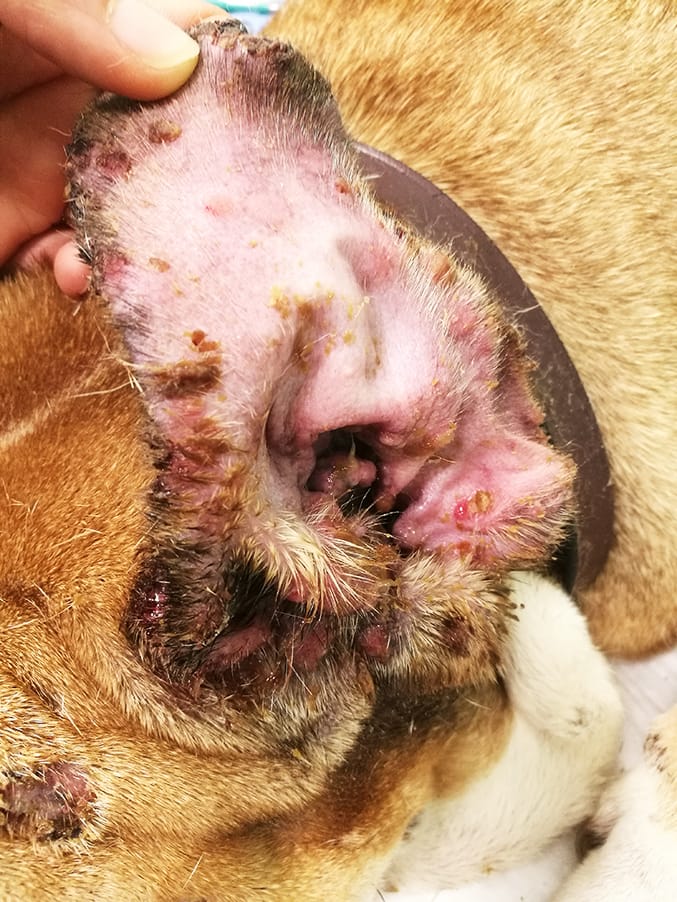
Dog ear infections are a common and often frustrating ailment for pet owners. Symptoms like head shaking, scratching, foul odors, and discharge can signal discomfort and pain in your canine companion. While veterinary intervention is sometimes necessary, particularly for severe cases, many ear infections can be effectively managed at home using natural remedies. Understanding the causes and implementing preventative measures are crucial for long-term ear health in dogs.
Understanding Dog Ear Infections
Ear infections in dogs can manifest in three main areas of the ear:
- Otitis Externa: Infection or inflammation of the visible outer ear canal.
- Otitis Media: Infection or inflammation of the middle ear, which can develop if otitis externa is left untreated or if a foreign object penetrates the eardrum.
- Otitis Interna: Infection or inflammation of the inner ear, potentially leading to balance issues and deafness, and often a consequence of unresolved otitis media.
Symptoms can range from mild itching and head tilting to severe signs like loss of balance, circular walking, and drooping facial features. It’s important to note that these symptoms warrant a visit to your veterinarian.
Why Natural Remedies Are Preferred
Conventional veterinary treatments for ear infections often involve antibiotics, steroids, and topical medications. While these may offer temporary relief, they primarily address the symptoms rather than the root cause. Antibiotics can disrupt the natural gut flora, potentially leading to other health problems, while steroids suppress the immune system, which can have detrimental side effects.
Discharge and inflammation in a dog’s ears can be a natural bodily process to eliminate toxins from food, medications, or the environment. Suppressing these symptoms with conventional treatments can drive the disease deeper into the body, leading to more serious health issues. Therefore, identifying and addressing the underlying cause is key to a lasting solution.
Effective Home Remedies for Dog Ear Infections
When managing less severe ear infections at home, it’s best to avoid introducing too many substances directly into the ear canal unless necessary for comfort. The focus should be on addressing the root cause. However, for immediate relief from itching and discomfort, several natural remedies can be employed:
- Green Tea: Steep two green tea bags in 8 oz of boiling water, allow to cool to lukewarm, and use to gently cleanse the ear canal.
- Calendula Tincture: Dilute 5-10 drops of calendula tincture in one cup of lukewarm filtered water. Apply a small amount to the ears to help reduce pain and inflammation due to its antimicrobial properties.
- Grapefruit Seed Extract (GSE): Mix 10 drops of GSE with 0.5 oz of pure aloe vera juice for topical cleaning. Internally, add 3-5 drops to your dog’s food. GSE is a potent antioxidant with antibacterial, antiviral, and antifungal properties.
- Oil of Oregano: Combine one drop of oil of oregano with 0.5 oz of warm pure aloe vera juice. Use a cotton ball soaked in this mixture to clean the visible parts of the ear.
- Apple Cider Vinegar: A mixture of equal parts apple cider vinegar and filtered water can help alleviate itching. Apply to the visible parts of the ear and gently massage the base of the ear. Ensure the liquid reaches the ear canal.
- Mullein Drops: Herbalists often recommend mullein-garlic oil, which can be purchased or homemade by infusing mullein leaves and flowers (and optionally garlic) in olive oil for 2-3 weeks. Apply a few drops of warmed oil into the ear canal daily.
Homeopathic Approaches
Homeopathic remedies can also be considered, with specific remedies suggested based on your dog’s symptoms:
- Belladonna: For ears that are very hot and inflamed, accompanied by irritability.
- Pulsatilla: Useful for acute flare-ups with sensitivity, redness, and yellowish discharge, often seen in dogs who dislike wetness and have a sweet disposition.
- Hepar Sulphuris: Beneficial for irritable dogs who dislike their inflamed ears being touched.
For chronic or recurring ear issues, consulting a professional homeopath is recommended for a personalized treatment plan.
Identifying the Causes of Ear Infections
Several factors can contribute to ear infections in dogs:
- Yeast Overgrowth: While yeast naturally exists in healthy ears, an imbalance can lead to infections, often characterized by a dark brown, yeasty-smelling discharge.
- Bacterial Infection: This can result in a foul-smelling yellow or greenish discharge.
- Foreign Bodies: Grass seeds, foxtails, dirt, water, or even insects can irritate the ear canal and lead to infection.
- Aural Hematoma: Caused by excessive head shaking or scratching, resulting in blood pooling within the ear flap cartilage.
- Ear Mites: These contagious parasites, common in puppies, leave a “coffee-ground” discharge and can cause significant itching.
It’s crucial to remember that an ear infection is often a symptom of a deeper underlying issue.
Preventing Ear Infections in Dogs
Proactive measures are vital for preventing recurring ear infections:
- Diet: A fresh, raw, and organic diet is essential. Kibble, high in carbohydrates, can feed yeast and disrupt the natural balance.
- Supplements: Opt for natural, food-based supplements. Probiotics and prebiotics are particularly important for gut and immune health.
- Minimize Pharmaceuticals and Chemicals: Reduce exposure to unnecessary vaccines, antibiotics, medications, and chemical pest preventatives, as these can harm gut health and disrupt the immune system. Opt for natural alternatives whenever possible.
- Immune Support: Address any underlying allergies or intolerability. Gut health is foundational to a strong immune system.
- Manage Gut Health: A healthy gut is crucial for overall health. Conditions like leaky gut can manifest as ear problems.
- Avoid Excessive Ear Cleaning: Healthy ears generally do not require frequent cleaning. Over-cleaning can disrupt the natural balance. If cleaning is necessary, use a gentle solution like organic witch hazel on a cotton ball, and never use cotton swabs, which can damage the ear canal.
- Address Chronic Diseases: Conditions like hypothyroidism or autoimmune diseases can contribute to ear infections and require management by a veterinarian.
Certain breeds, particularly those with floppy ears or dense ear hair, such as Poodles and Cocker Spaniels, may be more susceptible to ear infections.
Long-Term Approach and When to Seek Veterinary Care
While home remedies can effectively manage external ear infections like otitis externa, deeper infections (otitis media and interna) may require professional veterinary attention. It’s important to address ear infections promptly, as they can escalate and lead to serious complications like deafness or facial paralysis.
Otitis externa can progress to otitis media, and in some cases, that could develop into otitis interna. So it’s important to deal with ear infections promptly before they become more serious. In severe cases, your dog could develop facial paralysis, deafness, or symptoms of vestibular disease.
When dealing with chronic ear issues, patience is key. Remember that the discharge is often a sign of your dog’s body releasing toxins. Suppressing this natural healing process with harsh treatments can lead to more severe health problems down the line. By focusing on a holistic approach that includes diet, lifestyle changes, and natural remedies, you can help your dog achieve and maintain healthy ears. For persistent or severe infections, consult your veterinarian or a holistic vet to determine the best course of action for your dog’s specific needs.
