
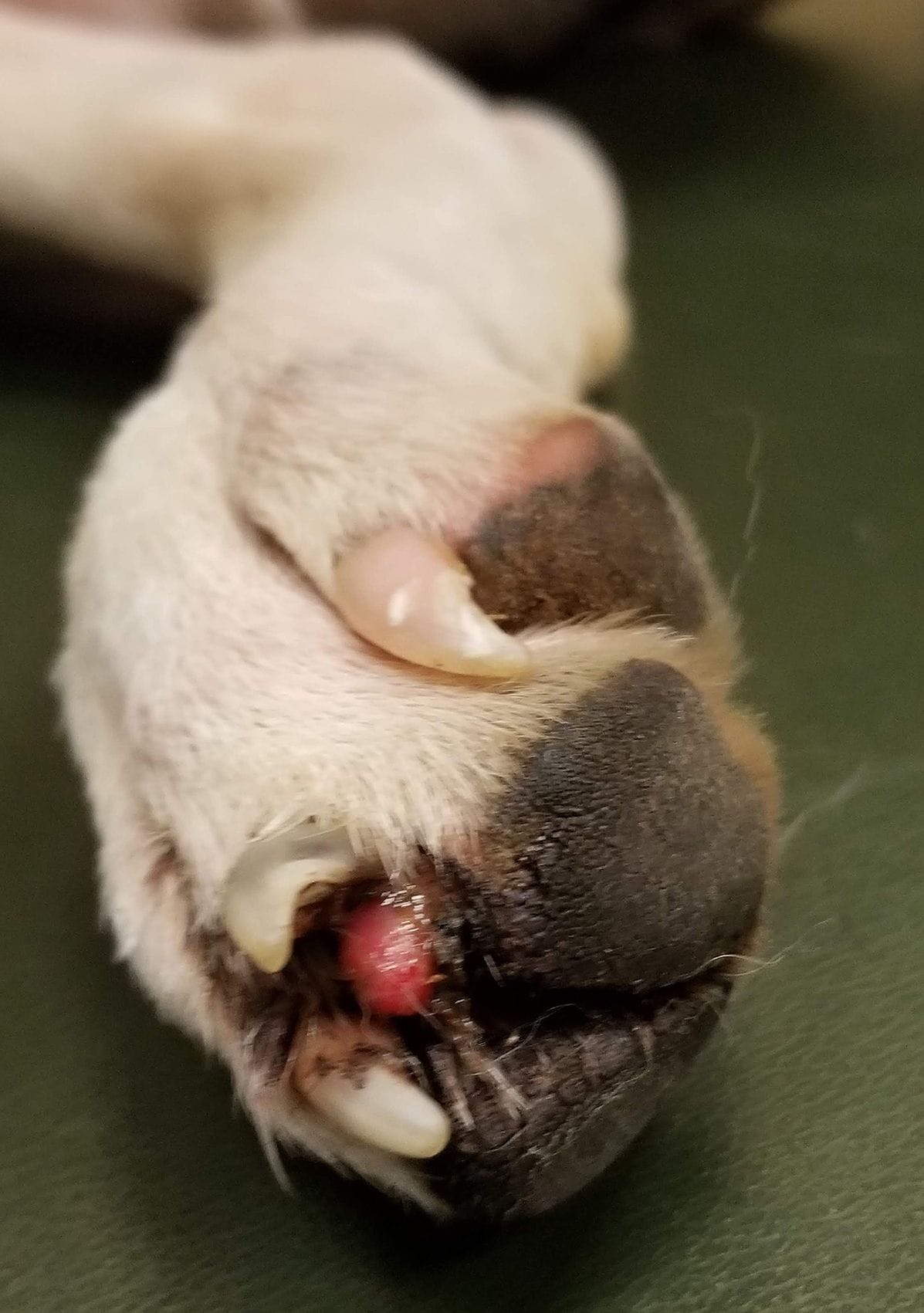
A dog’s paw pads, despite their seemingly tough exterior, are among the most sensitive parts of their body. Composed of thick skin with underlying fat tissue, these structures are vital for shock absorption, traction, balance, and protection against abrasive surfaces. Regular inspection of your dog’s paws is crucial, especially for those who spend significant time outdoors or on rough terrain. Cracked paws can cause considerable pain and discomfort, and understanding their causes and treatments is essential for every dog owner.
Understanding Cracked Dog Paws
While minor scuffing and superficial cracks are a normal part of wear and tear, deep fissures that split the paw pad constitute a painful injury. If these cracks are severe enough to reach the blood vessels, bleeding will occur. Extensive, diffuse networks of smaller cracks can also indicate a serious issue. Dry paw pads can exacerbate these problems, leading to discomfort and deeper fissures.
Signs associated with dry or cracked paw pads that warrant veterinary attention include:
- Redness and Inflammation: Indicating irritation or infection.
- Swelling: Suggesting fluid accumulation due to injury or inflammation.
- Bleeding: A clear sign of deep cracks affecting blood vessels.
- Limping or Hesitation to Walk: Demonstrating pain and discomfort.
- Excessive Licking or Chewing: The dog’s attempt to self-soothe or clean a painful area.
- Lameness: Inability to bear full weight on the affected paw.
Common Causes of Cracked Dog Paws
Several factors can contribute to dry and cracked paw pads in dogs:
- Environmental Factors: Extreme weather conditions, such as hot pavements or freezing temperatures, can dry out and damage paw pads. Exposure to ice, snow, and de-icing salts can also be harsh.
- Allergies: Environmental or food allergies can manifest as skin issues, including dry, cracked paws.
- Underlying Medical Conditions: Certain health problems, like hypothyroidism or autoimmune diseases, can affect skin health and lead to paw pad issues.
- Nutritional Deficiencies: A lack of essential fatty acids or other nutrients in a dog’s diet can impact skin integrity.
- Contact Irritants: Exposure to chemicals, fertilizers, or rough surfaces can cause dryness and cracking.
- Age: Older dogs may experience changes in their skin, leading to increased dryness.
- Genetics: Some breeds may be predisposed to certain skin conditions.
Caring for Cracked Dog Paws
Early detection is key. If your dog has superficial cracks that are not bleeding, home care may be sufficient.
- Cleaning: Gently clean your dog’s paws after walks, especially after exposure to rough terrain or potentially irritating substances. Use dog-specific grooming wipes or a soothing oatmeal shampoo. Always ensure products are safe for dogs to prevent accidental toxicity or allergic reactions.
- Moisturizing: Apply a thick, dog-specific moisturizing butter, balm, or wax product to the paw pads, nose, and elbows. These products create a protective barrier and help heal dry skin. Consider options like a moisturizing butter or balm to the paw pads.
- Protection: For added protection, especially during walks on rough surfaces or in harsh weather, consider using waterproof booties.
When to Consult Your Veterinarian
It is advisable to seek veterinary care if you notice cracked or excessively dry paw pads for the first time, or if you observe any of the following:
- Deep cracks that are bleeding.
- Significant swelling around the paw pads.
- Your dog is limping or showing reluctance to walk.
- Noticeable changes in your dog’s behavior related to their paws.
- Persistent licking, chewing, or biting at the paws.
Your veterinarian can diagnose the underlying cause through a physical examination and may recommend diagnostic tests, such as blood work to check for conditions like hypothyroidism or allergies.
Treatment Options for Cracked Dog Paws
Treatment strategies will vary based on the diagnosis. Common approaches include:
- Topical Treatments: Prescribed ointments or balms to promote healing and moisturize.
- Pain Management: Medications to alleviate discomfort if the cracks are severe.
- Antibiotics: If a bacterial infection is present.
- Addressing Underlying Conditions: Treatment of allergies, hormonal imbalances, or other medical issues.
Your vet may also recommend a recovery cone to prevent your dog from licking treated areas or further injuring their paws.
Preventing Cracked Dog Paws
Proactive measures can help prevent the recurrence of dry and cracked paw pads:
- Post-Walk Cleaning: Always clean your dog’s paws after walks, especially on rough or potentially irritating surfaces.
- Protective Footwear: Utilize dog booties when hiking on rough terrain or walking in extreme weather conditions.
- Safe De-icing Agents: Use pet-friendly de-icing agents or salt substitutes during winter months.
- Regular Moisturizing: Apply a protective balm, butter, or wax product to create a barrier against environmental hazards.
Even minor cracks can worsen without proper care, so consistent application of protective agents is beneficial.
Frequently Asked Questions About Cracked Dog Paws
How are a dog’s cracked paws treated?
Treatment depends on the cause but commonly involves pain medications, moisturizing agents, and antibiotics if infection is present. Addressing any underlying medical conditions is also crucial.
Can Vaseline be used on a dog’s cracked paws?
It is not recommended to use Vaseline on dogs. Ingestion of petroleum jelly can lead to significant stomach upset.
Is coconut oil beneficial for a dog’s cracked paws?
Coconut oil is not recommended for topical application on cracked paws due to potential ingestion risks, which can cause stomach upset or pancreatitis. It may also trigger allergic reactions.
Why might a dog’s paw pads be ripping?
Paw pads can tear from exposure to extreme temperatures, contact with irritants like salts or chemicals, or running on hard, rough surfaces. Ripping can also be a symptom of underlying medical conditions such as hypothyroidism or allergies.
