
Dealing with a cat who has suddenly stopped using their litter box can be frustrating. Understanding a cat’s preferences and ensuring their environment meets their needs is crucial for preventing and resolving these behavioral issues. This guide will delve into the common reasons behind litter box avoidance and provide actionable solutions to help your feline friend return to their designated spot.
Litter Box Quantity and Preferences
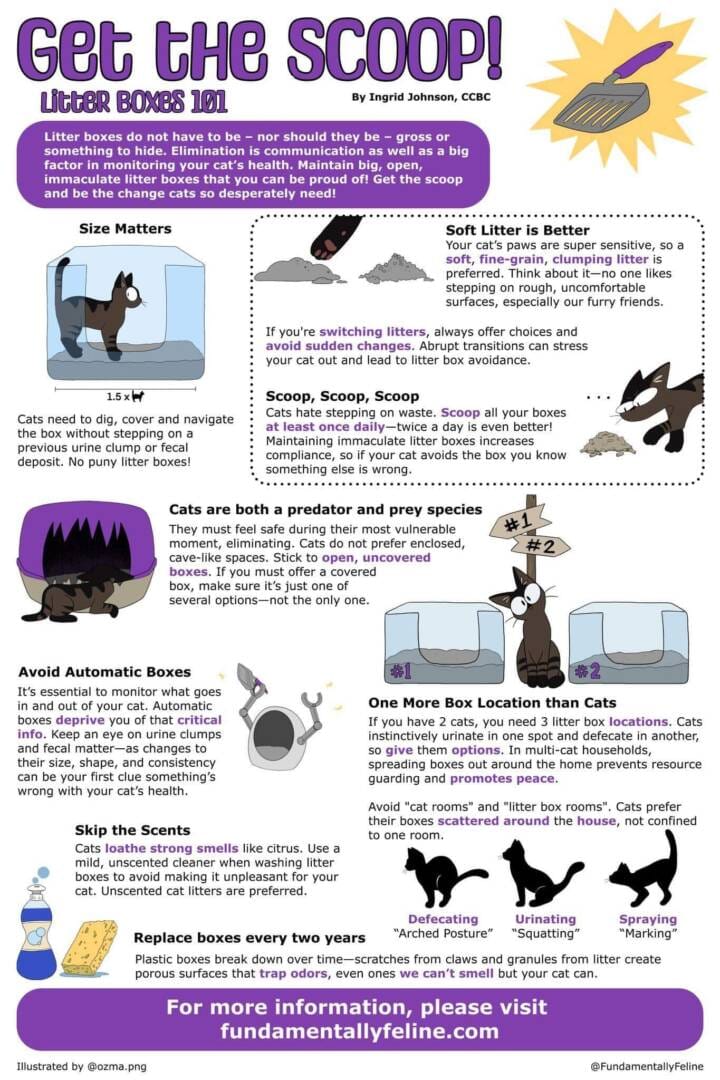
The general rule of thumb for litter box number is one box per cat, plus an additional one. This is especially important in multi-cat households, as some cats may prefer to urinate in one box and defecate in another. If you have a multi-level home, ensure there’s at least one box per cat on each floor.
Cats are known for their discerning tastes, and litter type can be a major factor. They possess sensitive noses and dislike strong chemical or perfume scents. Studies indicate that most cats prefer unscented clumping litter with a texture similar to fine sand. However, offering a variety of litter types—such as clay, shredded paper, sawdust, wood pellets, or even sand—allows your cat to choose their favorite. If you need to switch litters, do so gradually by mixing small amounts of the new litter with the old, increasing the proportion over time. Even if you haven’t changed litters, a cat might develop an aversion to a long-used brand. In such cases, introducing a new type of litter in an additional box can be effective. Some brands even offer natural attractants to guide your cat.
Litter Box Size and Design
Many commercially available litter boxes are too small for adult cats to comfortably use. Consider using a large plastic storage container, like those designed to fit under a bed, to provide more space. Cats, especially senior or overweight individuals, may also struggle with boxes that have high walls. Additionally, while convenient for owners, plastic liners can be off-putting to some cats.
Open litter boxes are generally preferred over hooded ones. Hooded boxes can trap odors that cats find unpleasant. Some cats like to stand up tall while urinating and may feel confined in a covered box.
Litter Box Location
Cats are creatures of habit, and sudden relocation of their litter box can cause distress. If a move is necessary, make it gradual, inching the box a few feet each day to allow your cat to adjust.
Choose quiet, private locations away from your cat’s food and water stations. Avoid high-traffic areas or noisy spots like laundry rooms. You might need to use baby gates or pet doors to prevent unwanted intrusions from humans or other animals. Avoid placing boxes in tight corners, such as between a toilet and bathtub, as your cat might feel trapped. Experiment with placing boxes in several different locations; your cat will likely choose the spot that feels safest.
Maintaining Cleanliness
Cats are fastidious creatures, and keeping their litter boxes impeccably clean is paramount to encouraging their use. Some cats will only use a box once before it needs cleaning, so regular scooping is essential, especially in multi-cat homes.
Scrub boxes with mild, low-fragrance soap at least weekly. Avoid bleach or ammonia-based products. Instead, use diluted vinegar water for stubborn odors. Old, scratched boxes can retain odors that are difficult to remove, making replacement a good idea. If trying a new box and litter, consider placing it in a new location while keeping the old one available. Gradually clean the new box more frequently and eventually discard the old one once your cat consistently uses the new setup.
Restoring Litter Box Use
To encourage a cat to use their litter box again after a period of avoidance, ensure one or more boxes are highly appealing and easily accessible. Thoroughly clean any soiled areas outside the box with an enzymatic cleaner to eliminate odors that might attract your cat back to the spot. Regular cleaners may mask the scent for humans but not for cats. Enzymatic cleaners break down odor-causing bacteria, making the area truly clean.
Blocking off areas where accidents occur or placing deterrents can also help. If your cat is eliminating in a specific room, close the door. Cats generally avoid eliminating where they eat, so placing a small bowl of treats in the soiled area (after cleaning) might discourage future accidents. Making the area undesirable with aluminum foil, double-sided sticky tape, or plastic carpet runners (with the “teeth” side up) can also be effective. Ensure these deterrents cover a generous area around the soiled spot.
Consider installing an outdoor cattery, which might provide a preferred elimination environment for your cat. Remember to apply the same principles of litter box preference, location, and cleanliness to these outdoor spaces.
In some persistent cases, consulting your veterinarian about neutraceuticals or behavior-modifying medications might be beneficial. These can help reduce stress and aid in retraining your cat to use the litter box.
Additional Tips for Litter Box Harmony
To further satisfy your cat’s natural instincts and minimize litter box issues:
- Provide Personal Space: Ensure each cat has their own designated bed, pod, or high-up shelves. This territorial ownership can boost their confidence and reduce the likelihood of inappropriate elimination.
- Manage Outdoor Stimuli: Cover windows if your cat seems stressed by seeing other cats or activity outside.
- Engage in Play: Playing with wand toys helps cats release defensiveness, encourages them to share space, and tires out dominant cats. Litter box issues can stem from a cat feeling bullied or insecure about their territory. Vigorous play sessions, mimicking prey, can exhaust cats, reducing their focus on territorial patrolling and marking behaviors.
- Create Vertical Space: Install shelving to provide vertical territory, reducing competition for space. Ample sunny lounging spots also contribute to a cat’s well-being.
- Utilize Scent-Soakers: Provide corrugated cardboard objects for cats to rub on, scratch, and mark with their scent. Placing these at room entrances can help establish neutral territory.
- Use Pheromone Diffusers: Products like Feliway mimic natural feline facial pheromones, promoting a sense of calm and reducing territorial marking behaviors like urination or scratching.
- Address Separation Anxiety: If separation anxiety is a factor, designate a comforting blanket for your cat to associate with your presence and leave it in their favorite hang-out spot when you’re away.
Resources for Feline Behavior
Understanding feline behavior can be complex. For further reading, consider these highly recommended books:
- Starting from Scratch: How to Correct Behavior Problems in Your Adult Cat by Pam Johnson-Bennett
- Your Outta Control Cat by Christine Church
If you’ve exhausted all other options, consulting a certified cat behaviorist can provide specialized insights and solutions for persistent litter box problems.
