
It’s a common concern for multi-pet households: what happens if your cat sneaks a few bites of dog food? While a curious nibble might seem harmless, understanding the significant nutritional differences between dog and cat food is crucial for your feline’s long-term health. This article delves into why dog food isn’t suitable for cats, the potential risks, and how to prevent your cat from developing a taste for their canine housemate’s meals. We’ll also guide you on when to consult a veterinarian and how to ensure your cat receives the optimal nutrition they need to thrive.
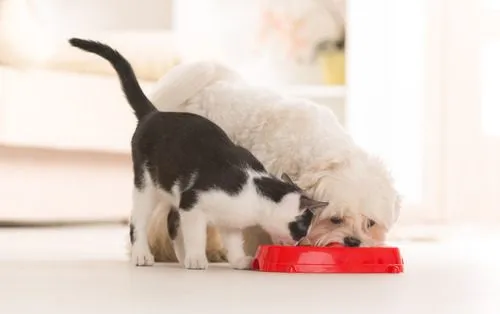 A cat and a dog eating from separate bowls, illustrating separate dietary needs.
Understanding the Nutritional Divide: Cats vs. Dogs
The fundamental reason dog food is inappropriate for cats lies in their distinct biological requirements. Cats are obligate carnivores, meaning their diet must consist primarily of animal-based proteins to obtain essential nutrients they cannot synthesize themselves. Dogs, conversely, are omnivores and possess a more flexible digestive system capable of processing a wider range of ingredients, including grains and vegetables. This core difference dictates the formulation of their respective foods.
The Critical Role of Taurine and Other Essential Nutrients
A primary concern when cats consume dog food is the insufficient amount of taurine. This essential amino acid is vital for a cat’s survival, supporting functions that dogs can manage independently. A deficiency in taurine can have severe health consequences for cats, including the development of serious heart conditions like dilated cardiomyopathy, progressive vision loss, reproductive issues, and a compromised immune system.
Protein and Fat Content Disparities
Cat food is formulated with significantly higher levels of protein and animal fats compared to dog food. Cats possess a rapid metabolism that requires a protein-rich diet to fuel their energy needs and maintain lean muscle mass. The lower protein and fat content in dog food, while perhaps palatable to a cat, does not meet these high metabolic demands over time.
Vital Vitamins and Fatty Acids
Cat food is specifically supplemented with nutrients like vitamin A and arachidonic acid, which cats cannot produce internally. Dog food typically lacks adequate levels of these critical nutrients for feline health, further highlighting the inadequacy of dog food as a regular dietary source for cats.
Responding to an Incident: Your Cat Ate Dog Food
If your cat has had an isolated incident of consuming dog food, immediate panic is usually unnecessary. For most healthy cats, a single or occasional “treat” from the dog’s bowl is unlikely to cause significant harm or noticeable symptoms. The concern escalates when dog food becomes a recurring part of your cat’s diet.
Monitoring for Digestive Upset
After an instance of your cat eating dog food, it’s prudent to observe them for any signs of gastrointestinal distress. These symptoms can include vomiting, diarrhea, a reduced appetite, or general lethargy. While minor digestive disturbances may resolve spontaneously, persistent or severe symptoms warrant a call to your veterinarian for professional advice.
Examining the Dog Food Ingredients
Take a moment to review the ingredients list on the dog food your cat consumed. If it contains common feline allergens or sensitivities, such as soy, corn, or artificial additives, you may want to be more vigilant in monitoring your cat for any adverse reactions.
Maintaining Regular Feeding Routines
Despite the detour into the dog’s food bowl, it’s important to stick to your cat’s established feeding schedule. This consistency helps to reinforce healthy eating habits and prevents further nutritional imbalances that could arise from seeking out alternative food sources. For advice on establishing a balanced diet, consider resources on kitten and litter box care, which often emphasize routine.
Long-Term Health Implications of Consistent Dog Food Consumption
While an occasional foray into the dog’s food bowl might be forgivable, a consistent habit of your cat eating dog food can lead to serious nutritional deficiencies and chronic health problems.
The Specter of Malnutrition
Over an extended period, a diet that includes dog food can result in a range of health issues. These may manifest as a dull or poor-quality coat, unintended weight loss or gain, muscle wasting, and a noticeable decline in energy levels. Cats relying on dog food may not be receiving the essential calories and nutrients required for optimal bodily function and vitality.
Reinforcing Undesirable Behaviors
If your cat repeatedly gains access to dog food, they may develop a preference for it, making it more challenging to transition them back to a species-appropriate diet. This can also introduce tension and competition during mealtimes, particularly if the dog becomes protective of their food. Addressing such behaviors early is key; understanding adult cat training principles can help manage these issues.
Strategies to Prevent Your Cat from Eating Dog Food
The most effective method to avoid the complications associated with your cat eating dog food is to prevent access altogether. Implementing a few strategic adjustments to your feeding routine can foster a more structured and species-specific mealtime environment.
Implementing Separate Feeding Zones
To minimize the temptation, feed your cat and dog in entirely different rooms or at staggered times. This physical separation ensures that each pet can focus on their own food without the distraction or competition from the other.
Supervising Meal Times Diligently
If your cat has a tendency to investigate or steal from the dog’s bowl, active supervision during mealtimes is essential. Monitor both pets until they have finished eating, and promptly remove any leftover food to prevent opportunistic snacking.
Utilizing Interactive or Slow Feeders for Dogs
Employing puzzle feeders or slow feeders for your dog can help regulate their eating pace and make it considerably more difficult for a feline opportunist to snatch a bite. This adds a layer of management to the dog’s feeding that indirectly protects the cat’s dietary integrity. For owners dealing with inter-species dynamics, learning how to get cats to like new puppy can offer insights into managing animal interactions.
When to Seek Veterinary Care
While a singular instance of your cat eating dog food is rarely an emergency, certain circumstances warrant a consultation with your veterinarian. It is advisable to contact your vet if:
- Your cat exhibits any signs of illness or distress following the consumption of dog food.
- The dog food in question contains ingredients that are unusual or potentially harmful to cats.
- Your cat has a pre-existing history of food allergies or sensitivities.
- The behavior of eating dog food is becoming a persistent habit.
Our veterinary teams at Heart + Paw are dedicated to assisting you with any concerns regarding your cat’s diet and behavior. If you notice changes in your cat’s eating habits or are unsure how to proceed, please reach out to us or schedule an appointment online.
Understanding Feline Fascination with Dog Food
Many pet owners ponder the underlying reasons why their cat might be drawn to dog food, especially when their own food bowl is readily available. While individual motivations vary, several common factors contribute to this behavior.
The Appeal of Novelty: Curiosity and Boredom
Cats are inherently curious creatures, and the dog’s food bowl can present an intriguing novelty. If a cat is experiencing under-stimulation or boredom, they may seek out new experiences, including exploring and sampling food sources outside their usual diet.
Aromatic Allure: Stronger Scents
Dog food often possesses a more potent aroma compared to cat food, which can be particularly attractive to feline senses. The higher fat content or added flavor enhancers in some dog foods can further increase their appeal to cats.
Instinctual Competition: The Drive to Compete
In multi-pet households, some cats may develop a competitive mindset regarding food. If a cat perceives a scarcity or feels they might be missing out, they may assertively seek access to other pets’ food sources, including the dog’s bowl. For cats prone to anxiety, understanding how to train your cat to be calm can indirectly help manage stress-related feeding behaviors.
Nurturing Your Cat’s Health Through Proper Nutrition
A cat’s diet is the cornerstone of their overall health, energy levels, and quality of life. While the occasional taste of dog food is typically inconsequential, consistent consumption poses significant health risks. Ensuring your cat is fed a diet specifically formulated for their species guarantees they receive the essential nutrients vital for a long, healthy, and active life. If your cat has eaten dog food and you have concerns about their health or behavior, our veterinary professionals are ready to provide expert guidance. Contact one of our Heart + Paw locations or book an appointment online to help restore your cat’s optimal nutritional balance.
