
Transitioning an outdoor cat to an indoor lifestyle, especially with the use of a litterbox, can be a significant concern for new cat parents. Fortunately, with the right approach and a few simple steps, most cats can be successfully litterbox trained with minimal difficulty. This guide will walk you through the process, focusing on creating a comfortable and encouraging environment for your feline companion.
Every cat deserves a clean and accessible place to do their business. The general rule of thumb is to have one litterbox per cat, plus an additional one. For a new cat, setting up two litterboxes in strategically chosen locations can greatly increase the chances of success. Consider placing one box near the door your cat used to access the outdoors, as this area might hold familiar scent cues. A second box should be situated in a more private, quiet area of the home where your cat feels secure. Some cats prefer a sense of privacy, so placing a litterbox behind a cat-safe plant or a decorative screen can enhance their feeling of security. To deter your cat from using the plant itself as a bathroom, you can temporarily cover the soil with pieces of tin foil.
Choosing the Right Litterbox
The type of litterbox you select plays a crucial role in your cat’s acceptance of it. Many owners are tempted by aesthetically pleasing covered litterboxes, but these can often be frightening to cats. Covered boxes can limit a cat’s escape routes, leaving them feeling vulnerable, and they tend to trap odors, which may prompt the cat to seek out a less offensiveElimination spot. While some cats may tolerate covered or even self-scooping litterboxes, many thrive with simple, uncovered options.
For cats who prefer a more expansive area, a large plastic storage container with sides about 6 inches high can be an excellent alternative to standard cat boxes. If you have an older cat experiencing joint issues, you may need to modify the container by cutting down one or more sides to ensure easy access. The Cove Litter Box from Tuft + Paw offers a good balance of compactness for smaller spaces while providing ample room for comfort. Its durable construction and optional accessory walls cater to different cat preferences, and it simplifies cleanup.
Selecting the Ideal Cat Litter
The choice of cat litter is equally important. While scented litters might seem appealing to humans for odor control, they can be highly offensive to a cat’s sensitive nose. It’s generally best to opt for unscented, clumping litter, as most cats exhibit a preference for these. Some cats can be particularly picky about their litter substrate. To discover your cat’s preference, consider setting up two boxes with different types of litter, such as clumping and non-clumping varieties, and observe which one your cat consistently chooses. The less-preferred litter can then be donated.
If your outdoor cat is accustomed to a specific substrate like dirt, you can ease the transition by gradually mixing their preferred litter with a small amount of the outdoor soil. Over time, you can reduce the proportion of soil until your cat is exclusively using the litter. Once you’ve identified your cat’s favorite litter type, experiment with different depths to determine their preferred level. Consistency in both litter type and depth is key to encouraging proper litterbox habits.
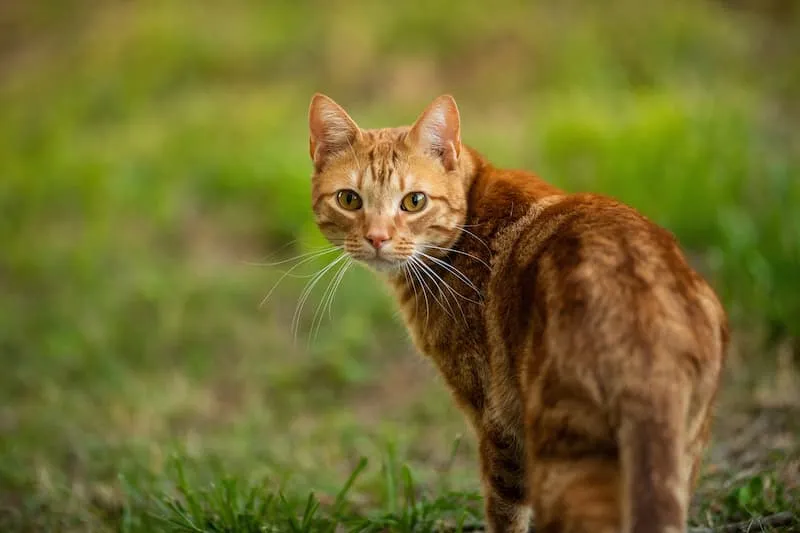 An orange outdoor cat looking curiously at the camera.
Effective Litterbox Training Techniques
Positive reinforcement is the most effective strategy for litterbox training. Avoid punishing your cat for accidents, as this can create anxiety and damage your bond, potentially leading to more elimination issues. Instead, reward your cat with something they enjoy, such as a favorite treat, a feather wand playtime, or affectionate petting, immediately after they successfully use the litterbox.
For cats unfamiliar with litterboxes, confining them to a smaller, secure area temporarily can be beneficial. This could be a large dog playpen, a room with a baby gate, or even a bathroom. Ensure this space is equipped with all their essentials: a resting spot, food, water, and toys. Consistent interaction with you throughout the day is also important. As your cat becomes more comfortable and successful with litterbox use, you can gradually expand their living area.
To help your cat understand the purpose of the litterbox, especially if they are new to it, keeping the initial smells within the box can serve as an environmental cue. For the first few instances of defecation, consider leaving the waste in the box temporarily until your cat uses it again. This preserves the scent, encouraging them to return. Once your cat has used the box successfully a few times, regular scooping to maintain cleanliness will reinforce their positive habit.
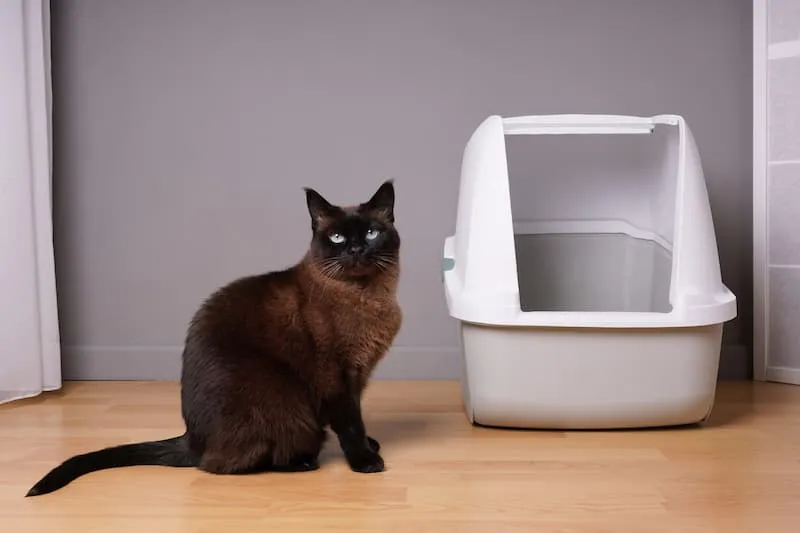 A Siamese cat sitting patiently beside its litterbox.
Additional Tips for Litterbox Success
Feline pheromone sprays can be a valuable tool in creating a calming atmosphere for your cat during their transition from outdoors to indoors, which can further support proper litterbox habits. If accidents do occur, it’s crucial to clean these areas thoroughly with a pet-safe enzyme cleaner. These cleaners effectively break down old scents that might otherwise attract your cat back to the same spot.
Remember to always keep your cat’s litterbox separate from their food and water bowls. Cats are naturally fastidious creatures and are unlikely to eliminate in areas where they eat and drink.
If your cat continues to struggle with litterbox training, or if you notice a sudden change in their elimination habits, consult your veterinarian. Various underlying medical conditions can manifest as litterbox issues, and your vet is the best resource for diagnosing and addressing these concerns. They can provide tailored advice and rule out any health problems that might be contributing to the problem. For more insights on feline behavior, you might find it helpful to learn about how to train a new kitten.
References
- Vetstreet. (n.d.). Best Unscented Cat Litters. Retrieved from https://www.vetstreet.com/home-and-cleaning/litter-boxes/best-unscented-cat-litters
- GreatPetCare. (n.d.). Reasons Your Cat Is Peeing A Lot. Retrieved from https://www.greatpetcare.com/cat-health/reasons-your-cat-is-peeing-a-lot/
- GreatPetCare. (n.d.). How To Litter Train A Kitten. Retrieved from https://www.greatpetcare.com/cat-behavior/how-to-litter-train-a-kitten/
- Tuft + Paw. (n.d.). Cove Litter Box. Retrieved from https://www.tuftandpaw.com/collections/all/products/cove-litter-box-full?variant=40277967568969
