
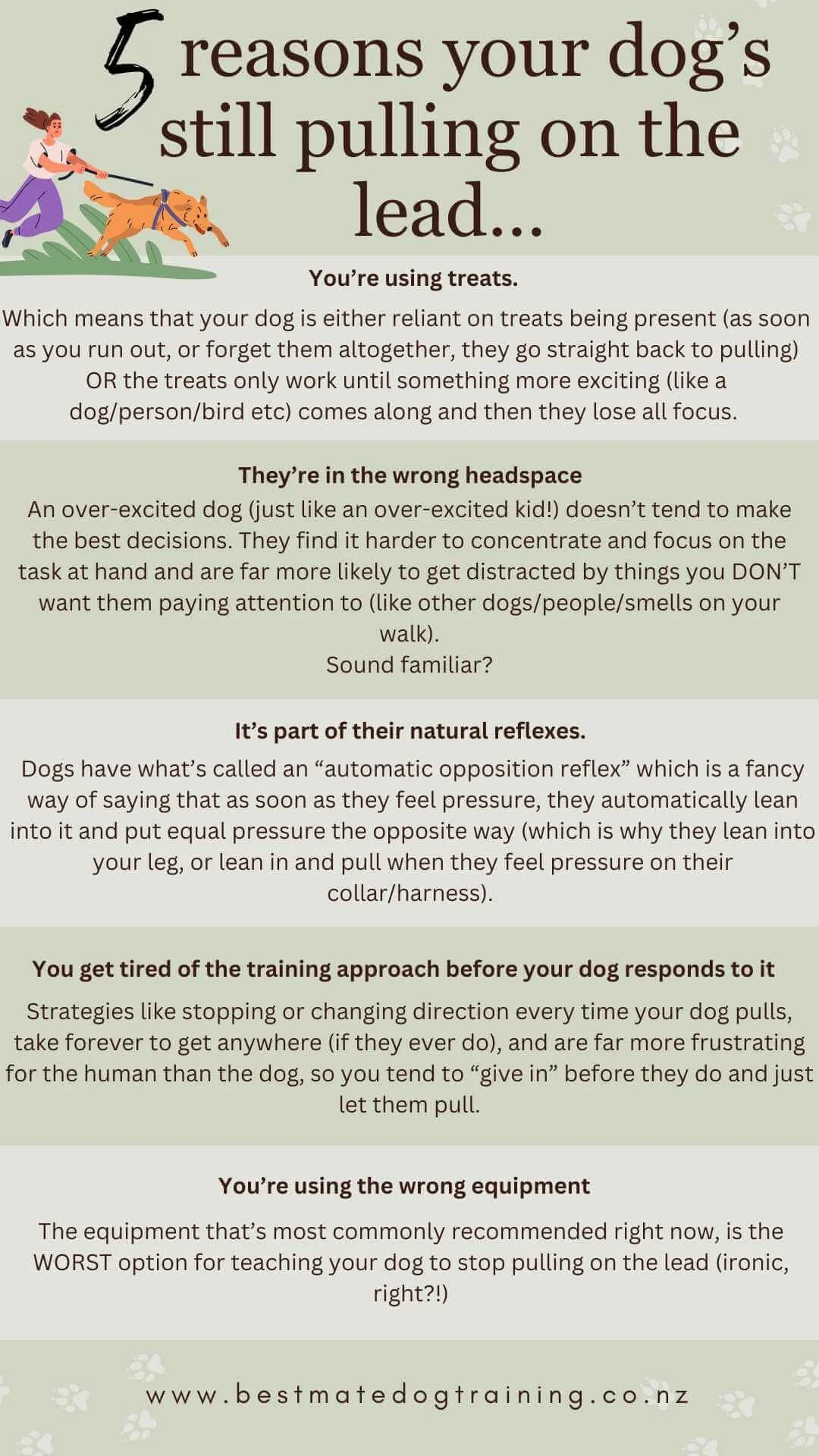
Walking your dog should be an enjoyable experience, not a tug-of-war. If your canine companion pulls relentlessly on the leash, you’re not alone. This is one of the most common training challenges faced by dog owners. This guide will delve into the reasons behind leash pulling and provide effective strategies to cultivate a more pleasant walking experience for both you and your dog.
Understanding Why Dogs Pull on Leash
Several factors contribute to a dog’s eagerness to pull ahead:
- Gait Differences: Humans and dogs have distinct walking gaits. Humans typically walk at a slower, more consistent pace, while dogs naturally prefer to trot, a faster and more energetic movement. This difference can make it uncomfortable for dogs to match our pace.
- Excitement and Exploration: Dogs are naturally curious and eager to explore the world through their senses, especially smell. The environment outside is full of fascinating scents and sights, and they want to reach them as quickly as possible. Their excitement to investigate can easily translate into pulling.
- Lack of Clear Communication: Dogs don’t inherently know that we desire them to walk calmly by our side. We need to explicitly teach them this behavior and consistently reinforce it. Without clear guidance, they will default to their natural instincts.
Effective Strategies for Leash Training
Teaching your dog to walk politely on a leash requires patience, consistency, and positive reinforcement. The goal is to make yourself more interesting and rewarding than the distractions your dog encounters.
Building Essential Foundation Skills
Before tackling loose-leash walking, ensure your dog has a solid grasp of these foundational cues:
- Name Recognition: Your dog should reliably respond to their name by looking at you. Practice this indoors by calling their name in an upbeat tone. When they turn their head, say “yes!” and reward them with a treat placed near your leg. Consistent practice, especially in low-distraction environments, is key.
- Eye Contact: Teaching your dog to make eye contact with you is crucial for maintaining their attention. Indoors, reward any instance of your dog looking at you. As they progress, practice this outdoors, always carrying high-value treats to reward their focus.
Games for Loose-Leash Walking
Transforming leash training into a fun game can significantly boost your dog’s engagement and progress:
The “Steady” Cue Game:
- Start by dropping a treat on the ground next to your left foot.
- As your dog eats, take a step to the right and call their name.
- As they move towards you, say “yes!” and reward them with a treat by your leg.
- Take a step away to re-engage them. Gradually increase the number of steps between rewards.
- Once this is mastered, begin incorporating the verbal “steady” cue just before they move towards your side.
Walking Without Dropping Treats:
- Call your dog’s name. When they make eye contact, say “steady” and turn away.
- Reward them for staying by your side and maintaining eye contact.
- Gradually increase the number of steps you take before rewarding, eventually transitioning to walking straight without turning away.
Important Considerations:
- Reinforce Frequently: Especially in the initial stages and in distracting environments, reinforce your dog’s good behavior every few steps. Gradually increase the distance between rewards as they improve.
- Slow Progression: Avoid increasing the difficulty too quickly. Ensure your dog is successful at each stage before moving to the next.
- Practice Indoors First: Master these games in low-distraction areas like your home before attempting them outdoors. Gradually introduce training in your yard, driveway, and eventually on your street. A park setting, with its high distractions, should be reserved for later stages when your dog has a solid understanding of the cues.
When to Seek Additional Support
While these methods are highly effective, some dogs may require additional tools. Consider using a no-pull harness or a head halter. No-pull harnesses are often preferred as they discourage pulling by redirecting the dog’s body when they lurch forward. Remember to always carry treats and stop walking if your dog pulls. Only resume walking when the leash is slack.
It’s vital to remember that tight leashes and forceful pulling are counterproductive. Your dog needs to learn to make the decision to walk by your side voluntarily. While there may be instances where you need to guide your dog for safety, during training, focus on keeping the leash loose and allowing your dog to make positive choices.
By understanding the reasons behind leash pulling and implementing consistent, positive training methods, you can transform your walks into enjoyable bonding experiences. If you continue to struggle, consider consulting a professional dog trainer for personalized guidance.
