
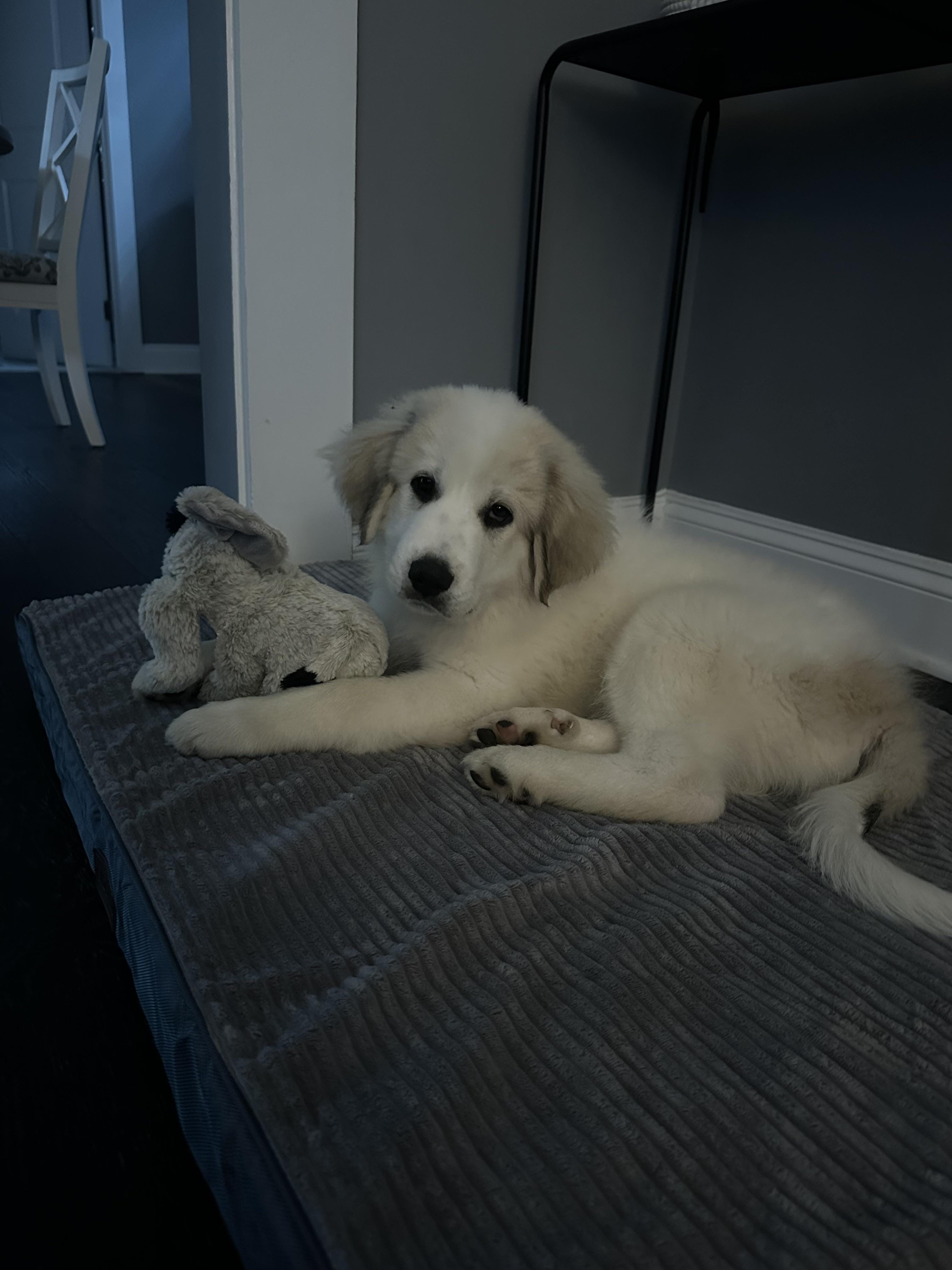
Welcoming a Great Pyrenees puppy into your home can be an incredibly rewarding experience, but it also comes with unique training challenges, especially when it comes to house-training. This breed, known for its independent and sometimes stubborn nature, requires patience, consistency, and a deep understanding of their developmental stages. This guide aims to address the common struggles faced by owners, particularly focusing on persistent indoor elimination issues that can arise even with diligent efforts. If you’re finding yourself at your wit’s end, know that effective strategies exist to help your furry companion become a well-behaved member of your family. We’ll explore how to overcome these hurdles and restore peace and cleanliness to your home.
Understanding Great Pyrenees Temperament and Training
Great Pyrenees are intelligent dogs, but their independent streak means they often think for themselves, which can translate into a challenge during training. Their thick coats and natural guarding instincts can also influence their behavior. While generally good-natured, their size and strength necessitate early and consistent training, especially for crucial commands and house-training. This breed can be prone to excessive barking, a trait that requires dedicated management from a young age. Understanding these breed-specific characteristics is the first step in developing an effective training plan.
Addressing Persistent Potty Training Accidents
The situation described, where a puppy frequently has accidents indoors despite consistent potty breaks and cleaning, is a common but frustrating hurdle. When a puppy experiences diarrhea, as this Great Pyrenees did early on, they can become accustomed to eliminating in inappropriate places. The key is to re-establish a clear understanding of where the appropriate elimination spot is. Even if your puppy goes outside occasionally, such as first thing in the morning, it indicates they understand the concept but haven’t fully generalized it to all situations. The breeder’s recommendation for probiotics, while often beneficial, may have coincided with a stressful period of adjustment, potentially exacerbating the situation.
Strategies for Reinforcing Outdoor Potty Habits
To overcome persistent accidents, a highly structured approach is crucial.
- Increased Frequency of Outings: Take your puppy out much more frequently than you think is necessary, especially after waking up, after meals, and after playtime. Celebrate every success with enthusiastic praise and high-value treats.
- Leash Association Inside: For puppies who resist eliminating outside even when taken out repeatedly, keeping them on a leash indoors can be a helpful tool. This allows you to keep them with you, making it harder for them to sneak off and have an accident. However, it’s vital to avoid dragging the dog if they resist, as this can create a negative association with the leash. Instead, practice short, positive sessions of walking indoors with the leash attached, rewarding any movement or positive engagement.
- Supervision is Key: When you cannot actively supervise your puppy, consider using a crate or a designated puppy-proofed area. This minimizes opportunities for accidents. The challenge with crate training a Great Pyrenees, as noted, can be their vocal protests. If barking is an issue, gradual introduction to the crate and positive reinforcement for quiet behavior within it is essential.
- Thorough Cleaning: Ensure that all previous accident spots are thoroughly cleaned with an enzymatic cleaner. This is crucial because lingering odors can attract the dog back to the same spot.
Overcoming Leash Reactivity and Chewing
The behavior of chewing on the leash indoors can stem from boredom, frustration, or simply a lack of understanding of what’s expected. When a puppy is tethered to you indoors and not moving, they might resort to chewing the leash out of protest or a need for an outlet.
- Structured Leash Walking Practice: When you practice leash walking indoors, keep sessions short and rewarding. Focus on rewarding loose-leash walking and gentle tugs. If the puppy starts to chew the leash excessively, redirect their attention to a chew toy or end the session on a positive note. Consistency is key to teach puppy not to pull on leash.
- Provide Appropriate Chew Toys: Ensure your puppy has a variety of engaging and safe chew toys available at all times. This helps redirect their chewing instincts away from furniture, leashes, and other inappropriate items. Rotating toys can keep them more interesting.
- Address Underlying Frustration: If the puppy seems frustrated when you need to move and they don’t want to, it might indicate a need for more structured impulse control exercises. Games that teach the puppy to wait for rewards can be beneficial.
Managing Destructive Behaviors and Barking
Great Pyrenees are known for their protective instincts, which can manifest as barking. Destructive behaviors often stem from boredom, excess energy, or anxiety.
- Mental and Physical Stimulation: Ensure your puppy receives adequate daily exercise and mental stimulation. This can include training sessions, puzzle toys, scent games, and appropriate play. A tired puppy is less likely to engage in destructive behaviors. For Great Pyrenees, it’s important to manage their energy levels appropriately.
- Barking Management: Address barking by identifying the triggers and teaching alternative behaviors. For nuisance barking, a common approach is to reward quiet behavior and ignore or redirect attention when the dog barks excessively. It’s important to avoid inadvertently rewarding barking. Teaching a “quiet” command can be useful. While how to stop bulldog pulling on lead is specific, the principles of consistent redirection and positive reinforcement apply broadly.
Conclusion: Patience and Consistency for Success
Training a Great Pyrenees, especially a puppy, demands a significant investment of time, patience, and unwavering consistency. The challenges you are facing with potty training and other behavioral issues are not uncommon for this independent breed. By implementing a structured approach, celebrating small victories, and seeking professional guidance when needed, you can help your puppy develop into a well-behaved adult dog. Remember that setbacks are part of the process, and persistence is your most valuable tool. If you continue to struggle, consider consulting with a professional dog trainer who has experience with large breeds. With the right techniques and a commitment to positive reinforcement, you can overcome these obstacles and build a strong, trusting relationship with your Great Pyrenees.
