
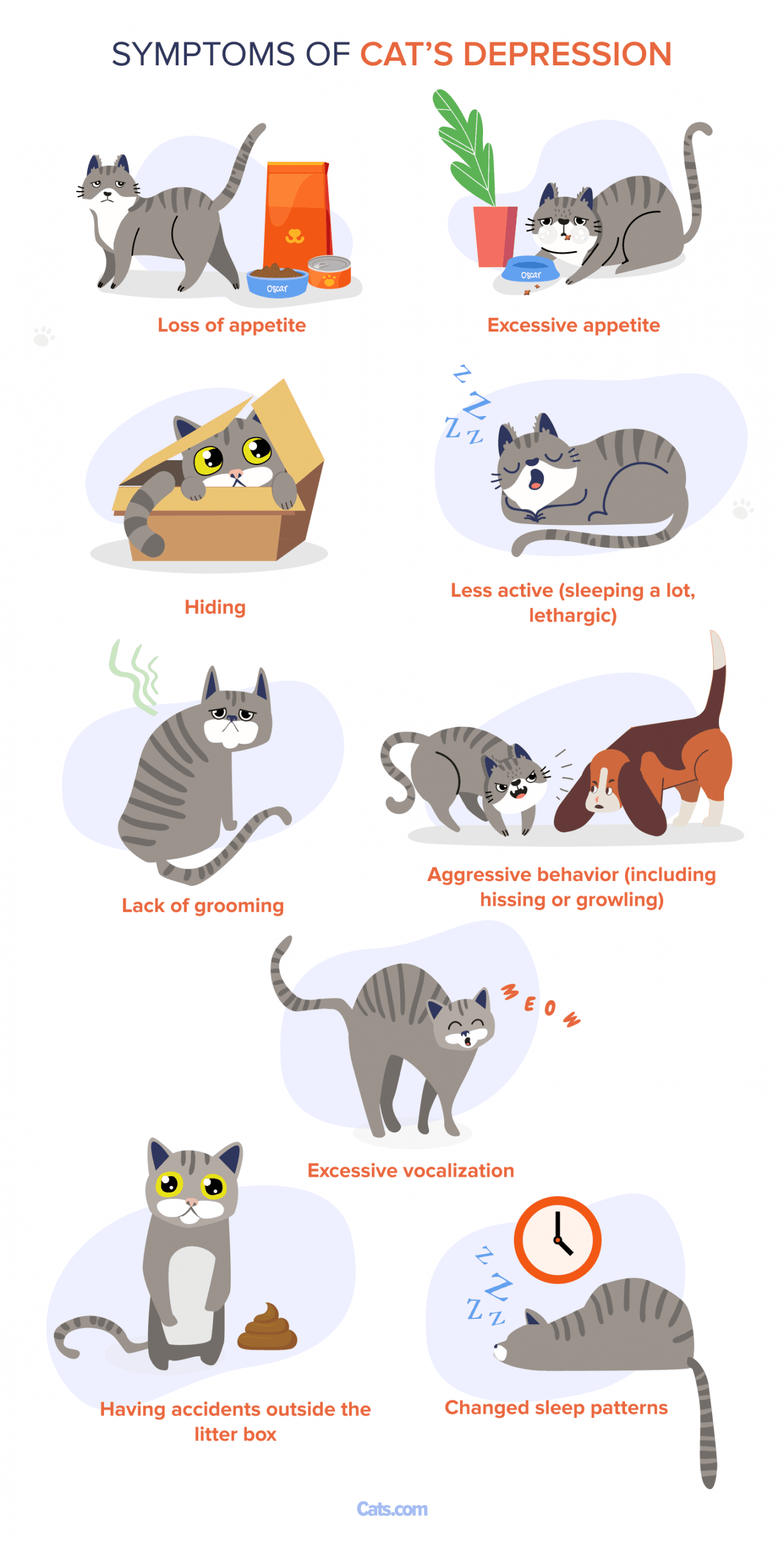
As devoted pet parents, we cherish the companionship of our feline friends. However, experiencing a sudden shift in your cat’s behavior can be concerning. If your once-angelic cat has recently become a “jerk,” exhibiting new and unwanted behaviors, it’s essential to understand the underlying causes and how to address them. This guide will help you navigate these changes, focusing on identifying potential issues and implementing effective solutions to restore harmony in your home.
Understanding the Shift: Is It Medical or Behavioral?
A sudden change in a pet’s behavior is often a signal that something is physically wrong. As certified animal behaviorist Mikel Delgado advises, the first step should always be a veterinary check-up. Your cat has always possessed the capacity for mischief, but a chosen moment to adopt a host of new, problematic traits could indicate a loss of control over her actions.
The Medical Angle: Ruling Out Underlying Health Issues
“Some of these behaviors are food- and hunger-driven, and that always makes me worried about medical issues that might change the cat’s appetite,” Delgado explains. Conditions like hyperthyroidism can lead to increased hunger and hyperactivity, resulting in a cat that is constantly meowing, more active, and generally a nuisance. A proper diagnosis from your veterinarian, followed by prescribed treatments, should be your top priority. This ensures that any underlying medical conditions are addressed promptly, paving the way for behavioral solutions if necessary.
Behavioral Causes: When Your Cat Needs More Stimulation
If your cat receives a clean bill of health from the vet, the explanation might indeed be behavioral. According to Delgado, a cat exhibiting such changes may simply need more mental and physical stimulation. “If the medical results are clear, then I would say that this is a cat that needs more stimulation,” she states. The approach then shifts towards increasing exercise, introducing food puzzles, and engaging in clicker training to reward positive behavior.
Strategies for a Happier, Better-Behaved Cat
Once medical issues are ruled out, focus on enriching your cat’s environment and routine.
Enhancing Playtime and Mental Engagement
Even with a busy household, carving out dedicated playtime with your cat each day is crucial. Since many of the recent misbehaviors are centered around food, incorporating a food puzzle can be highly beneficial. These puzzles not only slow down feeding but also provide essential mental stimulation, satisfying your cat’s need for engagement. Consider syncing your cat’s mealtime with your own to minimize disruptions during your meals. This strategy ensures your cat is occupied with her own food, reducing the temptation to seek out your human food.
The Power of Clicker Training
Clicker training offers a positive reinforcement method to teach your cat desirable behaviors. By associating a clicker sound with rewards, you can guide your cat to earn positive reinforcement for good behavior instead of inadvertently rewarding negative actions. Resources like books on clicker training or professional behaviorist assistance can be invaluable in this process. For instance, you might find it beneficial to teach your cat to play dead as a fun mental exercise.
Avoiding Unintentional Reinforcement
It’s important to avoid unintentionally encouraging the behaviors you wish to change. Any sudden or dramatic reaction to your cat’s antics, such as immediately removing her from a counter, can be perceived as attention and thus a reward. This creates a cycle where the cat learns that jumping on counters leads to human interaction. Licking plates is inherently rewarding, and adding human attention can double the reward. A calm and measured response is key. For situations where your cat insists on counter-surfing, exploring methods to teach cat not to jump on counters or understanding the best way to train cats to stay off counters can provide practical solutions. Patience is vital when trying to train a kitten to stay off counters or when attempting to train cat to not jump on table.
Conclusion: Patience and Understanding
Sudden behavioral changes in cats, while frustrating, are usually rooted in either a medical issue or a need for increased stimulation. Prioritize a veterinary visit to rule out any health concerns. If your cat is given a clean bill of health, focus on enriching her environment with more playtime, interactive feeding methods, and positive training techniques. Remember that consistency and patience are paramount. By understanding the reasons behind your cat’s behavior and implementing appropriate strategies, you can help restore a harmonious relationship with your beloved feline companion. If you’re looking for more tips on managing cat behavior, consider exploring resources on how to teach your cat to play dead.
