
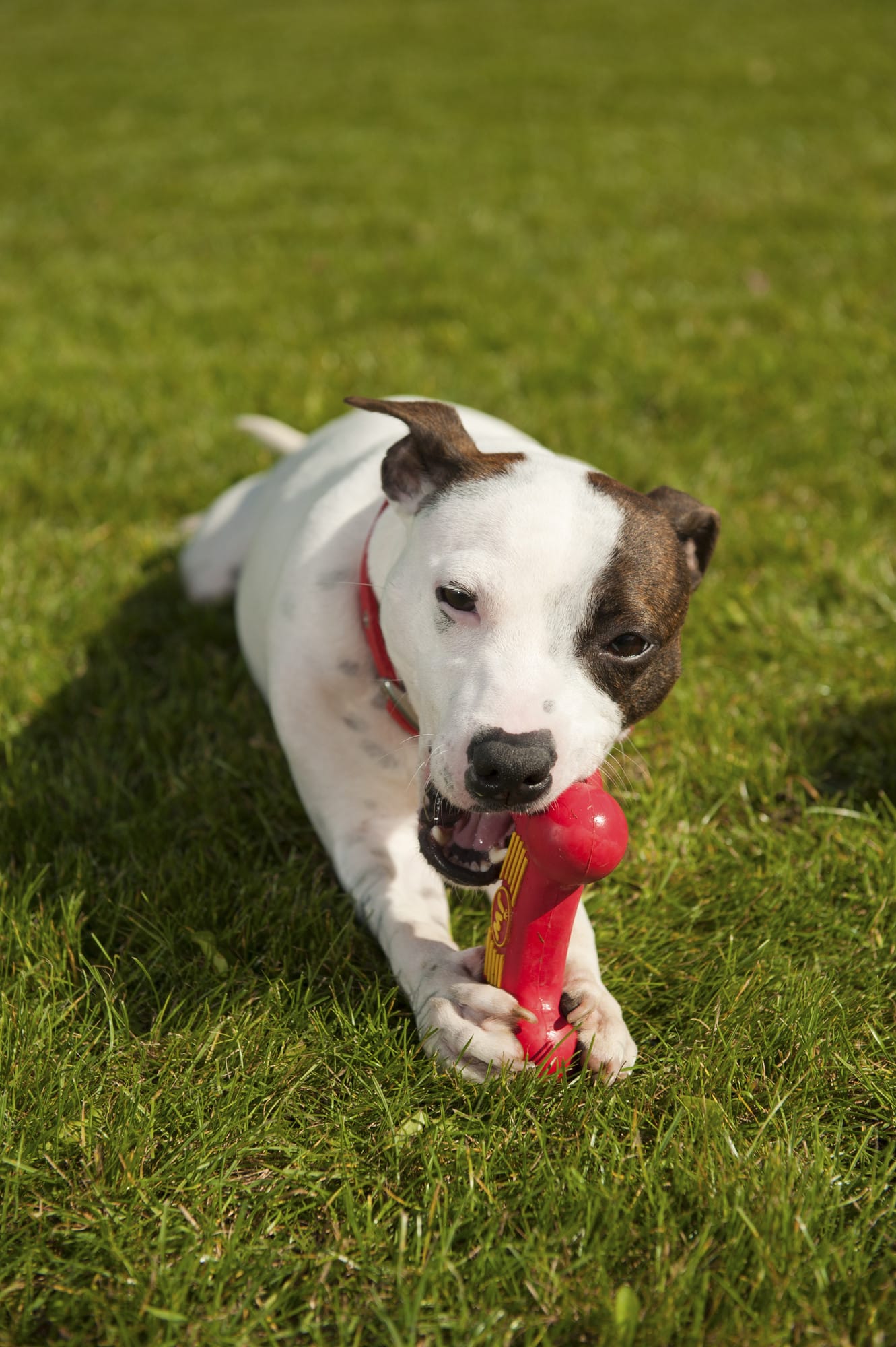
Chewing is a natural and essential behavior for dogs, serving multiple purposes from puppyhood through adulthood. For puppies, it helps alleviate discomfort from teething, while for adult dogs, it aids in maintaining strong jaws and clean teeth. Chewing also acts as a vital outlet for boredom, anxiety, and frustration. However, when this natural behavior is directed towards inappropriate items, it becomes a common concern for dog owners. This article will delve into the reasons behind destructive chewing and provide comprehensive strategies for managing and redirecting it.
Ruling Out Underlying Issues
Before addressing destructive chewing, it’s crucial to rule out any underlying behavioral or medical problems that might be contributing to it.
Separation Anxiety
Dogs suffering from separation anxiety often exhibit destructive chewing primarily when left alone. This behavior is typically accompanied by other signs like excessive whining, barking, pacing, restlessness, and inappropriate urination or defecation. If you suspect your dog has separation anxiety, seeking specialized information and guidance is recommended.
Fabric Sucking
Some dogs engage in licking, sucking, and chewing on fabrics. This behavior is sometimes linked to being weaned too early, typically before seven or eight weeks of age. If the fabric-sucking is prolonged and the dog is difficult to distract, it may have developed into a compulsive behavior. In such cases, consulting with a Certified Applied Animal Behaviorist (CAAB), a board-certified veterinary behaviorist (Dip ACVB), or a Certified Professional Dog Trainer (CPDT) with expertise in compulsive behaviors is advised.
Hunger
A dog on a calorie-restricted diet might chew destructively in search of additional food sources. This type of chewing is often directed at objects that smell like food or are related to food preparation.
Strategies for Managing Destructive Chewing
Understanding the root cause of chewing is key to implementing effective management strategies.
Puppy Teething
Puppies explore their world through chewing, and teething discomfort intensifies this urge. Similar to human infants, puppies experience pain as their baby teeth fall out and adult teeth emerge, usually by six months of age. Offering puppies frozen toys, ice cubes, or wet washcloths can provide relief. Gentle guidance is essential to teach puppies to restrict their chewing to appropriate items, such as their own toys. For more specific guidance on training younger dogs, resources on how to train a poodle dog can offer valuable insights into age-appropriate training methods.
Normal Chewing Behavior
Chewing is a fundamental behavior for dogs of all ages. It keeps their jaws strong, teeth clean, and provides mental stimulation. Providing a variety of appropriate and appealing chew toys is essential. However, simply offering toys isn’t enough; dogs need clear guidance on what is acceptable to chew.
Useful Tips for Normal Chewing Behavior:
- Dog-Proof Your Home: Secure valuables, shoes, clothing, and books to prevent access. Make it easy for your dog to succeed by removing temptations.
- Offer Appropriate Chew Toys: Provide a range of safe and engaging chew toys. Rotate toys regularly to maintain interest. Use caution with natural bones; avoid cooked bones as they can splinter. Consult your veterinarian about the safety of specific chew items for your dog.
- Edible Chews: Offer safe edible chews like bully sticks or pig ears. Supervise your dog closely to prevent choking, especially if they tend to swallow large pieces. Separate dogs during mealtimes or when providing edible chews to avoid competition.
- Puzzle Toys: Utilize puzzle toys filled with treats or kibble during times your dog is most likely to chew. This provides mental stimulation and a rewarding activity.
- Chewing Deterrents: For inappropriate items, consider using bitter-tasting deterrent sprays. Introduce the taste gently to your dog. Consistent reapplication (daily for two to four weeks) is necessary. Remember, deterrents are a supplement to teaching what is appropriate to chew.
- Supervision and Redirection: Actively supervise your dog. If you catch them chewing an inappropriate item, calmly interrupt them and immediately offer an acceptable chew toy, praising them enthusiastically. If your dog shows aggression when items are removed, seek professional help.
- Crate Training and Confinement: When direct supervision isn’t possible, use a crate or a confined area for your dog. Ensure the space is free of inappropriate items and provide engaging chew toys. Adequate exercise and quality time outside the confinement area are crucial.
- Exercise and Mental Stimulation: Ensure your dog receives sufficient physical exercise and mental engagement through walks, playtime, training, and social interactions. Prepare your dog with a good play session before leaving them alone for extended periods.
- Avoid Mixed Signals: Do not confuse your dog by offering household items like old shoes as acceptable chews. This makes it difficult for them to distinguish between what is allowed and what is not.
- Managing Specific Urges: For issues like chewing dirty underwear or raiding the garbage, diligent management, such as using a closed hamper and secure trash containers, is key. Many young dogs outgrow these behaviors as they mature.
Lack of Exercise or Mental Stimulation
Boredom is a significant driver of destructive chewing. Dogs lacking adequate physical and mental stimulation will often find their own entertainment, which can include chewing. Engaging your dog in daily walks, interactive play, training sessions, dog sports, and puzzle toys can effectively combat boredom.
Stress and Frustration
Situational stress or frustration can also lead to chewing. This can occur in scenarios like being crated near a disliked animal or being teased by children. Avoiding situations that cause your dog distress is paramount. Similarly, dogs prevented from engaging in exciting activities might resort to destructive chewing. Providing an appropriate toy for shaking and tearing can redirect this frustration. For dogs behind barriers, a securely tied rope toy can offer an outlet. Encouraging quiet solicitation of attention in shelter dogs can also reduce frustration-based chewing.
What NOT to Do
Certain methods are not only ineffective but also inhumane and potentially harmful:
- Punishment After the Fact: Punishing your dog for chewing an item hours or even minutes after it happened is ineffective as the dog cannot connect the punishment to the past behavior.
- Duct Tape Muzzling: This is inhumane, teaches nothing, and can be fatal.
- Tying Damaged Objects to Your Dog: This is also inhumane and ineffective.
- Extended Crate Confinement: Crating for more than six hours at a time can be detrimental.
- Muzzling to Prevent Chewing: Muzzles are for temporary safety or management, not for preventing natural behaviors like chewing.
By understanding the root causes of destructive chewing and implementing consistent, humane management and training strategies, you can help your dog develop appropriate chewing habits and enjoy a happier, less destructive life. For those seeking professional guidance on specific training challenges, resources such as how to train a dog on a leash can provide valuable techniques for a variety of training needs.
