
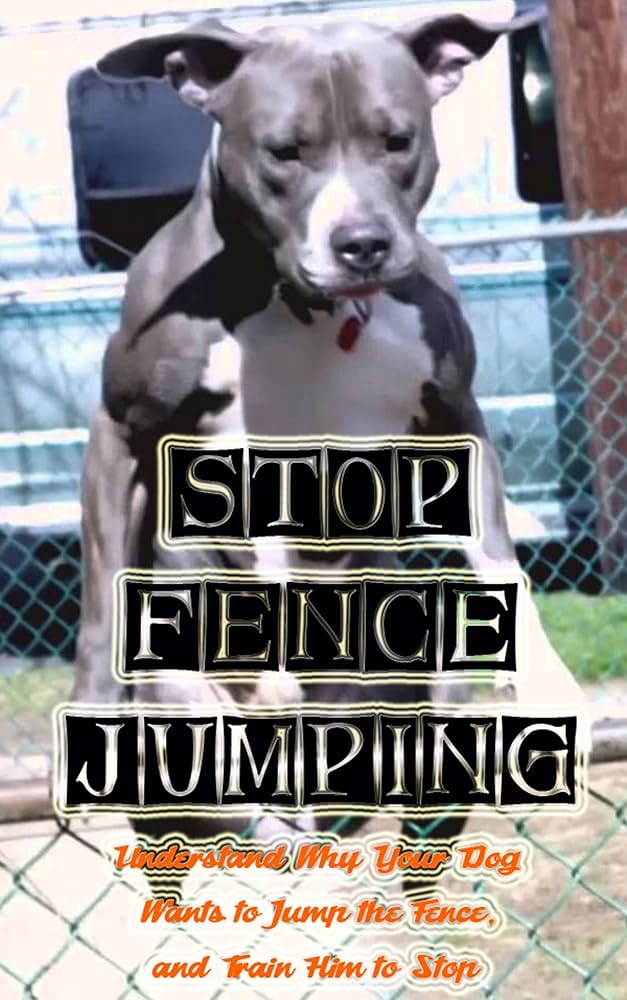
It’s a common and distressing sight for dog owners: your beloved pet, with a running start, leaps over the backyard fence. If this scenario is all too familiar, understanding the root causes and implementing effective solutions is crucial. This post will explore the primary reasons behind a dog jumping fences and provide actionable strategies to keep your canine companion safe and secure within your yard. Learn how to prevent your dog from escaping.
Understanding the Reasons Behind a Dog Jumping Fence
Several factors can contribute to a dog’s urge to clear the backyard barrier. Identifying the specific motivation is the first step toward addressing the behavior.
- Boredom and Lack of Stimulation: Dogs, especially intelligent and energetic breeds, require sufficient mental and physical engagement. A yard that offers little in the way of entertainment can lead to a dog seeking thrills elsewhere, often resulting in fence jumping. This can also manifest as destructive behaviors like digging or rummaging through trash.
- Loneliness and Separation Anxiety: Leaving a dog unattended in the yard for extended periods can foster feelings of loneliness and anxiety. For dogs with separation anxiety, the urge to escape and find their owners can be powerful, especially if they can see or hear their humans on the other side of the fence.
- Mating Drive: For intact dogs, the instinct to find a mate can be a strong motivator for escape. If fence jumping is a recurring issue, consulting with a veterinarian about neutering or spaying your pet may be beneficial.
- High Energy Levels: Some dogs simply have an excess of energy that needs to be expended. Insufficient daily exercise can lead to pent-up energy, making fence jumping an attractive outlet.
- Noise Anxiety: Loud and sudden noises, such as fireworks or thunderstorms, can trigger fear and panic in dogs. This anxiety can cause them to seek escape from the perceived threat.
- Prey Drive: A dog’s natural instinct to chase prey can be a powerful trigger for fence jumping. The sight or sound of a squirrel, rabbit, or even a neighbor’s cat can incite an immediate chase response, leading them to scale the fence.
Effective Strategies to Prevent Fence Jumping
Addressing fence jumping requires a multi-faceted approach that combines behavioral modification, environmental enrichment, and potentially physical deterrents.
Enhancing Your Dog’s Daily Routine
- Sufficient Exercise: Ensure your dog receives adequate daily physical activity. This includes regular walks, playtime, and opportunities to run. A well-exercised dog is generally a calmer and more content dog, less likely to seek adventure outside the yard. Consider enlisting the help of friends, family, or a dog walker if your schedule is limited.
- Mental Stimulation: Combat boredom with engaging mental activities. Puzzle toys, interactive games, and visits to a dog park can keep your dog’s mind sharp and reduce the likelihood of them seeking entertainment elsewhere. You can also create an exciting environment by hiding treats around the yard for them to find or establishing a designated digging pit.
- Obedience Training: Consistent obedience training is invaluable. Even a few minutes of daily practice reinforcing basic commands, especially a strong recall (“Come!”), can be a lifesaver, allowing you to call your dog back to your side if they attempt to escape. This training is essential for overall dog behaviorist trainer interactions.
- Quality Yard Time: Make your backyard a positive and engaging place to be. Spending quality time with your dog in the yard associates the area with positive experiences. Providing sheltered spots can also make the yard a more comfortable retreat.
Modifying Your Fencing
If behavioral strategies alone aren’t enough, consider making physical adjustments to your fence:
- Increase Fence Height: Extending the height of your existing fence, perhaps by adding lattice, can make it more difficult for your dog to jump over.
- Add Protective Layers: Installing bamboo rolls or chicken wire along the top of the fence can provide an additional barrier.
- Install a Redundant Fence: Creating a secondary fence a few feet inside the main fence adds an extra obstacle, requiring your dog to overcome two barriers. This is particularly effective for dogs that rely on a running leap. Consider implementing this in areas where jumping is most frequent.
- Coyote Rollers: These spinning PVC pipes attached to the top of the fence prevent dogs from getting a grip, making it much harder to scale.
- Visual Barriers: If your dog is triggered by visual stimuli through the fence (like squirrels or other dogs), installing slats or privacy screening can block their view and reduce distractions.
- Peek-a-Boo Windows: For solid fences, adding a small window at dog-nose height can satisfy their curiosity about what’s happening outside without encouraging them to jump over.
Humane Alternatives to Containment
- Virtual Fences: Instead of potentially harmful electric fences, consider a virtual fence system like the Tractive GPS Virtual Fence. This allows you to draw a “safe zone” on a map via a smartphone app. If your dog approaches the boundary, you receive an alert, giving you time to intervene before they escape. This humane approach uses technology to ensure safety without resorting to punitive measures, offering a reliable way to monitor your pet’s whereabouts and prevent escapes.
Conclusion
A dog jumping fence is a solvable problem. By understanding the underlying reasons for this behavior and implementing a combination of consistent training, environmental enrichment, and appropriate fencing modifications, you can ensure your dog remains safe and happy within your yard. For those seeking advanced technological solutions for pet safety, exploring options like the Tractive GPS Virtual Fence offers a modern, humane, and effective approach to managing your dog’s boundaries.
