
Cats have a curious nature, and their exploration often extends to your beloved houseplants. Unfortunately, this can lead to damaged greenery and, more critically, potential health risks for your feline companions, as many common houseplants are toxic to cats. Fortunately, there are effective, vet-approved methods to deter your cat from munching on your plants.
1. Make Your Plants Unappealing to Your Cat’s Senses
Cats possess an incredibly sensitive sense of smell, a trait you can leverage to protect your plants. By making your plants less appetizing through scent, you can discourage them from eating, digging, or otherwise interacting with them. Several natural deterrents are highly effective:
- Citrus Peels: Placing lemon or orange peels in the soil of your plants can effectively deter cats due to their dislike of citrus odors. Ensure you use fresh peels and avoid concentrated citrus oils, which can be toxic to cats.
- Cayenne Pepper: A light sprinkle of cayenne pepper around the base of your plants can act as a potent deterrent. A single sniff is often enough to make your cat steer clear.
- Other Deterrent Scents: Experiment with other scents that cats tend to dislike, such as diluted vinegar or rosemary.
2. Select Plants That Cats Naturally Avoid
Certain plants are inherently less appealing to cats. For instance, rosemary not only smells pleasant to humans but also acts as a natural cat repellent. Consider incorporating these types of plants into your home:
- Thorny Plants: Cacti, roses, and other plants with thorns can be a physical deterrent. A small prick to the paw can teach your cat a valuable lesson about respecting boundaries.
- ‘Scaredy Cat’ Plant (Coleus caninus): This plant is specifically bred to repel cats and can be an effective addition to your collection.
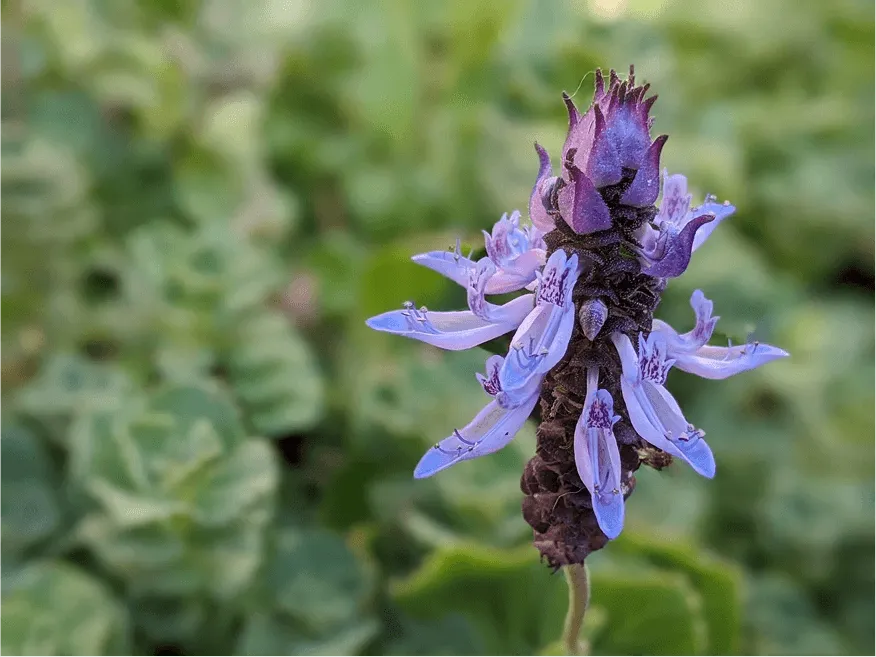 Coleus caninus (Scaredy Cat Plant)
3. Utilize Safe, Cat-Deterrent Sprays
Commercial pet deterrent sprays are readily available and designed to keep pets away from houseplants. These products are typically formulated with non-toxic ingredients. However, it’s always prudent to consult your veterinarian before introducing any new substance to your cat’s environment. Alternatively, you can create your own safe deterrent spray by mixing one part vinegar with three parts water. Spray this mixture directly onto the leaves; it is generally harmless to most plants and unappealing to cats.
If you observe your cat squinting or pawing at their eyes after the application of any spray, it’s important to understand cat eye irritation and squinting.
4. Strategic Plant Placement
The simplest method to keep your cat away from your plants is to place them in areas your cat cannot easily access. Consider these strategic placement options:
- Off-Limits Rooms: Position plants in rooms that are generally off-limits to your cat, such as sunny bedrooms or bathrooms.
- Elevated Locations: If your cat is an adept climber, place plants on high shelves or in hanging baskets.
- Narrow-Based Stands: Utilize plant stands with narrow bases, which can make it more challenging for cats to climb.
If your cat’s habit of eating plants seems to be escalating, it’s crucial to consult your veterinarian. Compulsive eating of non-food items, known as feline pica, can indicate underlying health issues. It may also be a sign of a nutritional deficiency or gastrointestinal problems. A thorough veterinary evaluation is recommended to ensure your cat’s overall health.
Helping Cats Live Healthier Lives
Join Gallant’s mission to transform veterinary medicine. Discover how our clinical trials in stem cell therapy are shaping the future for feline care. Learn More
