
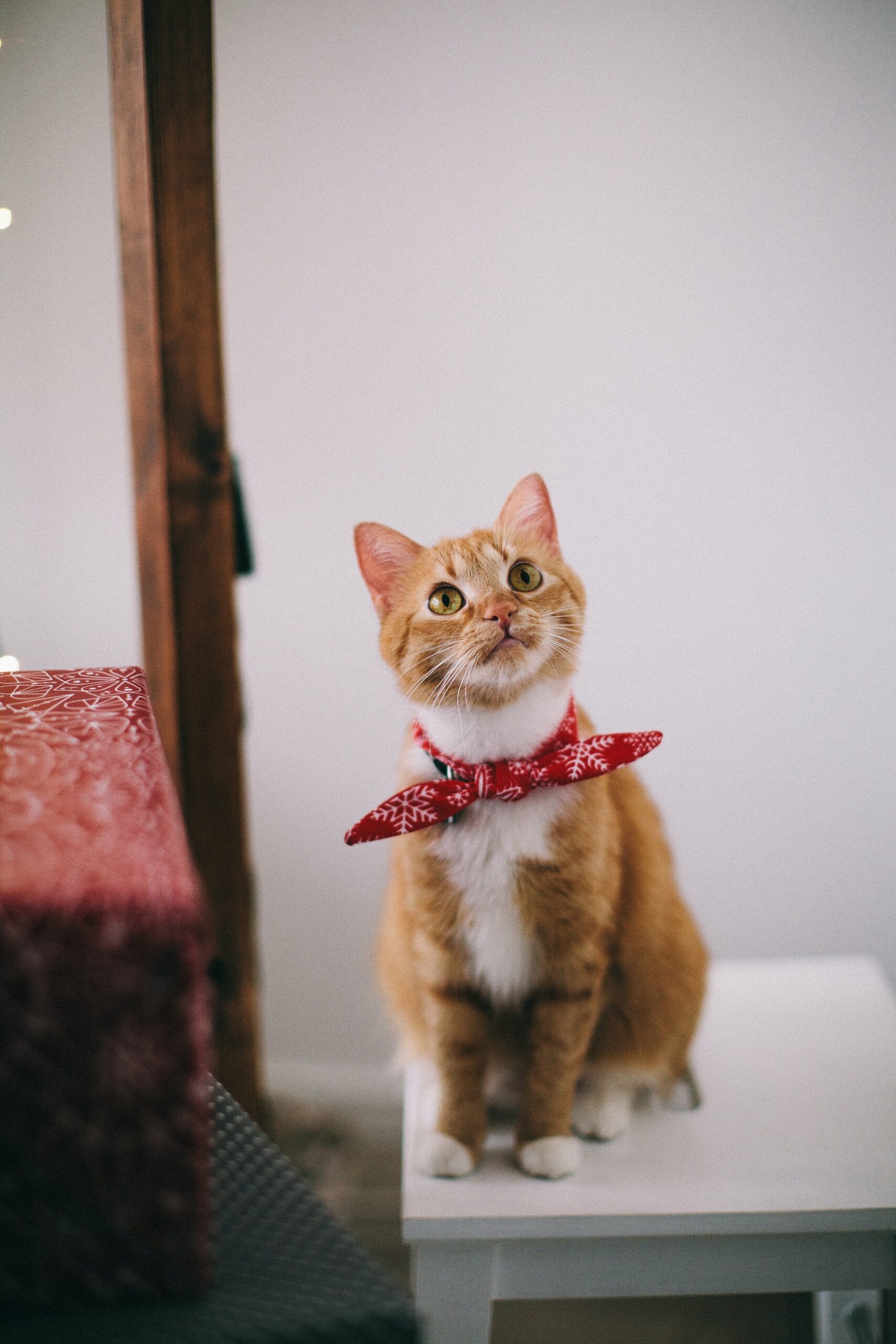
Bringing a new puppy into a home with an existing feline companion can be a joyous experience, but it requires careful planning to ensure a smooth and positive introduction. As a pet parent to both puppies and cats, understanding their personalities, reading their body language, and implementing a step-by-step approach are crucial for fostering a stress-free environment for everyone. This guide will walk you through the essential steps to make those first meetings comfortable and successful.
Finding the Right Match: Puppy Breeds and Personalities
If you’re in the process of selecting a puppy and already have a cat, considering breed characteristics can significantly influence how well they’ll coexist. Different breeds possess unique temperaments, energy levels, and prey drives. Some high-prey drive breeds may naturally view a cat as potential prey, making them a less suitable match for a multi-pet household. It’s also important to consider the size difference between your potential puppy and your cat, along with their individual temperaments, especially if you’re considering a large, energetic breed. However, even with breeds that have a higher prey drive, consistent and early socialization and training can play a vital role in helping your new puppy and cat learn to live peacefully together.
Understanding Canine and Feline Body Language
Before facilitating any direct interaction, it’s essential to learn to interpret your puppy’s and cat’s body language. This will help you gauge their comfort levels and identify signs of apprehension or stress.
Puppy Body Language
A relaxed puppy will exhibit a soft gaze, steady breathing, relaxed muscles, and a loose tail. When a puppy is initially interested in a cat, they might show excitement with a wagging tail, a desire to get closer, and vocalizations like whining or barking out of eagerness. However, watch for signs of stress such as lip licking, yawning, raised hackles, bared teeth, or growling. These are indicators that you need to intervene immediately to prevent escalation. A nervous puppy might also shy away from the cat, in which case they should never be forced into interaction. For a more in-depth understanding of puppy cues, you can refer to resources on Know Your Puppy’s Body Language!.
Cat Body Language
A comfortable cat will display a relaxed posture with ears forward, a tail held high and possibly curved at the tip, relaxed whiskers, and fluid body movements. These signals indicate that your cat is feeling at ease in the puppy’s presence. Conversely, if your cat shows signs of stress like lip licking, flattened ears, a hunched posture, a low-hanging tail, or hissing, it’s a clear sign that you need to create space between them and the puppy.
A Step-by-Step Introduction Process
The introduction process should be gradual and controlled, allowing both animals to adjust at their own pace.
Stage 1: Scent Swapping and Visual Separation
Begin by allowing your puppy and cat to get used to each other’s scent without direct visual contact. Swap bedding or toys between them to familiarize them with each other’s smell. Once they seem comfortable with scent swapping, you can allow them to see each other through a baby gate or a screen door. This controlled visual introduction allows them to observe each other from a safe distance, helping to reduce initial anxiety. This controlled visual introduction can help them observe each other from a safe distance.
Stage 2: Supervised, Brief Interactions
When both your puppy and cat appear calm during visual introductions, you can proceed to supervised, brief face-to-face meetings. Keep these initial interactions short, perhaps only a few minutes, and ensure they occur in a neutral space if possible. Always have high-value treats on hand to reward calm behavior from both animals. If either the puppy or cat shows signs of stress, calmly end the session and return to scent swapping or visual separation. Patience is key during this phase, and it’s important not to rush the process. A common issue new cat owners face is teaching their kitten the appropriate place to relieve themselves, and understanding how to get my cat to use litter box can be a helpful resource during this adjustment period.
Stage 3: Gradual Increase in Together Time
As your puppy and cat become more comfortable with supervised interactions, you can gradually increase the duration of their time together. Continue to reward calm behavior and always be prepared to intervene if tensions rise. It’s beneficial to provide both your puppy and cat with their own safe spaces where they can retreat and feel secure. For instance, ensure your cat has high perches or rooms they can access that are off-limits to the puppy. Similarly, your puppy should have a comfortable den or crate where they can rest undisturbed.
Essential Training and Management Tips
Consistent training and mindful management are paramount throughout the introduction process and beyond.
Socialization is Key
Proper socialization is vital for puppies. Exposing your puppy to a variety of sights, sounds, people, and other animals (in a controlled and positive manner) from a young age helps them develop into well-adjusted adults. This includes positive interactions with your resident cat. Early socialization can prevent fear-based aggression and improve their overall temperament. Remember, consistent training is crucial; for example, learning how to train your cat to be an adventure cat might seem unrelated, but it speaks to the broader theme of understanding and managing pet behavior.
Establish Clear Boundaries
Ensure your puppy understands basic commands like “leave it” and “stay.” These commands are invaluable for managing interactions with your cat and preventing unwanted behaviors, such as chasing or pestering. Likewise, if you find your cat is exhibiting unwanted behaviors, like trying to sneak food, resources on stop cat from eating my food can offer guidance.
Provide Enrichment
Both your puppy and cat need adequate mental and physical stimulation. Puzzle toys, interactive games, and regular exercise sessions can help satisfy their needs and reduce the likelihood of them developing destructive behaviors or becoming stressed. For your cat, having vertical spaces and scratching posts is essential for their well-being.
Troubleshooting Common Issues
Occasionally, you might encounter specific challenges during the introduction phase.
If Your Kitten Won’t Go in the Litter Box
Sometimes, a kitten may resist using the litter box, which can add stress to an already sensitive adjustment period. If you’re facing issues with kitten won t go in litter box, ensure the litter box is clean, appropriately sized, and in a quiet, accessible location. Sometimes, reintroducing the basics of how to train cats litter box can resolve these issues.
Managing Prey Drive
If your puppy has a strong prey drive, extra vigilance and training are necessary. Always supervise interactions and use leashes indoors if needed. Never leave them unsupervised until you are completely confident in their ability to coexist calmly.
Conclusion: Building a Harmonious Home
Introducing a puppy to a cat requires patience, understanding, and a commitment to positive reinforcement. By carefully managing introductions, understanding their unique communication styles, and providing consistent training and enrichment, you can foster a loving and harmonious relationship between your furry family members. Remember that every animal is an individual, and the pace of adjustment will vary. Celebrate small successes, remain patient, and enjoy watching your puppy and cat develop their unique bond.
