
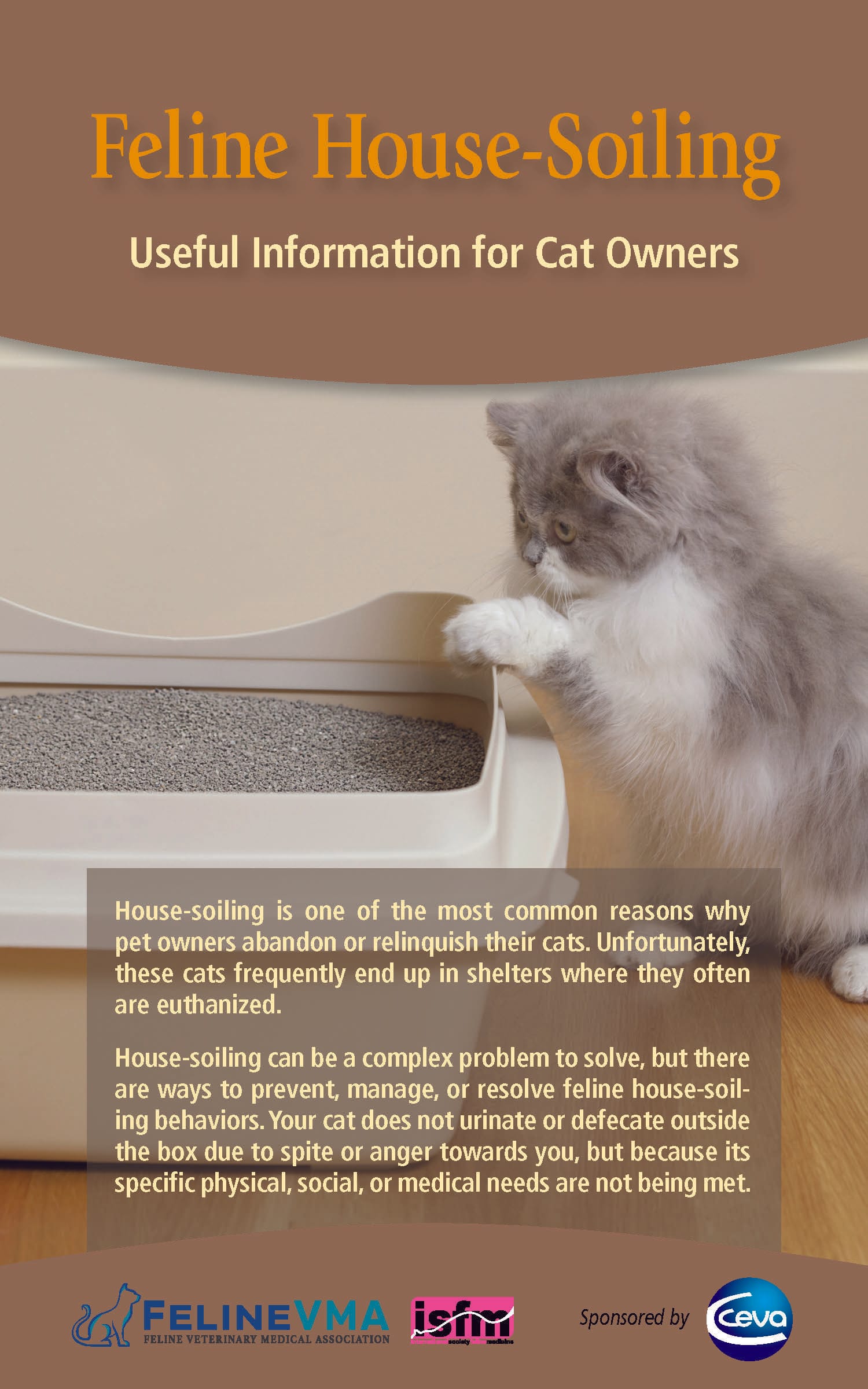
It can be a distressing situation when your feline friend starts to bypass their litter box. If your cat is consistently pooping or urinating outside of their designated area, it often signals an underlying issue that needs your attention. While occasional accidents can happen, especially with new stressors or changes in the environment, a sudden change in litter box habits typically points to a problem that requires a bit of detective work to resolve.
Understanding the root cause is crucial for addressing litter box aversion. This guide will delve into the common reasons why cats stop using their litter boxes and provide practical solutions to help you get your beloved pet back on track.
Addressing Accidents and Reinforcing Good Habits
If you witness your cat in the act of eliminating outside the litter box, remain calm. Gently pick them up and place them inside the box. Avoid any form of punishment, such as yelling or scruffing, as this can create a negative association with the litter box, leading to further avoidance. Positive reinforcement is far more effective than negative consequences when teaching or correcting your cat’s behavior.
After an accident, clean the soiled area thoroughly with an enzyme-based cleaner. This is essential to neutralize odors completely, as cats are drawn to scent markers. A black-light flashlight can help you locate any missed urine spots. Consider placing a food or water bowl over the area, as cats generally avoid soiling their eating spaces. Alternatively, citrus-scented items can deter them from returning to the spot. If the problem persists, moving the litter box to your cat’s preferred elimination spot can be a temporary but effective solution.
Litter Box Placement: A Crucial Factor
The location of the litter box plays a significant role in your cat’s willingness to use it. Cats value privacy when they relieve themselves, so choose a quiet, low-traffic area away from their food and water bowls. Ensure the litter box is always accessible to your cat. For kittens or older cats, consider placing a litter box on each floor of your home to minimize travel distance. If you have multiple cats, the general rule is to provide one litter box per cat, plus an additional one, to prevent territorial disputes.
Consistency in litter box location is also important. Frequently moving the litter box can confuse your cat and lead to accidents elsewhere. Once you’ve chosen a suitable spot, stick with it. To introduce your cat to the box, gently place them inside and observe their behavior. If they show signs of needing to eliminate, guide them back to the box. Cats have a natural instinct to dig and cover their waste, and the litter material stimulates this reflex.
The Importance of a Clean Litter Box
A clean litter box is paramount to your cat’s comfort and willingness to use it. Just as humans prefer a clean restroom, your cat will avoid a dirty litter box. Daily scooping of waste is essential for maintaining hygiene and controlling odor. Make this a routine part of your daily schedule.
Beyond daily scooping, a weekly thorough cleaning is necessary. Empty the litter box completely, wash it with hot water and mild, fragrance-free soap, and avoid strong-smelling cleaners or bleach, which can be off-putting to cats and potentially toxic. After cleaning, refill the box with three to four inches of fresh litter. Simply topping up the litter is not a substitute for regular deep cleaning.
Exploring Other Reasons for Litter Box Aversion
If your cat is still reluctant to use the litter box, several other factors might be at play:
- Perceived Dirtiness: Your cat might deem the box unclean. Increase the frequency of scooping or perform a full cleaning.
- Litter Scent: Some cats are sensitive to the smell of the litter. Trying an unscented variety might resolve the issue.
- Litter Texture: Cats can be particular about the feel of the litter. Experiment with different types (clumping, non-clumping, crystal, pine, pellets) to find your cat’s preference.
- Cleaning Product Residue: Lingering scents from cleaning agents can deter cats. Stick to mild, fragrance-free options.
- Litter Box Design: A covered litter box, intended to hide the box or control odor, can make some cats feel trapped or exposed. Removing the lid or switching to a covered box might help, depending on your cat’s preference.
- Box Size: As your cat grows, their litter box may become too small. Ensure the box is large enough for them to turn around comfortably without their body parts hanging over the sides.
- Amount of Litter: Most cats prefer about three inches of litter – enough to cover their waste but not so much that it’s difficult to navigate.
Litter Box Issues as a Sign of Illness
It’s crucial to remember that changes in litter box habits can also indicate a health problem. Frequent urination, especially outside the box, could signal a urinary tract infection or feline interstitial cystitis (bladder inflammation). If you notice these symptoms, a visit to the veterinarian is essential.
To promote urinary tract health, ensure your cat always has access to fresh water and consider incorporating wet food into their diet once a day, as dry kibble doesn’t provide adequate moisture.
The good news is that most litter box issues are temporary and resolvable once the underlying cause is identified and addressed. By understanding your cat’s needs and making the appropriate adjustments, whether it’s changing the litter, the box, its location, or seeking veterinary care, you can help your feline companion return to using their litter box consistently. When your cat tells you something is wrong by going outside the box, addressing that issue will bring you back to a harmonious routine of pets, purrs, and playtime.
