
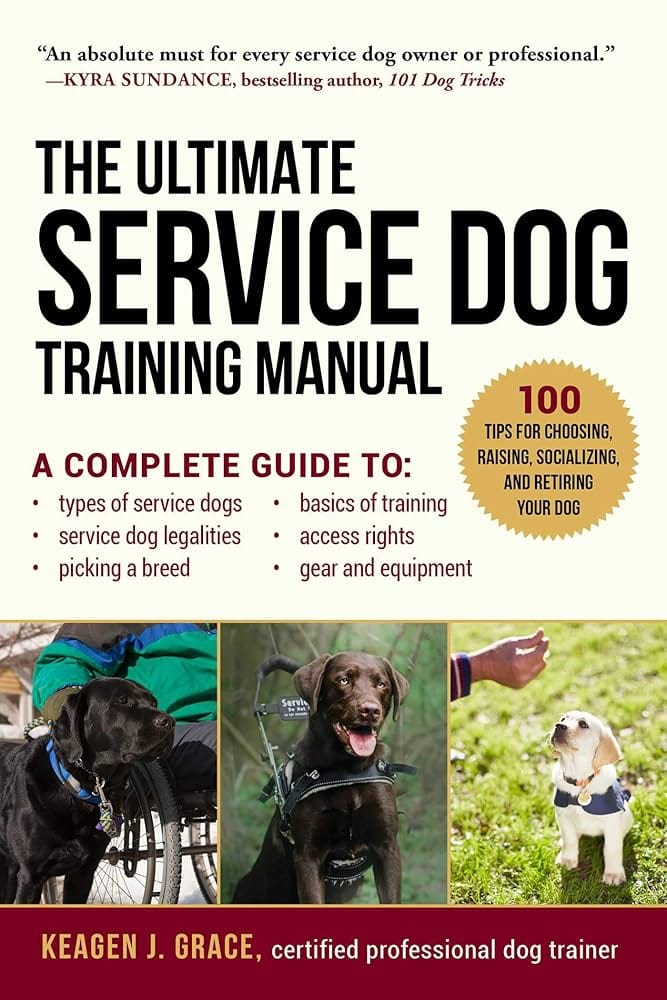
Embarking on the journey to train a therapy dog is a rewarding experience that brings joy and support to many. Therapy dogs, distinct from service dogs, provide comfort and affection to individuals in various settings, such as hospitals, nursing homes, schools, and disaster areas. This guide will walk you through the essential steps and considerations to get your canine companion certified as a therapy dog. Understanding the commitment involved and the specific requirements is crucial for success.
Understanding Therapy Dogs: Role and Requirements
Therapy dogs offer emotional support and a calming presence to people experiencing stress, anxiety, or illness. Unlike service dogs, which are trained to perform specific tasks for individuals with disabilities, therapy dogs offer general comfort through their presence and gentle interaction. This means their training focuses on temperament, obedience, and socialization. The “Dog Care Story” emphasizes that a therapy dog’s primary role is to provide unconditional love and a sense of well-being.
The key traits of a successful therapy dog include a calm demeanor, confidence in various environments, and a friendly, gentle disposition towards strangers of all ages. They must be comfortable with loud noises, sudden movements, and medical equipment. Furthermore, a strong bond and clear communication between the handler and the dog are paramount.
Temperament and Breed Considerations
While many breeds can become therapy dogs, temperament is the most critical factor. A dog that is naturally sociable, eager to please, and not easily startled is ideal. Breeds known for their stable temperaments and trainability, such as Golden Retrievers, Labrador Retrievers, and Poodles, often excel in this role. However, mixed breeds with the right disposition can also be wonderful therapy dogs. It’s less about the breed and more about the individual dog’s personality and training.
Age and Health Requirements
Most therapy dog organizations require dogs to be at least one year old before they can be certified. This ensures they have reached a level of maturity and stability. Additionally, therapy dogs must be in excellent health, up-to-date on all vaccinations, and free from any contagious conditions. Regular veterinary check-ups are essential to maintain their health and ensure they are fit for public interactions.
The Training Process: Building a Foundation
Training a therapy dog is a multi-faceted process that requires patience, consistency, and positive reinforcement. It starts with basic obedience and progresses to more advanced socialization and specific scenarios encountered during therapy work.
Basic Obedience and Socialization
The foundation of therapy dog training lies in mastering basic obedience commands: sit, stay, come, down, and leave it. These commands must be reliable in distracting environments. Equally important is socialization. Exposing your dog to a wide variety of people, places, sounds, and sights from a young age helps them develop into well-adjusted, confident companions. This includes interactions with children, the elderly, people with disabilities, and exposure to crowds, loud noises, and unfamiliar objects.
Advanced Training and Public Access Skills
Once basic obedience is solid, you can move to more advanced training. This involves teaching your dog to walk calmly on a loose leash, ignore distractions, and remain composed around unfamiliar people and animals. They need to be comfortable with being petted by strangers, sometimes in unusual ways, and should not show aggression or fear.
Practicing in public places like parks, pet stores, and busy streets helps generalize their training. This is where concepts like canine clarity dog training principles become invaluable, focusing on clear communication and positive reinforcement to build trust and understanding.
Specialized Therapy Dog Training Programs
Many organizations offer specific therapy dog training programs that prepare dogs and handlers for certification. These programs often cover advanced obedience, specific behavioral skills for therapy work, and handling mock scenarios. They provide a structured approach to training and ensure that both dog and handler are well-prepared. For those seeking a structured path, resources like sit me sit dog training can offer valuable guidance.
Choosing a Therapy Dog Organization and Certification
Once your dog has undergone sufficient training, the next step is to choose a reputable therapy dog organization and pursue certification. Different organizations have varying requirements and testing procedures, so it’s wise to research them thoroughly.
Reputable Organizations
Several national and international organizations certify therapy dogs. Some popular ones include Therapy Dogs International (TDI), Pet Partners, and Alliance of Therapy Dogs. Each organization has its own application process, testing criteria, and membership fees. It’s important to find an organization that aligns with your values and training approach.
The Certification Test
The certification test typically evaluates the dog’s obedience, temperament, and ability to handle various stimuli. Common elements include:
- Greeting: The dog must remain friendly and calm when a stranger approaches and greets them.
- Reaction to Distractions: The dog must not react fearfully or aggressively to loud noises, dropped objects, or wobbly walkers.
- Leash Manners: The dog must walk politely on a leash, even in crowded areas.
- Stay: A reliable sit-stay or down-stay is usually required.
- Leave It: The dog must ignore tempting distractions like dropped food.
- Handler Comfort: The dog should remain calm and relaxed while the handler interacts with them.
Some organizations may also require the handler to pass a written test or demonstrate knowledge of therapy dog etiquette.
The Role of the Handler
Being a therapy dog handler is as important as the dog’s training. Handlers must be empathetic, observant, and committed to their dog’s well-being. They need to be able to read their dog’s body language, advocate for their needs, and ensure interactions are positive for both the dog and the recipient of the therapy.
Handler Responsibilities
- Supervision: Always supervise your dog during therapy visits.
- Advocacy: Protect your dog from overwhelming situations or unwanted interactions.
- Hygiene: Maintain good hygiene practices to prevent the spread of germs.
- Professionalism: Represent your organization and the therapy dog community with respect.
For those interested in specific training aspects, resources on how to get dog trained as a therapy dog can provide further insights into the handler’s role.
Therapy Dog Work in Action
The impact of therapy dogs is profound. They can lower blood pressure, reduce anxiety, and bring smiles to faces. Whether it’s a gentle nuzzle to a patient in a hospital bed or a playful romp with children, therapy dogs create moments of connection and healing.
Settings and Opportunities
Therapy dogs can visit a wide array of locations. Hospitals, rehabilitation centers, assisted living facilities, schools, libraries, and even airports are common venues. Some handlers also participate in disaster response efforts, providing comfort to those affected by emergencies. The opportunities to make a difference are vast.
Maintaining Your Therapy Dog’s Skills
Regular practice and ongoing training are crucial to maintain a therapy dog’s proficiency. Continuing to expose them to various environments and reinforcing obedience commands will ensure they remain confident and effective in their role. Consider local resources if you are in an area like german shepherd dog training las vegas or seeking dog walker training near me to find relevant training opportunities.
Conclusion: The Heart of a Therapy Dog
Becoming a certified therapy dog team is a journey of dedication, love, and partnership. The “Dog Care Story” believes that every dog has the potential to bring comfort and happiness, and with the right training and a compassionate handler, they can become invaluable therapy animals. The bond formed through this shared experience enriches the lives of the dogs, their handlers, and everyone they touch.
Frequently Asked Questions (FAQ)
Q1: What is the main difference between a therapy dog and a service dog?
A therapy dog provides comfort and emotional support in various settings, while a service dog is trained to perform specific tasks for a person with a disability.
Q2: How old does my dog need to be to become a therapy dog?
Most organizations require dogs to be at least one year old to ensure they have reached sufficient maturity.
Q3: Can any breed of dog become a therapy dog?
While some breeds are naturally suited, any dog with a calm, friendly, and stable temperament can potentially become a therapy dog with proper training and socialization.
Q4: What are the most important traits for a therapy dog?
Key traits include a gentle disposition, confidence in various environments, ability to remain calm under stress, and friendliness towards strangers.
Q5: How often do therapy dogs need to be re-certified?
Certification requirements vary by organization, but most require re-evaluation every one to two years to ensure continued suitability.
Q6: Is handler training necessary for therapy dog certification?
Yes, most organizations require handlers to pass a test or complete training that covers obedience, etiquette, and advocating for their dog.
Q7: What kind of environments can a therapy dog visit?
Therapy dogs can visit hospitals, nursing homes, schools, libraries, disaster sites, and many other places where their presence can offer comfort and support.
