
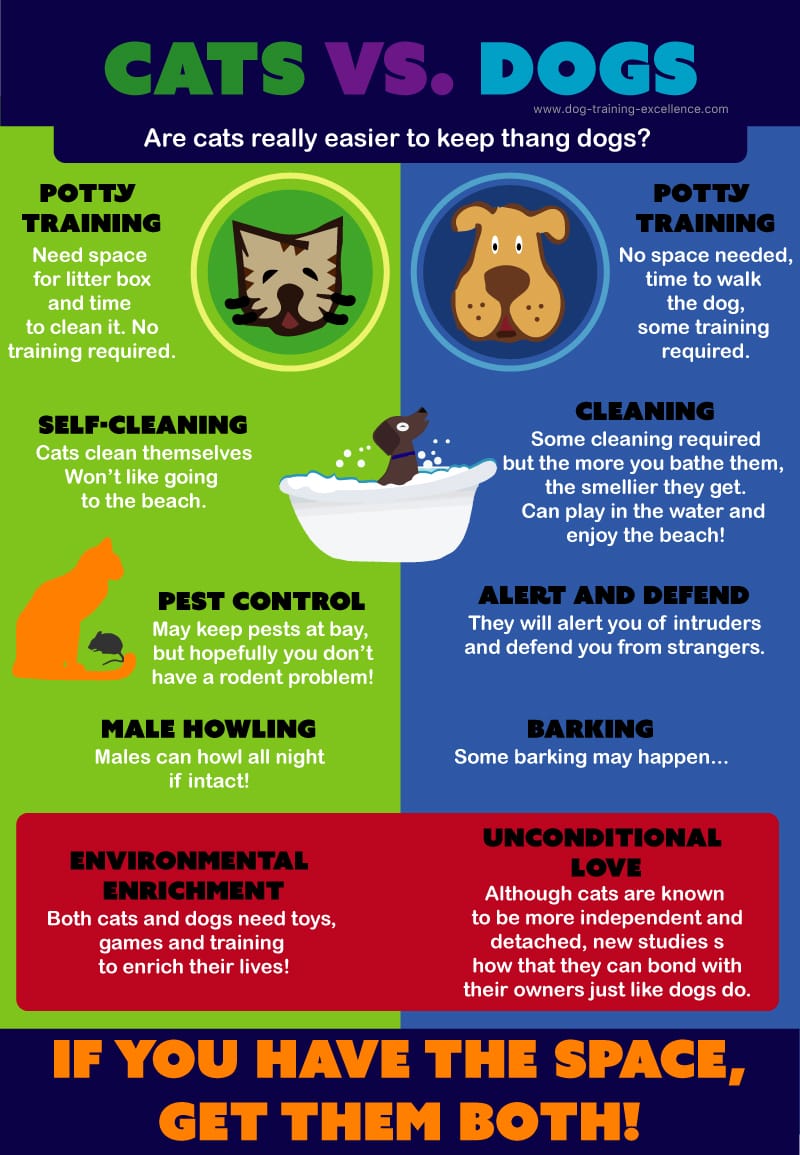
It can be incredibly stressful for both pets and owners when a dog becomes fixated on a cat, escalating from growling and barking to lunging and chasing. Fortunately, with patience and positive reinforcement, you can train your dog to coexist peacefully with felines. This guide outlines effective strategies to curb chasing behavior and foster a harmonious multi-pet household.
Match Personalities for Harmony
When bringing a new pet into your home, consider personality compatibility from the outset. Dogs with a high prey drive may inherently struggle with living alongside cats, and forcing such a pairing can lead to constant stress. Similarly, a cat that is consistently skittish or aggressive towards dogs might not be suited for a household with canine companions. An energetic, playful cat often pairs best with a similarly playful dog, provided neither views the other as prey or competition. For a more relaxed feline, an easy-going, older dog might be a better match. Avoid trying to force incompatible personalities together; understanding and respecting their individual temperaments is key to a peaceful environment.
Master Basic Commands
Strengthening your dog’s understanding of basic commands like “stay,” “sit,” “come,” and “leave it” is fundamental to redirecting prey behavior. Practice these commands in increasingly distracting environments, eventually testing obedience when the cat is present. Initially, ensure your dog is on a leash during these training sessions. If your dog exhibits a particularly strong prey drive, consider enlisting the help of a professional dog trainer or behaviorist who can provide specialized intervention.
Redirecting the Chase Instinct
Early intervention is crucial when addressing aggressive or chasing behavior. If you catch your dog lunging or attempting to chase your cat, a firm “no” followed by a brief period of separation can be effective. The moment you notice your dog fixating on the cat, immediately redirect their attention with a command like “come” or “leave it.” When your dog obeys, reward them with praise and treats. Consistently reinforce calm behavior around the cat from the very beginning. As training progresses, gradually increase their leash freedom, always ensuring your cat has an accessible escape route. Elevated spaces such as cat trees, cat condos, tall furniture, and cat shelves provide essential safe havens. Some trainers advocate for a method where the dog receives small treats whenever they are around the cat, kept on a leash for safety. This strategy helps build positive associations with the cat’s presence, diminishing the urge to chase.
Keep Pets Entertained and Engaged
An excess of pent-up energy in dogs often translates to chasing behavior. Regular walks, games of fetch, training sessions, and agility courses are vital for expending your dog’s energy constructively. Engaging their mind and body reduces the likelihood of them focusing that energy on your cat. The same principle applies to cats; an over-energetic cat might pounce on a dog, inadvertently triggering their prey drive. Consistent playtime with your cat, incorporating clicker training or interactive toys, can significantly improve their focus and reduce unwanted behaviors. Providing your cat with a designated safe space, free from canine intrusion, is also important. Utilizing a product like the Comfort Zone Calming Diffuser, which mimics natural cat pheromones, can help create a more relaxed atmosphere for your feline companion, reducing stress and anxiety.
Reintroduction: A Fresh Start
In some situations, a complete reintroduction of your cat and dog may be necessary. Begin by keeping them in separate areas, allowing them to acclimate to each other’s scent and sounds from a distance. Progress to feeding them on opposite sides of a closed door until they can eat calmly without agitation. Next, use a baby gate or screen door, continuing the feeding routine. Observe if your dog remains fixated on the cat or if they can be easily distracted with commands or treats. This gradual exposure should continue until both pets exhibit calmness when in proximity. Subsequently, begin supervised visits in the same room, with the dog on a leash. This entire reintroduction process can span several weeks or longer. For dogs with a strong prey drive, it may be necessary to maintain supervision indefinitely to ensure safety. Successfully training a dog not to chase cats is a testament to your dedication, and it prioritizes the well-being of both animals. While some dogs may form bonds with specific cats, their predatory instincts might be triggered by others. Ultimately, while not all pet personalities are destined to mesh perfectly, patient training and a structured reintroduction process can foster friendship and peaceful coexistence between your dog and cat.
References
- American Humane. “Introducing Dogs to Cats.” AmericanHumane.org, 25 August 2019.
- Silvani, Pia. “My Dog Chases My Cat. How Do I Stop Him?” Petfinder.
- Shojai, Amy. “How to Train Your Puppy to Stop Chasing Cats.” The Spruce Pets, 10 July 2019.
- Paretts, Susan. “How Do I Stop a Dog from Attacking a Cat?” The Nest.
