
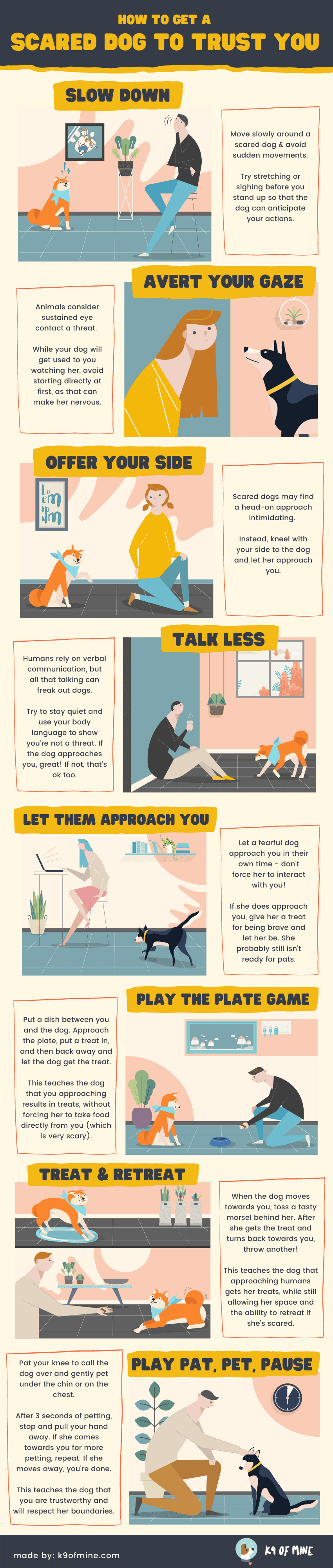
When a dog gets lost, their personality significantly influences how they behave and how they might be found. If you encounter a dog that appears lost and frightened, understanding their behavior is key to approaching them safely and effectively, preventing them from running away further. This guide, drawing from expert advice, focuses on recognizing skittish behavior, the best methods for approach and capture, and ideal locations to search.
A lost, scared, or shy dog may exhibit specific body language, such as averting their gaze, flattening their ears, tucking their tail, cowering, or displaying nervous and unsure movements. If you spot such a dog, taking a picture, even from a distance, can be helpful. You can then report the found dog to databases like Petco Love Lost, which connects lost pets with a vast national network. Additionally, contacting your local animal shelter or animal control with an accurate location, direction of travel, and description can significantly aid responders.
Best Ways to Approach and Entice a Scared Dog
Approaching a scared dog requires patience and a non-threatening demeanor. Avoid startling the dog with sudden movements or loud noises. Instead, entice them to come to you by remaining calm and using submissive body language. Refrain from direct eye contact, which can be perceived as a challenge. A technique recommended by pet detective Kat Albrecht involves using a crinkly food bag, like a chip packet, along with a tempting treat. This sound and scent combination may lure the dog closer or encourage them to enter your vehicle.
Where to Find a Lost, Scared Dog
Lost dogs, especially those that are scared or shy, are often found near potential sources of food and water, typically on the edges of communities. They may seek refuge slightly off the beaten path, potentially with sore feet from running. Common hiding spots include:
- Areas behind houses bordering wooded areas or parks
- Tall grass or marshy environments
- Cemeteries and golf courses
- Campgrounds and picnic areas
- Sporting fields and industrial parks
- Abandoned factories, quiet cul-de-sacs
- Decks, old vehicles, or machinery, especially with overgrown vegetation
- Junkyards, untidy yards, and farmyards
- Abandoned barns and sheds
- Wooded areas behind establishments that sell or serve food, such as restaurants and convenience stores.
How to Safely Catch a Dog That Ran Away
When assisting in the search for a lost dog, personal safety must be the paramount concern. Remember that every dog is an individual, and your experience with your own pet may not translate to handling an unknown dog. Educate yourself on the warning signs of fear and aggression in dogs to ensure your safety. Never push an animal beyond its comfort zone; it’s always acceptable to step back and seek professional assistance.
When searching for a lost and scared dog, it’s advisable to avoid large groups. While people want to help, their efforts might be better directed towards distributing flyers rather than actively searching in a way that could pressure the dog out of its safe space or into traffic.
Setting Up a Humane Trap
Humane traps can be an effective method for capturing a skittish or scared lost dog. However, it is crucial to understand the proper procedures before setting one up. This includes selecting the right location, setting the trap correctly, and using appropriate bait. Most importantly, the trap must be monitored adequately.
Ensure the trap is large enough for the dog’s entire body to fit inside before it triggers. An improperly set trap that injures the dog or allows escape will make future capture more difficult. Failure to follow these critical steps can diminish the chances of a successful capture and, in worst-case scenarios, result in serious injury to the pet. If you are unsure about the process, seek on-site assistance from an experienced animal rescuer.
