
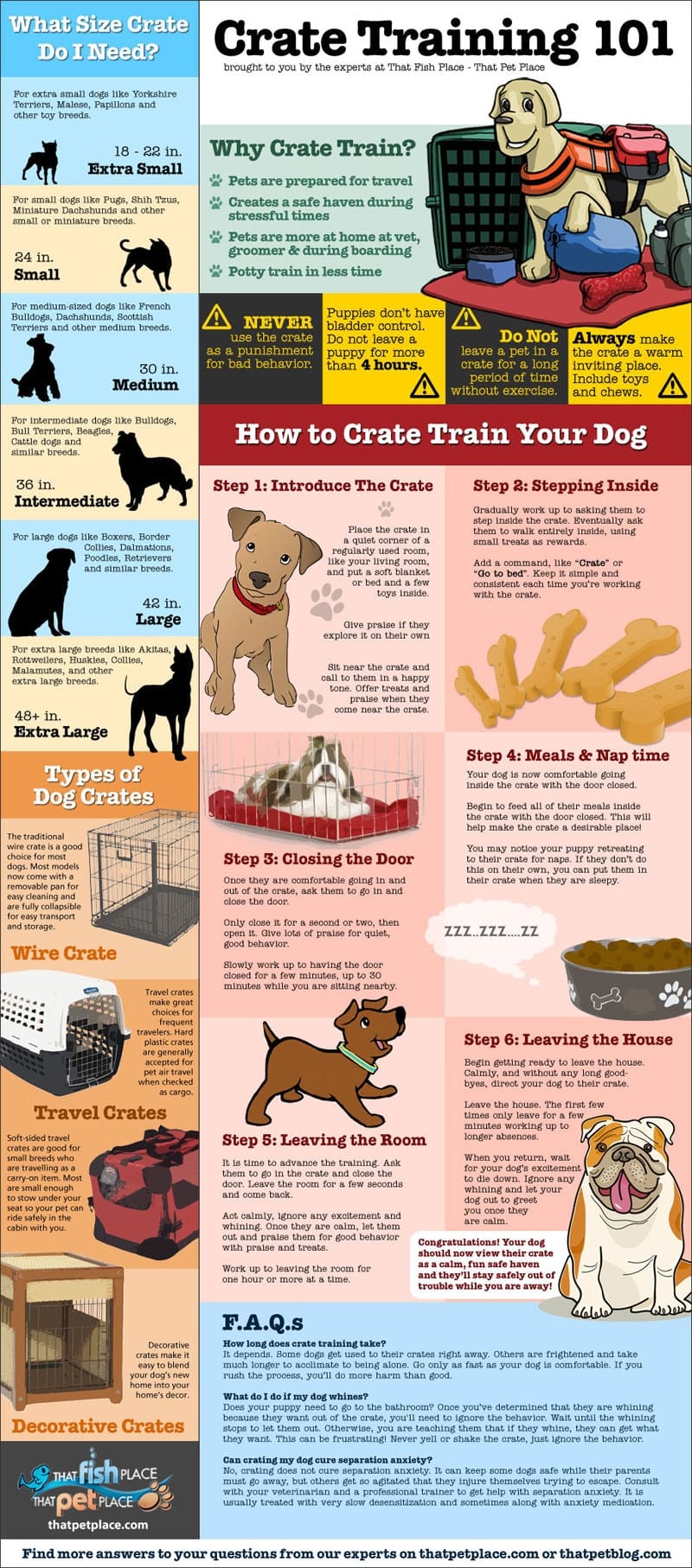
Crate training is one of the most effective and valuable tools in a dog owner’s arsenal, yet it’s often misunderstood. The idea of putting a beloved pet in a “cage” can feel counterintuitive, but when done correctly, learning How To Crate Train Your Dog is an act of love. It’s not about confinement; it’s about providing your dog with a personal den, a safe space that belongs entirely to them. This private sanctuary can be a lifesaver for potty training, preventing destructive behavior, and ensuring their safety when you can’t supervise them directly. More importantly, it taps into a dog’s natural instinct to seek out a secure, enclosed space, making it a source of comfort and security rather than punishment. By reframing the crate as a cozy bedroom instead of a jail cell, you can transform it into a positive and essential part of your dog’s life and your home’s harmony.
This guide will walk you through the entire process, from selecting the right crate to navigating common challenges. Whether you have a new puppy or an adult dog, these principles will help you create a positive association with the crate, fostering a sense of independence and confidence in your furry companion. Understanding the nuances of this process is key, and it shares principles with other training methods, such as learning the essentials for a crate for dog training in the first place.
Why Crate Training is a Game-Changer for You and Your Dog
Before diving into the “how,” it’s essential to understand the “why.” The benefits of successful crate training extend far beyond simple containment. It’s a foundational skill that impacts various aspects of a dog’s life, contributing to their overall well-being and strengthening the bond you share.
A Safe and Secure Den
Dogs are den animals by nature. In the wild, their ancestors sought out small, enclosed spaces to rest, raise their young, and hide from predators. A crate mimics this environment, providing a sense of security and calm. When overwhelmed or tired, your dog will learn to retreat to their crate voluntarily, just as you might retreat to your bedroom after a long day. This personal space is crucial for their mental health, giving them a place to decompress.
An Invaluable Management Tool
Life is unpredictable. There will be times when you cannot supervise your dog, such as when you have guests, repair work being done, or during family meals. A crate keeps your dog safely out of harm’s way, preventing them from chewing on dangerous items, ingesting something toxic, or escaping through an open door. It also makes travel significantly safer and less stressful, whether you’re heading to the vet or on a cross-country road trip.
The Secret to Successful House Training
A dog’s natural instinct is to keep its den clean. This is the principle that makes the crate a powerful ally in house training. A dog will be highly motivated to avoid soiling their personal space, which teaches them to “hold it” for more extended periods. By using a crate in conjunction with a consistent schedule, you can significantly speed up the potty training dog crate process and minimize accidents in the house.
Preventing Destructive Behavior
Puppies and even adult dogs explore the world with their mouths. This can lead to chewed-up shoes, furniture, and other valuable items. Crate training provides a safe and constructive way to prevent this behavior when you’re not around to redirect them. It keeps both your dog and your belongings safe, eliminating a major source of frustration for many pet owners.
Choosing the Perfect Crate: Size and Style Matter
The first step in your training journey is selecting the right crate. The options can be overwhelming—plastic, wire, fabric, and even furniture-style crates. While aesthetics are a factor, the two most critical considerations are size and safety.
Getting the Size Just Right
The golden rule of crate sizing is that it should be large enough for your dog to stand up, turn around, and lie down comfortably in a natural position. However, it should not be so large that they can designate one end as a sleeping area and the other as a bathroom. This defeats the purpose of using the crate for house training.
If you have a puppy, it’s wise to purchase a crate that will fit them when they are fully grown. Many wire crates come with a divider panel that allows you to adjust the amount of usable space as your puppy grows. This is a cost-effective solution that prevents you from having to buy multiple crates.
Types of Crates
- Wire Crates: These are the most popular choice due to their excellent ventilation, portability (most are collapsible), and easy cleaning. The open design allows the dog to see their surroundings, which can be comforting for some.
- Plastic Crates: Often used for air travel, plastic crates offer a more enclosed, den-like feel, which some dogs prefer. They are generally sturdy and provide more privacy.
- Soft-Sided/Fabric Crates: These are lightweight and highly portable, making them ideal for travel or temporary use. However, they are not recommended for dogs who are prone to chewing or scratching, as they can be easily damaged.
- Furniture-Style Crates: These are designed to blend in with your home decor, often doubling as end tables or consoles. While they are aesthetically pleasing, they can be expensive and are not easily portable.
The Step-by-Step Guide to Crate Training Success
Patience and positive reinforcement are the cornerstones of successful crate training. The goal is to make the crate the best place in the house. Never use the crate as a form of punishment. This will create a negative association and undermine all your hard work.
Step 1: Introducing the Crate
Place the new crate in a central part of your home, like the living room or kitchen, where the family spends a lot of time. You want your dog to feel like they are part of the family, not isolated.
- Open the Door: Secure the crate door so it can’t accidentally swing shut and frighten your dog.
- Let Them Explore: Allow your dog to investigate the crate at their own pace. Don’t force them inside.
- Make it Inviting: Toss some high-value treats near the crate, then just inside the door, and finally all the way at the back. Use an encouraging and happy tone of voice.
- Add Comfort: Place a comfortable bed or soft blanket inside to make it more appealing.
Step 2: Building Positive Associations with Feeding
Feeding your dog their meals inside the crate is a fantastic way to build a strong positive association.
- Meals Near the Crate: Start by placing their food bowl right next to the crate.
- Meals Just Inside: Once they are comfortable, move the bowl just inside the door.
- Meals at the Back: Gradually push the food bowl further back into the crate with each meal.
- Closing the Door (Briefly): Once your dog is happily eating at the back of the crate, you can start closing the door just while they eat. Open it as soon as they finish. Gradually increase the time the door stays closed by a few minutes after each meal. If your puppy struggles, you may need to focus on how to get puppy to like crate specifically.
Step 3: Conditioning for Longer Periods
Now it’s time to teach your dog to stay in the crate for short periods while you are home.
- Introduce a Command: Choose a simple verbal cue like “Crate” or “Kennel up.”
- Lure and Reward: With a treat in hand, say your command and lure your dog inside. When they go in, give them the treat and praise them enthusiastically.
- Short Durations: Close the door and stay nearby for 30 seconds. Then, open the door. Don’t make a big fuss when you let them out. The goal is to teach them that being in the crate is a calm, normal activity.
- Gradual Increase: Slowly increase the duration you leave them in the crate, always while you are still in the room. Vary the times—sometimes for 2 minutes, sometimes for 5, sometimes for 1. This prevents them from learning to anticipate your return.
Step 4: Crating When You Leave
Once your dog can comfortably stay in the crate for about 30 minutes with you in the room, you can begin practicing leaving the house.
- Keep it Low-Key: Your departures and arrivals should be calm and uneventful. Overly emotional goodbyes or greetings can increase anxiety.
- Start Small: Crate your dog about 10-15 minutes before you plan to leave. Give them a special toy that they only get when they are in their crate, like a puzzle toy filled with peanut butter.
- Short Trips: For your first few departures, just step outside for 5 minutes. Gradually increase the length of your absences.
- Provide for Their Needs: Always ensure your dog has had a potty break and some exercise before crating them for any extended period.
Dr. Emily Carter, a veterinary behaviorist, advises, “The key is to associate the crate with wonderful things. A special chew toy that only appears during crate time can turn the crate from a place of confinement into a place of high-value reward. This simple trick can dramatically shift a dog’s perspective.”
Tackling Common Crate Training Challenges
It’s normal to encounter a few bumps in the road. The most common issues are whining and crying.
Whining and Crying
It’s crucial to distinguish between distress whining and demand whining.
- Initial Whining: When you first start, your dog may whine for a few minutes. As long as you are certain they don’t need to go to the potty, you should ignore it. If you let them out while they are whining, you teach them that whining gets them what they want. Wait for a brief moment of silence before opening the door.
- I-Need-the-Potty Whining: You will learn to recognize the more urgent sound of a dog who genuinely needs to go outside. In this case, you should take them out immediately. Keep the trip boring and business-like—no playtime—and then return them directly to the crate.
- Separation Anxiety: If the crying is frantic and accompanied by destructive behavior like trying to dig out of the crate, it might be a sign of separation anxiety. This is a more complex issue that may require consultation with a professional trainer or veterinarian. Sometimes, even a well-behaved dog can experience distress, which is a situation where a crate trained dog suddenly crying at night becomes a concern.
The Don’ts of Crate Training
What you don’t do is just as important as what you do. Avoid these common mistakes to ensure your training is successful and maintains a positive relationship with your dog.
- NEVER Use the Crate for Punishment: This is the most important rule. The crate must always be a safe and happy place. Sending a dog to their crate after they’ve misbehaved will create fear and resentment.
- DON’T Leave Your Dog in the Crate for Too Long: A crate is a temporary management tool, not a place for a dog to live. The maximum time depends on their age, but a good rule of thumb is their age in months plus one (up to a maximum of 8-9 hours for an adult dog). Puppies under 6 months should not be crated for more than 3-4 hours at a time.
- DON’T Crate a Dog with a Full Bladder or Excess Energy: Always ensure your dog has had adequate exercise and a chance to relieve themselves before crating. A tired dog is a happy dog. The entire process of crate training your dog hinges on setting them up for success.
- DON’T Use a Collar That Can Get Stuck: Remove any collars, harnesses, or tags that could pose a choking hazard by getting caught on the crate bars. A breakaway collar is a safer option if you must leave one on.
Frequently Asked Questions (FAQ)
How long does it take to crate train a dog?
The timeline varies greatly depending on the dog’s age, temperament, and past experiences. Some dogs may take to it in a few days, while others might need several weeks. Patience and consistency are far more important than speed.
Should I put a bed and toys in the crate?
Yes, making the crate comfortable and enriching is a great idea. A soft bed and a few safe chew toys can make it more inviting. However, if your dog is prone to chewing and ingesting bedding or toys, it’s safer to leave the crate bare until that behavior is managed.
Can I crate train an older dog?
Absolutely! The process is the same for an adult dog, though it might take longer if they have a negative history with confinement. Go slowly, be patient, and load on the positive reinforcement.
What should I do if my dog has an accident in the crate?
First, ensure the crate is not too large. If it is, use a divider to reduce the space. Second, review your schedule. Accidents usually mean the dog was left for too long or wasn’t given a proper potty break beforehand. Clean the crate thoroughly with an enzymatic cleaner to eliminate odors that might encourage them to go in the same spot again.
Should I cover the crate with a blanket?
Many dogs enjoy the extra privacy and den-like feel that a cover provides. It can help reduce visual stimuli and encourage them to settle down. However, some dogs may get anxious if they can’t see out. See what your dog prefers. Ensure the cover still allows for adequate ventilation.
A Journey Worth Taking
Learning how to crate train your dog is an investment in your pet’s happiness and your peace of mind. By providing them with a safe, personal space, you are fulfilling a deep-seated natural instinct while also simplifying management, house training, and travel. Remember that the process is a marathon, not a sprint. Celebrate small victories, remain patient through setbacks, and always lead with positive reinforcement. In the end, you won’t just have a well-behaved dog; you’ll have a confident companion who sees their crate not as a cage, but as a cherished home within your home.
