
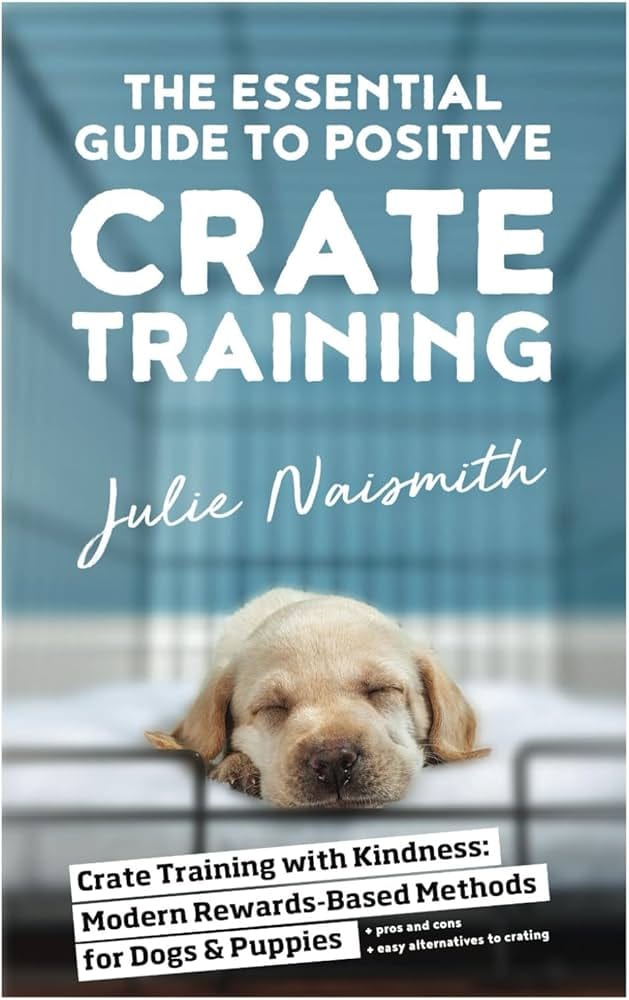
Welcoming a new dog into your home is an exciting journey, and for many, that includes crate training. While often associated with puppies, crate training an older dog can be incredibly beneficial, offering them a safe space, aiding in house-training, and providing a sense of security. It’s a process that requires patience and understanding, but the rewards of a well-adjusted, happy canine companion are immense. This guide will walk you through the steps to successfully crate train an older dog, ensuring it’s a positive experience for both of you.
Understanding the Benefits of Crate Training for Older Dogs
Crate training isn’t about punishment; it’s about providing a den-like sanctuary for your dog. For older dogs, especially those adopted from shelters or who may have had less stable pasts, a crate can offer a predictable and secure environment. This can significantly reduce anxiety and stress, particularly during times of change or when left alone. A properly introduced crate can become a dog’s favorite retreat, a place they associate with safety and comfort. Beyond emotional benefits, a crate is an invaluable tool for house-training, preventing accidents by tapping into a dog’s natural instinct not to soil their sleeping area. It can also aid in recovery from surgery or injury, limiting movement and ensuring a safe space for healing.
Preparing for Success: Setting Up the Crate
The first step in how to crate train an older dog is choosing the right crate and setting it up for success. Opt for a wire or plastic crate that is large enough for your dog to stand up, turn around, and lie down comfortably, but not so large that they can relegate one end to a potty area. If you have a large crate for a smaller dog, consider using a divider to adjust the space as they become more accustomed to it.
Place the crate in a communal area of your home, like the living room, especially during the initial stages. This allows your dog to feel included and less isolated. Make the inside of the crate inviting:
- Comfortable Bedding: Use soft, washable bedding that mimics a cozy den. Avoid anything too bulky that could be a chewing hazard.
- Familiar Scent: If possible, add a blanket or toy that carries your dog’s familiar scent, or one that smells like their previous home.
- Water: For short periods, water might not be necessary, but for longer durations, a spill-proof water bowl attached to the crate is a good idea.
- Chew Toys: Introduce safe, durable chew toys to keep your dog engaged and to associate the crate with positive activities.
Remember, the crate should always be a positive space. Never force your dog into the crate, and avoid using it for punishment. This approach is crucial when you’re learning how do you crate train an older dog.
Step-by-Step Crate Training: A Gradual Approach
Patience is key when crate training an older dog. Rushing the process can lead to anxiety and setbacks. Here’s a gradual approach to introduce your dog to their new space:
1. Positive Association
Begin by leaving the crate door open and allowing your dog to explore it at their own pace. Toss treats or favorite toys near the entrance, gradually tossing them further inside. When your dog willingly enters the crate to retrieve them, praise them enthusiastically. This helps build a positive association with the crate without any pressure. This is a foundational step in crate training older dogs.
2. Short, Positive Sessions
Once your dog is comfortable entering the crate voluntarily, start closing the door for very short periods – just a few seconds initially. Offer a high-value treat or a favorite chew toy as soon as the door is closed. Then, immediately open the door and let them out. Gradually increase the duration the door is closed, always keeping sessions short and positive. If your dog shows any signs of distress (whining, barking, scratching), you’ve increased the time too quickly. Go back to a shorter duration where they were comfortable.
3. Feeding Meals in the Crate
Another effective technique is to feed your dog their meals inside the crate. Start by placing the food bowl just inside the open door, then gradually move it further back towards the end of the crate as your dog becomes more comfortable. This reinforces the idea that the crate is a rewarding place associated with a primary need – food.
4. Gradual Increase in Alone Time
Once your dog is comfortable being in the crate with the door closed for several minutes while you are present, you can begin to extend the time they spend alone in the crate. Start with very short absences, perhaps just stepping out of the room for a minute or two. Gradually increase this duration. Always return before your dog becomes distressed. This helps them learn that you will always come back and that being in the crate alone is safe. This is an important part of how to crate train an older dog at night.
5. Introducing Overnight Crate Training
When your dog is consistently comfortable spending short periods alone in the crate during the day, you can try having them sleep in the crate overnight. Place the crate near your bed initially, so they can hear and smell you, which can be comforting. If they whine, resist the urge to immediately let them out. Wait for a brief pause in their vocalizations before opening the door. This teaches them that quiet behavior is what earns them freedom. Consistency is key here, as it is with can i crate train an older dog.
Addressing Common Challenges in Crate Training Older Dogs
While the goal is a smooth transition, some common challenges can arise when you crate train an older dog. Recognizing these and having strategies to address them is crucial.
- Whining and Barking: This is often the most common issue. It’s important to differentiate between attention-seeking whining and genuine distress. If it’s attention-seeking, wait for a brief moment of quiet before responding. If it’s distress, the duration in the crate is likely too long, and you need to backtrack. Never punish barking or whining in the crate, as this will create negative associations.
- Refusal to Enter the Crate: If your dog consistently refuses to enter, revisit the positive association phase. Make the crate even more enticing with irresistible treats or a new, exciting toy that they only get when in the crate. Ensure the crate itself is comfortable and inviting.
- Accidents in the Crate: This usually indicates the crate is too large or that your dog has been left in the crate for too long. If it’s a house-training issue, ensure you are taking your dog out frequently. Clean up accidents thoroughly with an enzymatic cleaner to eliminate odors that might encourage repeat offenses.
- Anxiety or Destructive Behavior: Some dogs, especially those with a history of separation anxiety, may become overly anxious or destructive in the crate. In severe cases, professional help from a veterinarian or a certified animal behaviorist may be necessary. In milder cases, continuing with slow, gradual introductions and ensuring the crate is a positive space can help.
crate training for older dogs requires a tailored approach, and it’s essential to be observant of your dog’s body language and adjust the training plan accordingly.
Expert Tips for Crate Training Success
To further enhance your efforts in how to crate train an older dog, consider these expert tips:
- Consistency is Paramount: Everyone in the household needs to be on the same page regarding the training rules and schedule. Inconsistent responses can confuse your dog and hinder progress.
- High-Value Rewards: Use treats or toys that your dog absolutely loves and only receives during crate training sessions. This creates a strong positive reinforcement.
- Exercise Before Training: Ensure your dog has had adequate physical and mental exercise before training sessions. A tired dog is generally more relaxed and receptive to training.
- Never Use the Crate for Punishment: This cannot be stressed enough. The crate must remain a safe haven. Punishing your dog in or near the crate will destroy the positive association and create fear.
- Listen to Your Dog: Pay close attention to your dog’s signals. If they are showing significant stress, fear, or avoidance, it’s a sign to slow down or reassess your approach.
- Consult Professionals: If you encounter persistent problems or suspect underlying behavioral issues like separation anxiety, don’t hesitate to seek guidance from a veterinarian or a certified professional dog trainer. They can offer personalized advice and solutions.
By implementing these strategies, you can help your older dog adjust to their crate positively, transforming it into a cherished part of their routine and enhancing their overall well-being.
Conclusion: Embracing the Journey of Crate Training
Crate training an older dog is a rewarding endeavor that deepens the bond between you and your canine companion. It offers a structured and secure environment, aids in house-training, and can significantly reduce anxiety. Remember that every dog is an individual, and the timeline for successful crate training can vary. By approaching the process with patience, consistency, and positive reinforcement, you can help your older dog embrace their crate as their own special den, contributing to a happier and more harmonious life together. Your commitment to understanding and meeting their needs will forge a stronger connection, proving that it’s never too late to learn new habits, especially when done with love and care.
