
Bringing a new dog into your home is an exciting time, and establishing good habits early on is crucial for a harmonious life together. One of the most effective methods for housetraining your canine companion is crate training. This technique, when done correctly, not only aids in potty training but also provides your dog with a safe and secure den of their own. Let’s dive into How To Crate Train A Dog For Potty Training, ensuring a positive and successful experience for both you and your furry friend.
The Science Behind Crate Training for Potty Training
Dogs are naturally clean animals and, by instinct, try to avoid soiling their den. A crate, when introduced properly, becomes that den. The crate is not meant to be a place of punishment, but rather a comfortable sanctuary. By confining your dog to a crate for short periods, especially when unsupervised, you leverage their natural instinct to keep their sleeping area clean. This encourages them to “hold it” until they are let out into a designated potty area. Understanding this fundamental principle is key to successful crate training and potty training.
Choosing the Right Crate for Your Dog
Selecting the appropriate crate is the first step. The crate should be just large enough for your dog to stand up, turn around, and lie down comfortably. If the crate is too large, your dog might use one end as a potty area and the other as a sleeping space, defeating the purpose of housetraining.
- For puppies: You might need a crate that can be divided. As your puppy grows, you can adjust the divider to enlarge the space. This ensures the crate remains the right size throughout their development.
- Material: Wire crates offer good ventilation and visibility, while plastic or molded crates can feel more den-like and secure. Choose based on your dog’s personality and your home environment.
- Comfort: Make the crate inviting by adding soft bedding, a favorite toy, or a chew. Never force your dog into the crate; always associate it with positive experiences.
Step-by-Step Guide to Crate Training for Potty Training
Success in crate training for potty training relies on consistency, patience, and positive reinforcement. Here’s a breakdown of the process:
1. Introduction to the Crate
- Make it Appealing: Leave the crate door open and place treats, toys, or a favorite blanket inside. Let your dog explore it at their own pace.
- Feeding Time: Start feeding your dog their meals inside or near the crate. This associates the crate with something positive.
- Short Durations: Begin by encouraging your dog to go inside for very short periods (a few minutes) while you are present. Reward them with praise and a small treat when they are calm inside. Gradually increase the duration.
2. Establishing a Potty Routine
Consistency is paramount when establishing a potty routine.
- First Thing in the Morning: Take your dog directly from the crate to their designated potty spot outside.
- After Naps and Playtime: Any time your dog wakes up from a nap or finishes a play session, it’s time to go outside.
- After Meals and Treats: Dogs typically need to eliminate within 15-30 minutes after eating or drinking.
- Before Bedtime: A final potty break before settling down for the night is essential.
- During the Night (for puppies): Young puppies may need to be taken out during the night. Set an alarm to wake yourself up for these potty breaks.
3. Potty Breaks and Accidents
- Take Them Out Frequently: Especially in the initial stages, take your dog out very often. For puppies, this could be every 1-2 hours.
- Designated Potty Spot: Always take your dog to the same spot outside. The scent will encourage them to go.
- Praise and Reward: When your dog successfully eliminates in the designated spot, offer immediate and enthusiastic praise and a high-value treat. This positive reinforcement is crucial.
- Handling Accidents: Accidents will happen. If you catch your dog in the act, calmly interrupt them with a sound and immediately take them outside. If you find a mess later, do not punish your dog. Simply clean it up thoroughly with an enzymatic cleaner to eliminate odors that might attract them back to the same spot. Punishment after the fact will only make your dog fearful of you and the crate.
4. Crate Time Management
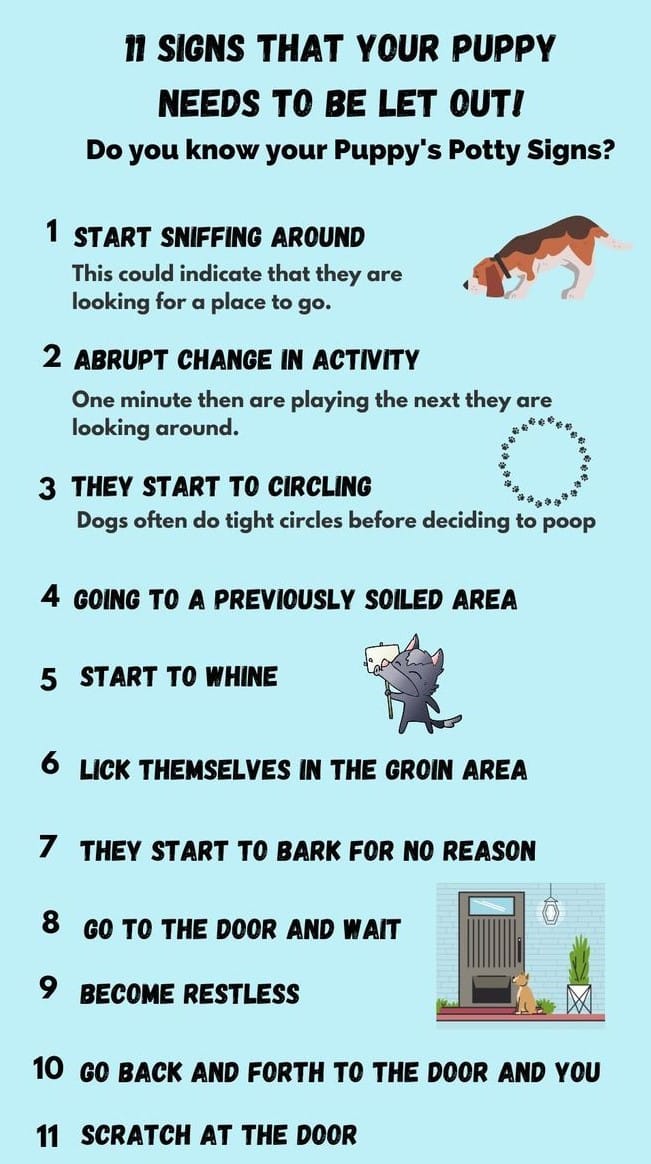
- Supervised Freedom: When your dog is not in the crate, supervise them closely. This allows you to identify signs that they need to go outside and prevent accidents.
- Gradual Increase: Slowly increase the amount of time your dog spends in the crate. Start with short periods while you are home and gradually extend the time, eventually including times when you leave the house.
- Nighttime Crate Training: For nighttime, place the crate near your bed initially. This allows you to hear if your dog needs to go out. As they become more reliable, you can move the crate further away or to their permanent spot.
Common Challenges and Solutions
- Whining or Barking in the Crate: This is often a sign of anxiety or a need to go potty. First, rule out the need to eliminate. If they don’t need to go, try to ignore the whining if it’s attention-seeking. Reward them with praise and a treat when they are quiet. Distraction with a safe chew toy can also help.
- Refusal to Enter the Crate: Make the crate more inviting. Toss treats near the entrance, then inside. You can also try feeding meals near the crate. Never force your dog in.
- Destructive Behavior in the Crate: Ensure the crate is the correct size and that your dog is not left in for too long. Provide appropriate chew toys. Rule out separation anxiety or boredom. If destruction occurs, it might be a sign they are not quite ready for that duration of confinement.
- Soiling the Crate: This is a common issue, especially if the crate is too large, or if the dog was left for too long. Ensure the crate is appropriately sized and that potty breaks are frequent. Clean accidents thoroughly with an enzymatic cleaner. For persistent soiling, consult with a veterinarian or a professional dog trainer.
Tips for Success
- Patience is Key: Every dog learns at a different pace. Be patient and celebrate small victories.
- Consistency: Stick to a consistent schedule for feeding, potty breaks, and crate time.
- Positive Reinforcement: Always use rewards, praise, and gentle guidance. Avoid punishment.
- Exercise and Mental Stimulation: A tired dog is a good dog. Ensure your dog gets enough physical exercise and mental stimulation outside of crate time. This can reduce anxiety and destructive behaviors.
- Socialization: Proper socialization can help build confidence, which is essential for successful training.
What is the role of a crate in dog potty training?
The crate plays a crucial role by leveraging a dog’s natural instinct to keep their den clean. By confining your dog to the crate, they are less likely to eliminate indoors, encouraging them to hold it until they are taken outside to their designated potty area.
How long should a puppy be in a crate for potty training?
For puppies, the general rule is that they can hold their bladder for about as many hours as they are months old, plus one. For example, a 3-month-old puppy can typically hold it for about 4 hours. However, for successful potty training, it’s best to take them out much more frequently, especially after waking, eating, and playing.
Can crate training cause anxiety in dogs?
Crate training can cause anxiety if it’s not introduced properly or if the dog is left in the crate for too long. It’s essential to make the crate a positive experience, starting with short periods and ensuring the dog has access to water and frequent potty breaks. If your dog shows extreme distress, consult a professional trainer or veterinarian.
The Long-Term Benefits of Crate Training
Beyond potty training, crate training offers numerous benefits. It provides a safe haven for your dog, helps prevent destructive behavior when you’re away, aids in travel, and can be invaluable during a dog’s recovery from surgery or injury. A well-trained dog who is comfortable in their crate is often a more confident and well-adjusted companion. Embracing the process of how to crate train a dog for potty training is an investment in a happier, more peaceful life with your dog. Remember that patience, consistency, and positive reinforcement are your greatest allies in this journey.
