
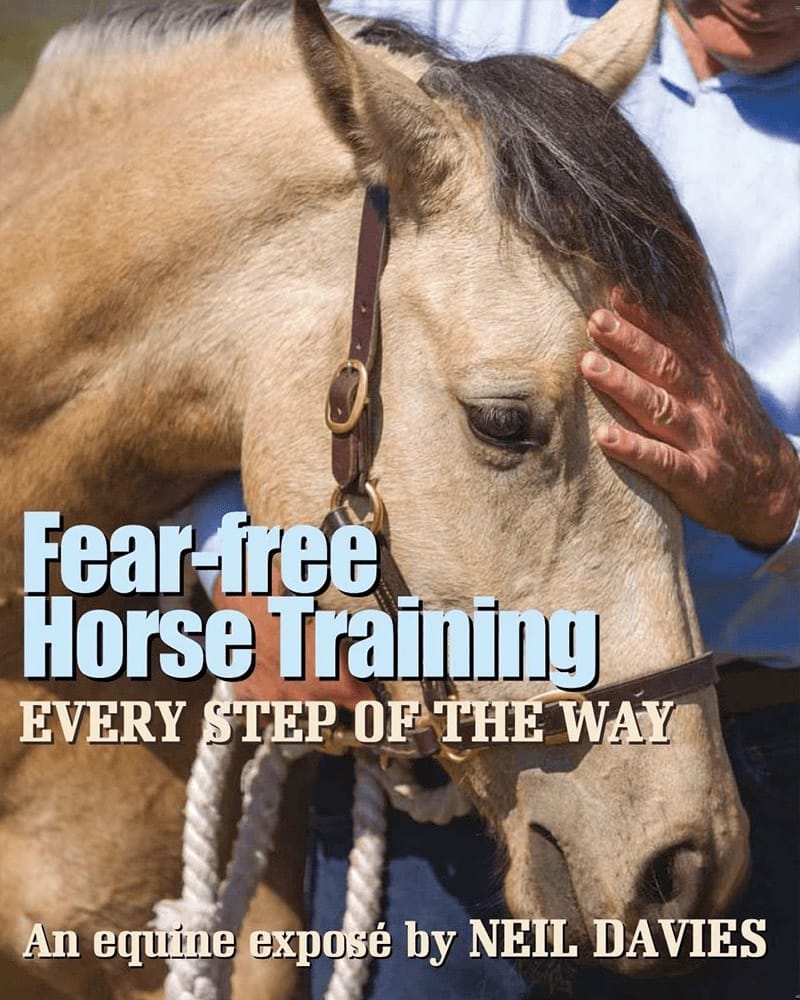
The image of a horse trainer—a figure of quiet confidence, communicating with a thousand-pound animal in a language of subtle cues—is a powerful one. For many equestrians, it’s the ultimate career goal. But the path to becoming a respected and successful professional is less about movie magic and more about grit, dedication, and an unquenchable thirst for knowledge. If you’re wondering how to become a horse trainer, you’re not just asking about a job; you’re asking how to step into a lifestyle that demands everything you have and rewards you in ways few other professions can. This guide will walk you through the essential steps, skills, and realities of building a career in horse training.
The journey is a marathon, not a sprint, and it begins with a solid foundation. One common misconception is that being a great rider automatically makes you a great trainer. While riding ability is crucial, it’s only one piece of a much larger puzzle. A successful trainer is a master of equine psychology, a patient teacher, a savvy business owner, and an excellent communicator—with both horses and humans. Understanding complex behaviors, like in the guide on how to train a horse not to kick, is just as important as perfecting your seat in the saddle.
What Does a Horse Trainer Actually Do?
Before diving into the “how,” it’s vital to understand the “what.” The role of a horse trainer extends far beyond the arena. While schooling horses—whether it’s starting a young colt under saddle, refining a dressage test, or tuning up a show jumper—is the core function, a typical day is packed with a wide array of responsibilities.
A trainer’s day often starts before sunrise and ends long after sunset. The responsibilities include:
- Daily Care: This is the bedrock of horsemanship. Trainers are often responsible for feeding, mucking out stalls, turning horses out, and ensuring each animal’s basic needs are met. This hands-on care provides invaluable insights into a horse’s health and temperament.
- Health Management: You’ll be the first line of defense in spotting health issues. This means conducting daily wellness checks, recognizing signs of lameness or colic, administering basic medications, and communicating effectively with veterinarians and farriers.
- Client Communication: Very few trainers work in a vacuum. Most train horses for clients, which requires constant, clear, and professional communication. You’ll provide progress updates, discuss training goals, manage expectations, and teach owners how to handle and ride their own horses.
- Business Operations: Unless you work for a large operation, you are your own boss. This involves marketing your services, managing finances, scheduling, billing clients, and maintaining facilities.
- Logistics and Travel: For competing trainers, this includes managing show entries, arranging transportation, and ensuring horses are prepared for the rigors of travel and competition.
The reality is that you will spend as much time on the ground, with a pitchfork or a lead rope in your hand, as you do in the saddle.
Essential Skills Every Aspiring Horse Trainer Needs
To succeed in this demanding field, you need to cultivate a diverse skill set that balances horsemanship with practical and interpersonal abilities. This is where you separate the amateurs from the professionals.
Foundational Horsemanship Skills
This is non-negotiable. You must possess a deep understanding of horses from the ground up.
- Riding Proficiency: You need to be more than just a passenger. A trainer must have an independent seat, soft hands, and a balanced position that allows them to influence the horse subtly and effectively. Your riding should be a tool for teaching, not just for staying on.
- Understanding Equine Behavior: Why does a horse spook? What does a swishing tail signify? You must be able to read equine body language fluently. This allows you to anticipate reactions, understand fear or confusion, and build a training program that works with the horse’s mind, not against it.
- Patience and Empathy: Horses learn at different paces. A trainer cannot have a short temper. You must be able to remain calm and patient, even when a horse is struggling with a concept. Empathy is key to understanding why a horse is resistant and finding a solution.
Physical and Mental Stamina
Horse training is not a desk job. It’s physically demanding, requiring you to lift heavy saddles, handle powerful animals, and spend hours on your feet in all weather conditions. Mentally, it can be just as tough. You’ll face training plateaus, difficult horses, challenging clients, and the emotional toll of dealing with injuries or setbacks. Resilience is paramount.
As equine behavior specialist Dr. Sarah Miller often says, “Becoming a great horse trainer isn’t just about technique; it’s about becoming a student of the horse. You must learn their language, understand their psychology, and build a partnership based on trust, not dominance. The best trainers are perpetual learners.”
Communication and People Skills
This is the skill that many aspiring trainers overlook. You can be the most talented horseman in the world, but if you can’t communicate with people, your business will fail. You must be able to explain complex training concepts to novice owners, tactfully navigate disagreements about a horse’s progress, and build a rapport that fosters trust and repeat business.
The Path to Becoming a Horse Trainer: A Step-by-Step Guide
There is no single, linear path to becoming a professional trainer. However, most successful careers are built on a similar progression of experience, education, and networking.
Step 1: Gain Hands-On Experience
This is the most critical step. You need to immerse yourself in the horse world and absorb every piece of knowledge you can.
- Work as a Groom or Stable Hand: Start at the bottom. Muck stalls, groom horses, and learn the day-to-day rhythm of a professional barn. You will learn more by observing and doing than you ever will from a book. You’ll learn to recognize different types of feed, spot the first signs of colic, and handle dozens of different horse personalities.
- Become a Working Student: This is a fantastic way to trade your time and labor for lessons and experience. A working student position offers an inside look at a trainer’s program. You’ll be involved in everything from tacking up horses to cooling them down, and you’ll get invaluable saddle time and instruction.
Step 2: Pursue Formal Education (Optional but Recommended)
While a college degree is not a strict requirement, it can provide a significant advantage. Programs in Equine Science, Animal Science, or Equine Business Management offer deep knowledge in areas like anatomy, physiology, nutrition, and business practices. Certifying bodies like the Certified Horsemanship Association (CHA) or breed-specific organizations also offer structured programs that can bolster your credibility.
Step 3: Find a Mentor or Apprenticeship
This is where you truly learn the craft. Find a respected, established trainer whose philosophy aligns with yours and commit to learning from them. An apprenticeship is more than just a series of lessons; it’s about absorbing a way of thinking. You’ll learn how to problem-solve, how to structure a training session, and how to develop a young horse from the ground up. Watching masters, such as those in Pat Parelli horse training videos, can provide insight, but nothing replaces in-person mentorship. Great trainers, from modern champions like Dan Blacker horse trainer to legends in their field, all had mentors who shaped their careers.
Step 4: Choose Your Specialization
The horse world is vast. Do you want to train racehorses, three-day eventers, reining horses, or dressage mounts? Each discipline requires a specific skill set and knowledge base. Spend time exploring different disciplines to find where your passion and talent lie. Your choice will dictate your career path, the type of clients you attract, and the equipment you use, from jumping saddles to a training bosal for horses. Some trainers, like the successful Paulo Lobo horse trainer, focus intensely on one discipline like thoroughbred racing to reach the top of their field.
Step 5: Build Your Network and Reputation
Your reputation is your most valuable asset. Build it carefully.
- Compete: If your discipline involves competition, get in the show ring. Success in competition is a powerful marketing tool that validates your skills.
- Network: Attend clinics, seminars, and industry events. Build relationships with veterinarians, farriers, breeders, and other trainers. These connections will become your source of referrals.
- Start Small: Begin by taking on a few training clients. You might start by “tuning up” lesson horses or helping friends with their green-broke mounts. Do excellent work, be professional, and let word-of-mouth build your business.
How Long Does It Take to Become a Horse Trainer?
There is no graduation date. Becoming a proficient horse trainer is a lifelong journey. Most respected professionals will tell you they spent at least a decade working under other trainers, absorbing knowledge, and honing their skills before they felt confident enough to start their own business. Be prepared to invest the time. Rushing the process will only lead to gaps in your knowledge and a shaky foundation for your career.
Frequently Asked Questions (FAQ)
How do I become a horse trainer with no experience?
You start from the ground up. Seek out opportunities to volunteer at a local stable, offer to help with barn chores in exchange for handling time, and take riding lessons. Be humble, eager to learn, and willing to do the dirty work. Every professional started somewhere.
Do you need a formal degree to be a horse trainer?
No, a degree is not a strict requirement, and many world-class trainers do not have one. However, a degree in an equine-related field can provide a strong theoretical foundation in areas like equine health and business, which is a significant asset.
Can you make a good living as a horse trainer?
Yes, but it is not easy. A trainer’s income can vary dramatically based on location, reputation, specialization, and business acumen. Top-level trainers in Olympic disciplines or racing can earn six figures, but most trainers make a more modest living. Success depends on your ability to attract and retain clients and manage your finances effectively.
What are the biggest challenges of being a horse trainer?
The biggest challenges often include the physical demands of the job, the long hours, the financial instability (especially when starting out), and the emotional stress of dealing with difficult horses or client conflicts. It requires a high level of passion and resilience to overcome these hurdles.
What’s more important: natural talent or hard work?
While a certain “feel” for horses is a huge advantage, it is useless without relentless hard work. A less “talented” but incredibly dedicated, hardworking, and educated individual will almost always surpass a talented but lazy one. Hard work, study, and dedication are the true cornerstones of a successful training career.
Your Journey Starts Now
Embarking on the path to how to become a horse trainer is a commitment to a life of continuous learning. It is a career that will test your patience, your body, and your spirit. But for those who are truly called to it, the reward of building a relationship of trust and understanding with these magnificent animals is unparalleled. Start by getting your hands dirty, find mentors who inspire you, and never, ever stop being a student of the horse. Your journey to equine excellence begins with that first step into the barn.
