
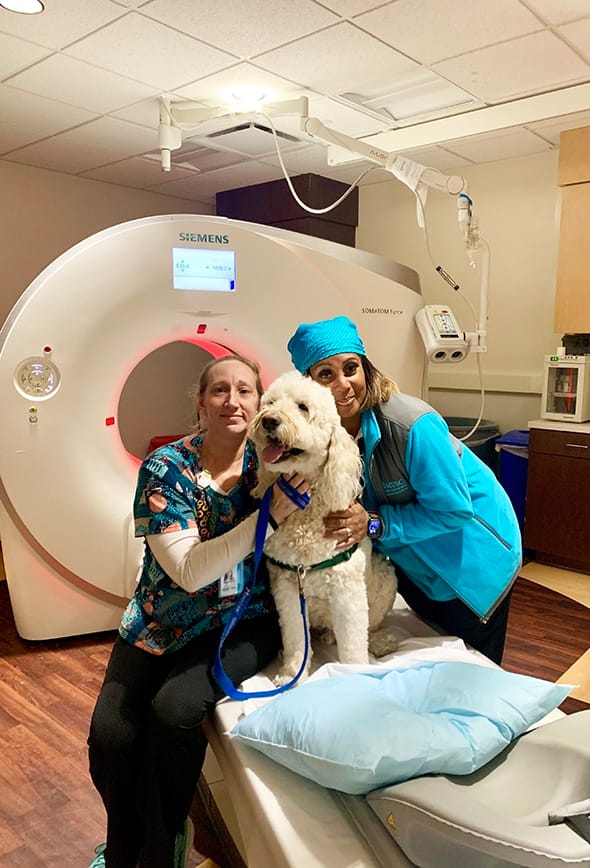
Embarking on a journey to become a therapy dog trainer is a deeply fulfilling endeavor, blending a passion for animals with a desire to make a positive impact on people’s lives. Therapy dogs offer comfort, support, and joy to individuals in various settings, from hospitals and nursing homes to schools and disaster-stricken areas. If you’re considering this rewarding career, understanding the path, requirements, and dedication involved is crucial. This guide will walk you through what it takes to become a certified therapy dog trainer, offering insights into the skills, knowledge, and practical steps needed to succeed.
Understanding Therapy Dogs and Their Role
Therapy dogs are specially trained canines who provide a unique form of emotional and psychological support to people experiencing distress, illness, or loneliness. Unlike service dogs, which are trained to perform specific tasks for individuals with disabilities, therapy dogs offer comfort and companionship through their presence and gentle demeanor. Their ability to connect with humans on an emotional level makes them invaluable in therapeutic settings. The bond between a handler and a therapy dog is built on trust, mutual understanding, and extensive training.
The Essential Qualities of a Therapy Dog Trainer
A successful therapy dog trainer possesses a unique blend of skills and personal attributes. Foremost is a profound love and deep understanding of dogs, coupled with patience and empathy. The ability to read canine body language is paramount, allowing trainers to anticipate a dog’s needs and reactions. Strong communication skills are essential for working effectively with both the dogs and their human handlers. Furthermore, trainers must have a genuine desire to help others and a commitment to ethical training practices. Understanding canine behavior, learning theory, and positive reinforcement techniques are fundamental.
Key Steps to Becoming a Therapy Dog Trainer
The path to becoming a therapy dog trainer involves several key stages, from foundational knowledge to practical experience and certification.
1. Gain Foundational Knowledge in Dog Training
Before specializing in therapy dog training, it’s vital to build a solid understanding of general dog training principles. This includes:
- Canine Behavior: Learning about a dog’s natural behaviors, social structures, and communication signals.
- Learning Theory: Understanding how dogs learn, including classical and operant conditioning.
- Positive Reinforcement: Mastering techniques that use rewards to encourage desired behaviors, which is crucial for therapy dog training.
- Basic Obedience: Ensuring proficiency in commands such as sit, stay, come, down, and leash manners.
Consider enrolling in introductory dog training courses or workshops. Many organizations offer certifications for basic obedience trainers, which can be a great starting point.
2. Acquire Hands-On Experience with Dogs
Practical experience is irreplaceable. Spend time working with a variety of dogs, if possible. This could involve:
- Volunteering: Offer your time at local animal shelters, rescues, or doggy daycares. This exposes you to different breeds, temperaments, and behavioral challenges.
- Assisting a Trainer: Apprentice or assist an experienced dog trainer, ideally one with experience in therapy dog training. This provides invaluable mentorship and real-world insights.
- Owning and Training Dogs: If you own dogs, actively engage in training them using positive methods. Document your progress and learn from your experiences.
This hands-on experience will hone your skills in handling, understanding, and shaping canine behavior.
3. Specialize in Therapy Dog Training
Once you have a strong foundation, focus on the specific requirements for therapy dog training. This involves understanding:
- Temperament Assessment: Identifying dogs with the right temperament for therapy work – calm, friendly, adaptable, and not easily startled.
- Advanced Obedience and Socialization: Training dogs to remain calm and focused in distracting environments, interact gently with strangers, and tolerate various stimuli (loud noises, crowds, medical equipment).
- Specific Skills: Teaching dogs to be comfortable with petting, to offer comfort through nudging or leaning, and to respond reliably to handlers even in stressful situations.
- Handler-Dog Team Training: Crucially, therapy dog training is about creating a cohesive team. You’ll learn to train the human handlers to understand their dog’s cues and manage them effectively in therapeutic settings.
You can learn more about train service dogs for veterans to understand how specialized training adapts to specific needs, which is a parallel skill set in advanced canine training.
4. Seek Professional Certification
While not always legally mandated, certification from a reputable therapy dog organization is highly recommended. It validates your expertise, demonstrates your commitment to high standards, and builds trust with clients and facilities. Some well-regarded organizations include:
- Therapy Dogs International (TDI)
- Pet Partners
- Alliance of Therapy Dogs (ATD)
These organizations typically require:
- Handler Application and Screening: Demonstrating your understanding of therapy dog work and your ability to handle a dog appropriately.
- Dog Health and Vaccination Records: Ensuring the dog is healthy and up-to-date on vaccinations.
- Temperament Evaluation: Assessing the dog’s suitability for therapy work.
- Obedience and Facility Simulation Tests: Evaluating the dog’s ability to perform commands and remain calm in simulated real-world scenarios (e.g., interacting with strangers, navigating medical equipment, tolerating loud noises).
- Handler Skills Assessment: Evaluating the handler’s ability to manage their dog effectively.
Preparing for these tests often involves specific training programs or workshops. If you’re looking for a dog trainer in Phoenix AZ, you might find local trainers who offer preparatory classes.
5. Consider Advanced Training and Specializations
The field of therapy dog training is continually evolving. Consider pursuing further education or specializations, such as:
- Canine Behavior Specialist: Deepen your understanding of complex behavioral issues.
- Specific Settings Training: Focus on training dogs for particular environments, like pediatric wards, adult daycares, or schools.
- Advanced Obedience and Trick Training: Enhancing a dog’s repertoire can add value to therapy sessions.
Understanding the nuances of different breeds can also be beneficial. For example, a dog trainer for Pitbulls would need a specialized approach to address common misconceptions and focus on their potential for gentle therapy work.
The Business Side of Therapy Dog Training
Many therapy dog trainers operate independently or as part of a training facility. If you plan to start your own business, consider:
- Business Planning: Develop a solid business plan outlining your services, target market, pricing, and marketing strategies.
- Legal and Insurance: Register your business, obtain necessary licenses, and secure liability insurance.
- Marketing: Create a professional website, utilize social media, network with healthcare professionals, and attend community events to promote your services. Understanding the service dog trainer salary can help you set competitive pricing.
- Continuing Education: Stay updated on the latest training techniques, research, and best practices in the field.
The journey to become a service dog trainer, while distinct, shares many foundational training principles with therapy dog work, emphasizing the importance of continuous learning in animal behavior and training.
Challenges and Rewards
Becoming a therapy dog trainer is not without its challenges. It requires significant time, dedication, and emotional resilience. You’ll encounter dogs with various behavioral issues and handlers who may need substantial guidance. However, the rewards are immense. Witnessing the positive impact a well-trained therapy dog has on an individual’s well-being is incredibly gratifying. The human-animal bond is a powerful force, and as a trainer, you play a vital role in fostering it for the benefit of others.
Frequently Asked Questions (FAQ)
Q1: What is the average salary for a therapy dog trainer?
A: Salaries can vary widely based on experience, location, whether you work for an organization or independently, and the specific services you offer. Independent trainers may earn more but also bear greater business expenses.
Q2: How long does it take to train a dog to become a therapy dog?
A: The time commitment varies depending on the dog’s age, temperament, prior training, and the intensity of the program. Typically, it can take several months to over a year of consistent training and socialization.
Q3: Can any dog become a therapy dog?
A: While many breeds can excel as therapy dogs, the dog’s individual temperament is the most critical factor. They must be naturally calm, friendly, gentle, and adaptable to different environments and people.
Q4: What are the main differences between a therapy dog and a service dog?
A: Service dogs are trained to perform specific tasks for individuals with disabilities and have legal access rights. Therapy dogs provide comfort and emotional support in various settings but do not have the same public access rights as service dogs.
Q5: What are the most important traits for a therapy dog?
A: Key traits include a calm and stable temperament, friendliness towards strangers, adaptability to new situations, confidence, and a desire to interact positively with people.
Q6: Do I need to be a certified dog trainer to train therapy dogs?
A: While not always a strict legal requirement, certification from a reputable therapy dog organization is highly recommended and often required by facilities. It demonstrates your competence and commitment to ethical training standards.
Conclusion
The path to becoming a therapy dog trainer is a journey of continuous learning, dedication, and passion. By building a strong foundation in dog behavior and training, gaining practical experience, specializing in therapy dog work, and seeking professional certification, you can embark on a profoundly rewarding career. The ability to facilitate the incredible bond between humans and therapy dogs, bringing comfort and joy to those in need, is a privilege and a testament to the power of canine companionship. Embark on this fulfilling career and become a pivotal part of the “Dog Care Story” by enriching lives, one wagging tail at a time.
