
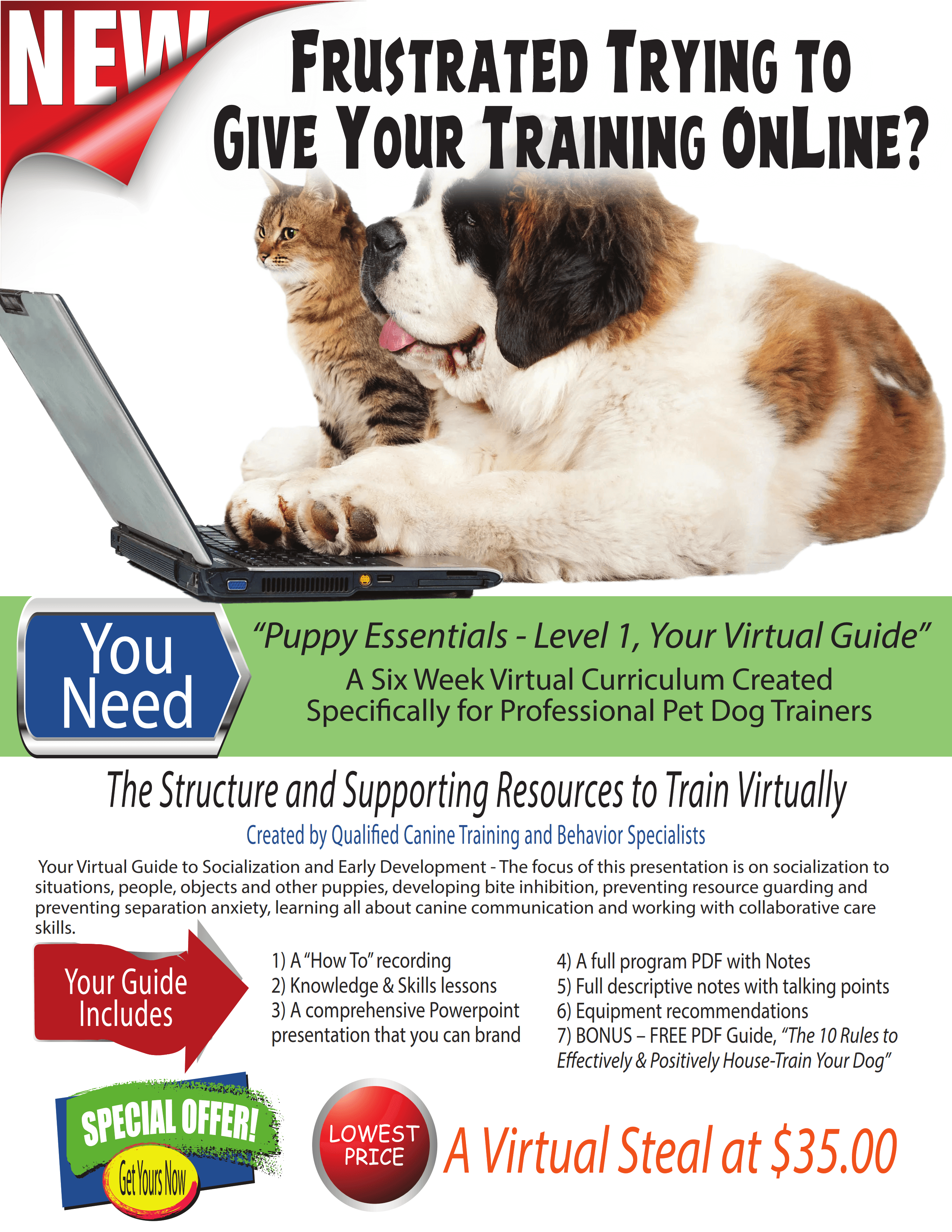
Dreaming of a career where your passion for canines translates into a rewarding profession? Becoming a certified dog trainer is an achievable and fulfilling path. In today’s digital age, the convenience of online learning opens doors for aspiring trainers like never before, offering flexible and accessible routes to certification. This guide will walk you through everything you need to know about How To Become A Certified Dog Trainer Online, from understanding the role to choosing the right program and launching your career.
The world of dog training is constantly evolving, with a growing demand for skilled professionals who understand modern, science-based training methods. Online certification programs provide a structured curriculum, expert guidance, and the credentials needed to establish credibility in this dynamic field. Whether you envision working with pet owners in their homes, teaching group classes, or specializing in behavior modification, obtaining a certification is a crucial first step.
Why Choose an Online Certification for Dog Training?
Opting for an online certification offers numerous advantages, particularly for those juggling existing commitments or seeking a flexible learning environment. The traditional classroom setting isn’t always feasible, and online programs bridge this gap effectively.
Flexibility and Convenience
Online courses allow you to study at your own pace, fitting lessons around your work schedule, family life, or other responsibilities. You can access course materials, lectures, and assignments from anywhere with an internet connection, eliminating the need for relocation or lengthy commutes. This flexibility is invaluable for busy individuals eager to transition into a new career without major life disruptions.
Accessibility to Top Programs
The internet has democratized education, allowing you to access high-quality training programs from reputable institutions worldwide, regardless of your geographic location. This means you’re not limited to local schools and can choose a program that best aligns with your career goals and learning style.
Cost-Effectiveness
Online programs often come with lower tuition fees compared to traditional brick-and-mortar schools. Furthermore, you save on costs associated with commuting, accommodation, and campus-related expenses, making certification a more financially viable option.
Comprehensive Curriculum
Reputable online dog trainer certification programs offer robust curricula covering essential topics. These typically include canine behavior, learning theory, ethology, various training methodologies (positive reinforcement, clicker training), breed characteristics, common behavioral problems, and business management for trainers.
Understanding the Role of a Certified Dog Trainer
A certified dog trainer is more than just someone who teaches dogs tricks. They are educators, behavior consultants, and problem-solvers who work with dogs and their owners to foster strong, positive relationships. Their expertise lies in understanding canine behavior and applying effective training techniques to address a wide range of needs.
Key Responsibilities:
- Behavior Assessment: Evaluating a dog’s behavior, temperament, and potential issues.
- Training Plan Development: Creating customized training plans tailored to the dog’s needs and the owner’s goals.
- Instruction and Guidance: Teaching owners effective training techniques and reinforcing positive behaviors.
- Problem-Solving: Addressing common behavioral issues such as excessive barking, jumping, leash pulling, house-soiling, and separation anxiety.
- Socialization Guidance: Educating owners on the importance of socialization and how to facilitate it safely.
- Continuing Education: Staying updated on the latest research, techniques, and best practices in canine behavior and training.
What to Look for in an Online Dog Trainer Certification Program
Not all online programs are created equal. When selecting a program, it’s essential to research thoroughly to ensure it meets your needs and provides a recognized and respected certification.
Accreditation and Reputation
Look for programs accredited by recognized organizations in the animal behavior and training field. While formal accreditation can be complex in this industry, strong affiliations with professional bodies and positive reviews from graduates are good indicators of quality. Research the instructors and their credentials; experienced, certified professionals lend significant credibility to a program.
Curriculum Depth and Breadth
Ensure the program covers a comprehensive range of topics, including:
- Canine Ethology and Behavior: Understanding why dogs do what they do.
- Learning Theory: How dogs learn (classical and operant conditioning).
- Training Techniques: Mastery of positive reinforcement methods, clicker training, and marker signals.
- Common Behavioral Problems: Diagnosis and treatment strategies for issues like aggression, fear, anxiety, and phobias.
- Breed-Specific Knowledge: Understanding how breed traits can influence behavior and training.
- Canine Health and Nutrition: Basic knowledge relevant to behavior and training.
- Ethics and Professionalism: Understanding the responsibilities and ethical considerations of being a dog trainer.
- Business Skills: Marketing, client management, and running a training business.
Practical Application and Mentorship
A good online program won’t just be theoretical. It should include opportunities for practical application, such as case studies, video analysis of dog behavior, and supervised training exercises. Some programs offer mentorship or hands-on components, which are invaluable for developing real-world skills. For instance, seeking out programs that allow for practical experience, perhaps even in conjunction with obedience training classes for dogs near me, can be highly beneficial.
Certification Requirements
Understand the requirements for obtaining the certification. This typically includes completing all coursework, passing exams (written and potentially practical), and sometimes logging a certain number of training hours.
Steps to Becoming a Certified Dog Trainer Online
Embarking on this journey involves several key steps:
Step 1: Self-Assessment and Goal Setting
Reflect on your motivations for becoming a dog trainer. What are your long-term career aspirations? Do you want to open your own business, work for an existing company, or specialize in a particular area like puppy training or behavior modification? Understanding your goals will help you choose the right program and specialization. Consider if you are interested in paths like online therapy dog training.
Step 2: Research and Select an Online Program
Based on your goals and the criteria mentioned above, research various online certification programs. Read reviews, compare curricula, and investigate instructor credentials. Programs like those offered by reputable organizations often provide a solid foundation. If you are looking into specific training companies, researching entities such as the great lakes dog training company might offer insights into different training philosophies.
Step 3: Enroll and Complete Coursework
Once you’ve chosen a program, enroll and commit to the coursework. Dedicate regular study time, engage with the material, and don’t hesitate to reach out to instructors or support staff with questions. Active participation is key to maximizing your learning experience.
Step 4: Gain Practical Experience
While online programs offer theoretical knowledge, hands-on experience is indispensable. Volunteer at a local animal shelter, assist an experienced trainer, or work with friends and family’s dogs. This practical exposure will solidify your learning and build your confidence. Learning how do you become a dog trainer often involves accumulating practical hours.
Step 5: Pass Certification Exams
Upon completing the coursework, you’ll need to pass the program’s examinations. These tests are designed to assess your understanding of canine behavior, training principles, and practical application.
Step 6: Obtain Your Certification and Start Your Career
After successfully passing the exams and fulfilling all program requirements, you’ll receive your certification. With this credential, you are ready to embark on your career as a professional dog trainer. Consider how you want to offer your services, whether it’s through local options like in-home dog training near me.
Essential Skills for a Successful Dog Trainer
Beyond formal certification, certain innate qualities and developed skills are crucial for success in this profession.
- Patience: Training takes time, and dogs learn at different paces. Patience is paramount.
- Empathy: Understanding the dog’s perspective and the owner’s challenges is vital for effective communication and problem-solving.
- Communication Skills: Clearly explaining training concepts, providing feedback, and motivating clients are essential.
- Observation Skills: Keenly observing canine body language and behavior patterns to understand their needs and reactions.
- Problem-Solving Aptitude: Developing creative and effective solutions for diverse behavioral issues.
- Passion for Animals: A genuine love for dogs is the driving force behind a successful and fulfilling career.
The Future of Dog Training and Your Role
The field of dog training is increasingly recognizing the importance of humane, science-based methods. Positive reinforcement techniques, which focus on rewarding desired behaviors, are widely regarded as the most effective and ethical approach. As a certified trainer, you’ll be equipped with the knowledge to advocate for these methods and help build stronger bonds between dogs and their families.
The demand for qualified dog trainers continues to grow as more people seek to understand and properly care for their canine companions. By pursuing an online certification, you are investing in a future filled with rewarding interactions, continuous learning, and the satisfaction of making a real difference in the lives of dogs and their owners. Your journey to becoming a certified dog trainer online is an exciting step towards a profession that is both personally enriching and professionally valuable.
